





















The “Guinea pig” archetype
Cultural context
The guinea pig comes from the Andes, where people domesticated it thousands of years ago and have never quite let it out of the house. In South American households it lives near the hearth, whistling when footsteps approach, nibbling whatever greenery lands in front of it, and multiplying with a cheerfulness nobody has managed to discourage. For Andean families it is both a companion and a source of food, and its place indoors makes it a quiet emblem of plenty: a warm room, a full bowl, a crowd of small ones squeaking underfoot. Nobody pictures this animal in a hurry. The tradition prizes what it embodies, a life of modest comforts handed down unchanged, where abundance means enough for everyone and nobody is made to run.
Scales
Seen through the old Andean lens, the guinea pig is a bundle of agreeable contradictions. Its endurance is real: it shrugs off cold, stays lively and keeps going long after more dramatic animals have tired. Yet its relationship with order is anarchic. Deadlines, tidy schedules and good intentions drift away like hay in a draught, because carelessness comes to it more naturally than discipline. Honesty and modesty run deep; it does not scheme, brag or grab more than its share, and fairness matters to it. Gentleness and tolerance make it pleasant company, and its feelings sit close to the surface, so another creature's mood is picked up almost at once. It leans toward closeness and pairing, enjoys a game for its own sake, will surrender a treat for someone it loves, and keeps faith with old routines. Curiosity about anything new lives alongside all that. Among crowds, though, it turns reserved, and it has a stubborn streak: pressure from the group only makes it dig in.
Strong traits
Fertility, generosity and softness make up the warmest layer of this character. Ideas, projects and fresh possibilities pour out of the guinea pig like litters, and it hands them round freely, along with its time, its food and its attention. The trouble is arithmetic: it promises ten things at once and rarely counts what is left for itself, so giving can slide into emptying out. Its gentleness works like a cushion in a quarrel, calming voices and smoothing the mood, and it senses what others feel before they say it. The price is that such a creature finds it hard to refuse, hard to hold a position and quite easy to take advantage of.
Noticeable traits
Laziness here is a gift as much as a flaw. The guinea pig knows how to lie down, loosen up and truly recover, slowing its pace to an unhurried rustle. The risk begins when rest turns into a hiding place and "just five more minutes" lasts until evening. Only the creature itself can tell a real recharge from simple dodging, and it helps to ask what exactly is being restored.
How to be around
Living alongside a guinea pig goes best at a stroll. Match its pace, listen to its schemes with real interest and help it finish one before the next begins. Praise its kindness, and when it starts giving itself away to the last crumb, remind it that it deserves a portion too. A steady tone and a warm room win its trust faster than grand promises or sudden plans.
With a woman
A woman-guinea pig is usually the one who feeds, rescues and organises everyone, so ask what she keeps for herself this week. If she has taken on too much, offer to carry one specific piece: "I'll handle the invitations, you pick the music." That protects her generosity rather than shaming it. Later, put a cup of tea in her hands and let the conversation wander; she opens up most when nothing is being asked of her, and a small, unhurried evening does more than any grand gesture of thanks.
With a man
Routines matter to a man-guinea pig the way cars matter to other men, and teasing him about his comforts only sends him into his shell. Invite him to something low-key and shared, such as cooking a big pot of soup, repairing a shelf or walking the dog, and let his easy warmth show through the doing. If he looks swamped, a plain "what is the one thing I can take off your plate?" works better than advice. He will remember the offer longer than the favour.
With a teenage boy
A teenage boy-guinea pig is still working out who he is, and he often does it by daydreaming, drawing or tinkering. Treat those hours as work rather than waste. Show him two or three directions, say you would be glad to watch him try any of them, and ask a few days later what he liked. His mind stays open, but ridicule from friends shuts it quickly, so be the adult who never joins the laughter when he has a strange idea.
With a teenage girl
A teenage girl-guinea pig feels everything at full volume and hides most of it. Skip the interrogation and leave a note, a snack or a song she might like outside her door. When she does speak, let her reach the end of a sentence before you answer, and name something concrete in what she said instead of offering general reassurance. Her stubborn streak is useful, so back her when she refuses to follow the crowd.
With a child
Play beats questioning with a child-guinea pig, who learns the world through games. Build a shop, a hospital for stuffed animals or a den under the table, and let the child run the whole business. Take the tears seriously, even when the cause is a broken biscuit, and never turn them into a joke at dinner. Share food openly; a child like this notices fairness and remembers it long after the adults forget.
With an animal
An animal-guinea pig, the actual cavy in a cage or a garden run, wants a hideout and a routine it can rely on. Offer greens from your hand, speak in a low voice, and sit on the floor so that you are not a looming shape. Lift it only after it has come to you on its own, and support its whole body when you do. Stay close at feeding time and it will soon whistle for you.
After a quarrel
To quarrel with one of these soft creatures or get under its skin, rush it. It freezes, says nothing, and then sulks for days. The woman is wounded when her care is treated as a duty and nobody notices the effort. The man bristles when he is dragged out of his habits and called lazy in front of others. The teen boy flares up if his half-formed idea is mocked at the table, the teen girl if her feelings are labelled a mood. The child is crushed when a game is cancelled midway or a promise forgotten. And the furry kind takes offence at hands grabbing from above, a banging cage door and the loss of its corner to hide in.
How to befriend
To befriend a cavy or win it over, bring honesty and warmth in equal parts; it trusts those who never trick it and refuse to tally debts. A woman melts when someone asks whether she has eaten and then stays to share the meal. A man warms to a joint project that nobody hurries. A teenage boy respects being asked about his plans as if they were real; a teenage girl loves a joke that only the two of you understand. A small child wants the same story told again in the same voice. With the animal itself, patience works best: a hand holding a slice of cucumber, perfectly still, until the cavy decides to come over.
Similar archetypes
Close facets: images with a similar set of qualities.
- Pelican
- Decorative rabbit
- Quail
- american bighorn
- Sterlet
- East Asian Deer
- Bentheim Black Pied Pig
- Sheep
Complete opposite
The opposite facet: images whose qualities point the other way.
- Human Flea
- Dog Flea
- Oriental Rat Flea
- Hen Flea
- Northern Rat Flea
- chigoe flea
- Hedgehog Flea
- new zealand bat flea
- Martin Flea
- cat flea
- Ceratophyllus farreni
- Chaffinch Flea
- Rabbit Flea
- Mouse Flea
- sticktight flea
- Squirrel Flea
- Sparrow Flea
- Amalaraeus dissimilis
- Northern Flea
- Ceratophyllus chasteli
- Bed bug
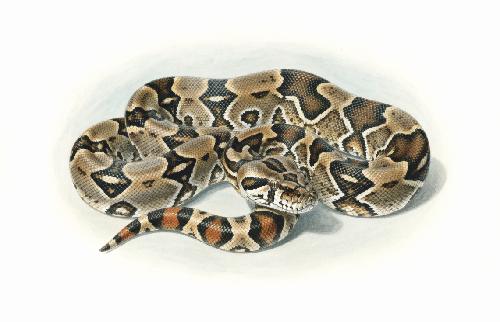
- Boa
- milos viper
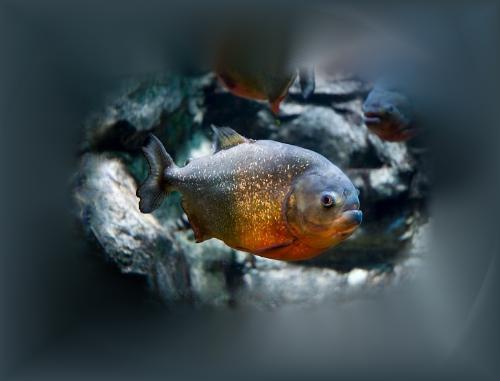
- Piranha
- Horsefly
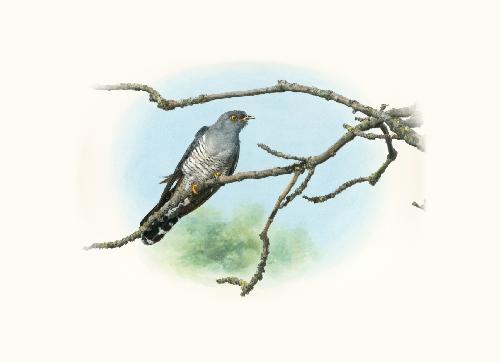
- European Cuckoo
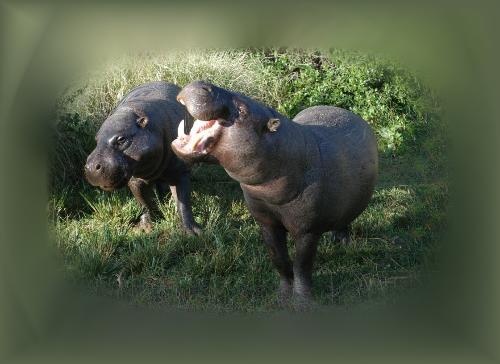
- pygmy hippopotamus
- Golden Jackal
- Black midge
- Thick-tailed midge
Find your most suitable archetypes
Archetypes are facets of personality and behaviour: sometimes a hamster, sometimes a lion. Take a test for yourself, a friend or a pet.