






















The “Sheep” archetype
Cultural context
Few animals are woven as widely into human symbolism as the sheep. African and Indian traditions, Greek and Roman writers, Celtic and Scandinavian tales, Chinese and Persian imagery, Russian folk habit and the Turkic peoples of the Central Asian steppe all keep returning to it, and nearly always as a creature of fertility, plenty and the closeness of the flock. Some tellings lean toward prosperity and peace; others toward submission, restraint and sacrifice offered to higher powers. European heraldry gives it a quieter job, putting the sheep on shields as a sign of honesty and modesty. Whether it appears on a coat of arms, in a sacred text or beside a herder's fire, it keeps the same double face: abundance and calm on one side, obedience and surrender on the other. That mix of comfort and sacrifice is what makes it so easy to recognise, and so hard to describe in a single word.
Scales
Read through those traditions, the sheep is a creature of few demands. It wants no rank or glory, only a warm shoulder in the crowd, and it seems to carry a hint of the sacred, something set apart and not to be touched lightly. Its gentleness and tolerance make it a natural cooperator, and it is drawn to closeness, to pairing and to a quiet search for meaning. Yet it is reserved, a little shallow in its judgements, and seldom the first to speak. Now and then something stubborn stirs in it, a small refusal to be swept along by the group, and that flicker of rebellion is all the more striking against so much softness.
Strong traits
Softness, modesty and purity sit at the centre of the sheep. It steps back so that others can be heard, keeps clear of intrigue and sees little reason to shine, which is lovely to be around and also leaves it exposed to anyone who knows how to take advantage of an open nature. Generosity makes it share its time and goods until nothing is left for itself, and nobody has to ask twice. A weak will lets it drift along with circumstances and skip pointless quarrels, but it often ends up living by other people's decisions and wondering where its own plans went. And a certain foolishness clouds its thinking, instinct crowding out reason, though it does learn from its blunders in the end.
Noticeable traits
Fertility and kindness give the sheep a way of handing out warmth and starting new things, and it often promises more than it can carry. Loyalty to the flock keeps it close to its own and makes it ready to stand in front of them, while bravery flares up when those it loves are in danger, surprising everyone, itself included. Then fear finds an exit, and the sheep slips away to safety. Indecision does the rest: it weighs every option so carefully that the chance has often gone before it chooses.
Muted traits
Stubbornness in a sheep is quiet. It does not argue or make a scene; it simply stays on the path it picked and will not be nudged off it, however gently you try. That steadiness serves it well in hard times, when everyone else wavers, though it makes change slow and other people's views hard to take in. Its quiet loyalty to whatever it once decided outlasts many a louder opinion, and many a clever argument too.
Faint traits
Friendliness is only a faint background note. A sheep will greet a stranger and take the chill out of a room, but it avoids head-on conflict and hungers for approval, so its acquaintances tend to stay light and rather shallow. It is warm with everyone and close to very few, which suits it fine until the day it needs someone to lean on.
How to be around
Underneath its calm, this animal is a study in contrasts: soft yet stubborn, generous yet easily used, loyal to the flock and quietly afraid of standing out. Each age and role below needs a different kind of care, a different word at a different moment.
With a woman
With a woman-ewe, stand beside her when a room turns noisy and she loses her footing, and bring two or three workable options instead of a finished answer. Ask which one feels right to her. When she picks it herself, she takes that as respect and grows steadier.
With a man
A man-ram wants to be believed in. Tell him plainly that you are counting on his help, and hand him one concrete job with a clear deadline. Then step away and let him run it. Knowing he is needed, he holds himself straighter and makes the call on his own.
With a teenage boy
A teenage boy-lamb often goes quiet, and it is not indifference; he is afraid of saying the wrong thing. Sit beside him while you both do something with your hands, like fixing a bike chain, and let him begin the talking. If he trails off midway, simply wait.
With a teenage girl
Hand a teenage girl-lamb a small real task, such as choosing the evening playlist or looking after a younger cousin. Praise the result rather than her nature, and name what exactly she did well. She will feel brave enough to try something bigger next time.
With a child
A child-lamb who has tripped looks around first to see who noticed. Scoop him up and laugh together, then turn the scrape into a game, like jumping again, this time over your cupped hands. Lightness returns faster than tears, and he learns that falling is survivable.
With an animal
An animal-ram hates a rush. Before moving it to a new pen, let it sniff the threshold, set the feed in its usual spot and watch where it walks by itself. Ask it, in effect, what it needs; a hesitant creature wants a minute to choose, and it will go on more steadily afterwards.
After a quarrel
To quarrel with a sheep or get under its skin, demand an instant answer in front of others. It will not shout back. A man-ram bristles at being challenged in public, feeling his standing slip; a woman-ewe sinks into resentment when handed extra chores. A teen boy sulks in silence, a teen girl drops barbed little remarks to cover her hurt, a small child simply cries, and a pet retreats to the farthest corner it can find, ears down, refusing food. None of them will say what is wrong. Whoever mistakes this yielding for weakness will find that trust, once spent, returns very slowly, if it returns at all.
How to befriend
To befriend a sheep or win it over, bring quiet kindness: a treat, a small favour, a nod to the little things it cares about. It values honesty and people who ask nothing in return. With a ram, share a job; with an ewe, notice her reliability and say so; with a teenager, accept the silences; with a lamb of any age, simply keep showing up. A pet ram will trust the hand that returns at the same hour every day, and a ewe in a flock will drift toward the person who sits quietly nearby. Friendship here grows from habit and presence, never from hurry.
Similar archetypes
Close facets: images with a similar set of qualities.
- american bighorn
- Decorative rabbit
- fischer's lovebird
- rosy-faced lovebird
- black-winged lovebird
- yellow-collared lovebird
- grey-headed lovebird
- red-headed lovebird
Complete opposite
The opposite facet: images whose qualities point the other way.
- Bull shark
- Rhinoceros
- Shark
- Seagull
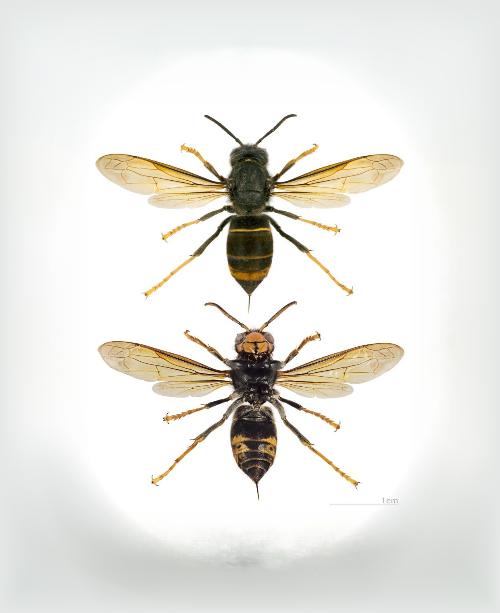
- Wasp
- Eared seal
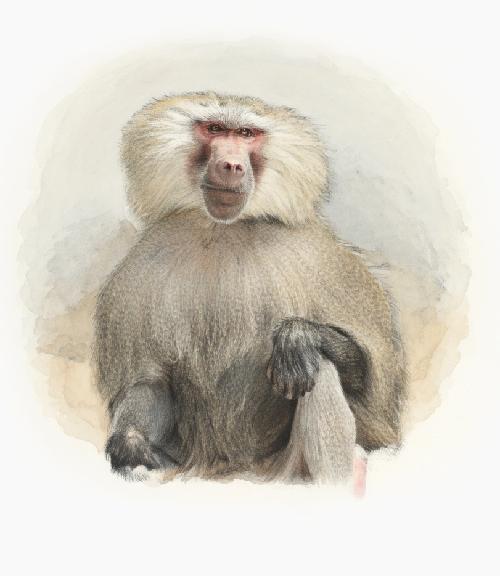
- Hamadryas baboon
- amur tiger
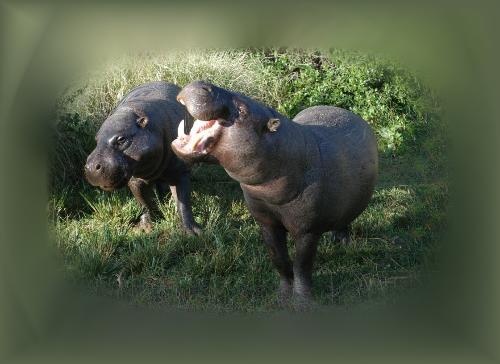
- pygmy hippopotamus
- Wolverine
- Leopard
- Human Flea
- Dog Flea
- Oriental Rat Flea
- Hen Flea
- Northern Rat Flea
- chigoe flea
- Hedgehog Flea
- new zealand bat flea
- Martin Flea
- cat flea
- Ceratophyllus farreni
- Chaffinch Flea
- Rabbit Flea
- Mouse Flea
- sticktight flea
- Squirrel Flea
- Sparrow Flea
- Amalaraeus dissimilis
- Northern Flea
Find your most suitable archetypes
Archetypes are facets of personality and behaviour: sometimes a hamster, sometimes a lion. Take a test for yourself, a friend or a pet.