





















The “common rorqual” archetype
Cultural context
The fin whale's story is bound up with twentieth-century industrial whaling. These enormous animals, long and sleek and among the largest creatures in the sea, were hunted on a scale that treated each carcass as a harvest. Over time they became a double symbol. To some they stood for marine life itself, a size and grace that stirred wonder and fear in the same breath. To others they were a picture of suffering, a gentle giant caught up in human appetite for profit, and a reminder of how small people can make the ocean feel when they decide to take everything it holds.
Scales
Seen through that history, the fin whale lives between two poles. On one side is an acute sensitivity to every shift in the water around it, the kind of attention that notices a change of mood before anyone speaks. On the other is a deep pride in its own nature, a refusal to be diminished. Add a feeling of being tiny against an endless ocean, and a respect for the balance of the sea, and you get a creature that is both enormous and quietly humble, steady in its habits yet always listening for the next storm.
Core traits
Sensitivity and pride are the keel of this character. A fin whale picks up moods the way open water carries sound, which is a gift until stress and emotional overload arrive and wash over it harder than over most. Pride steadies the ship: it keeps boundaries firm, protects self-respect when things get rough, and makes for natural leadership. The price is stubbornness, and sometimes a reluctance to accept help even when it is offered kindly, which can leave close relationships a little out of reach and make an offer of help feel like an insult.
Strong traits
Abundance and generosity make the fin whale feel like a place with room for everyone. It spots possibility in ordinary situations, hands out time and resources freely, and builds a warm atmosphere around itself without trying. The trouble is that it overestimates its own reserves, ignores real limits, and gives until nothing is left. Self-sacrifice comes too easily, so learning to notice its own needs, and to let others carry something in return, is the lesson that keeps all that giving sustainable.
How to be around
Getting along with this ocean giant starts with not treating its sensitivity as a weakness or its pride as a pose. Keep your tone steady, give praise that is specific and honest, and let it see you taking its feelings seriously, even when they seem out of proportion to the occasion. Moods here run deep and change slowly, so a sharp word spoken in passing can echo for days. Once it trusts you, it turns generous and warm, quick to pitch in and to include you in whatever it is building.
With a woman
A woman-fin whale is easiest to reach through small, exact acknowledgments. Tell her which detail she caught that no one else did, and what changed because of it. Then bring up a plan you would like to make together, a trip, a project, a dinner for friends, since she comes alive in company. If she goes quiet after a hard day, a note left on her desk will do more than a long conversation.
With a man
Notice how much a man-fin whale carries without being asked, and offer to take one piece of it off his hands. He is honest and modest, so flattery falls flat; a plain statement such as "that was fair of you" lands better. When he digs in over a decision, ask him to walk you through his reasoning rather than arguing against it.
With a teenage boy
A teenage boy-fin whale resists being swept along with the crowd, and that stubborn streak deserves backing. When he says he would rather skip the party or pick another team, hear him out before offering an opinion. Let him choose his own project for the weekend, and ask to see the result afterwards, with real curiosity rather than a verdict. Boys like this can sulk for days over a joke at their expense, so keep your teasing gentle.
With a teenage girl
A teenage girl-fin whale will say yes to everyone and exhaust herself. Show her, through how you handle your own calendar, that declining a request can be kind. Ask which favours she actually wants to do, and help her draft a friendly refusal for the rest. Praise her for the moment she protects her own evening, not only for the times she rescues somebody else's.
With a child
A child-fin whale will share a snack or a toy without a second thought, so make sure someone shares back. Say thank you out loud, give something small in return, and let the child watch you do the same for others. Sitting beside him while he draws what upset him, and listening to his explanation of every wave and creature, often opens him up more than direct questions.
With an animal
An animal-fin whale, whether a pet with a big appetite for company or a creature met on a boat, is built for endurance. Give it long, rhythmic exercise, a wide space to range in, and then a hushed corner afterwards. Sudden noise and changes in routine hit it like weather, so introduce new places and people slowly, and let it come to you.
After a quarrel
To quarrel with this whale or get under its skin, make light of its sensitivity, bruise its pride, and quietly hand it everyone else's work. Women bristle when their intuitions are called overreactions, and a man cannot bear to see his honest effort claimed by someone else. A teenage boy will explode if his choices are overruled in front of his friends, while a teenage girl cools toward anyone who treats her kindness as owed. A child shuts down when his drawing is laughed at, and an animal rebels against loud, crowded days with nowhere to retreat. In every case the giant does not shout back; it simply dives, and the depth it retreats to can take months to cross.
How to befriend
To befriend one or win it over, be sincere, and let closeness arrive at its own pace. It trusts those who recognise its depth. Offer a woman your attention to the details she notices. Give a man an unembellished thank-you for what he has done. Let a teenage boy hold an unpopular opinion without a lecture. Give a teenage girl a day off in which nobody asks her for anything. Play a game with a child where giving and receiving stay even, and sit near an animal for a quiet hour, so your calm becomes familiar. Above all, keep promises, however small; to a creature that remembers everything, reliability is the nearest thing to a love letter.
Similar archetypes
Close facets: images with a similar set of qualities.
- brown big-eared bat
- particolored bat
- whiskered bat
- noctule
- daubentons bat
- greater horseshoe bat
- pond bat
- lesser horseshoe bat
Complete opposite
The opposite facet: images whose qualities point the other way.
- Golden Jackal
- Human Flea
- Dog Flea
- Oriental Rat Flea
- Hen Flea
- Northern Rat Flea
- chigoe flea
- Hedgehog Flea
- new zealand bat flea
- Martin Flea
- cat flea
- Ceratophyllus farreni
- Chaffinch Flea
- Rabbit Flea
- Mouse Flea
- sticktight flea
- Squirrel Flea
- Sparrow Flea
- Amalaraeus dissimilis
- Northern Flea
- Ceratophyllus chasteli
- Bed bug
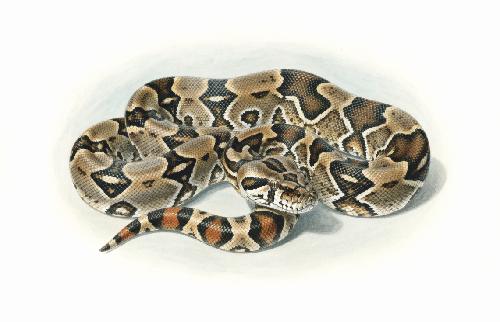
- Boa
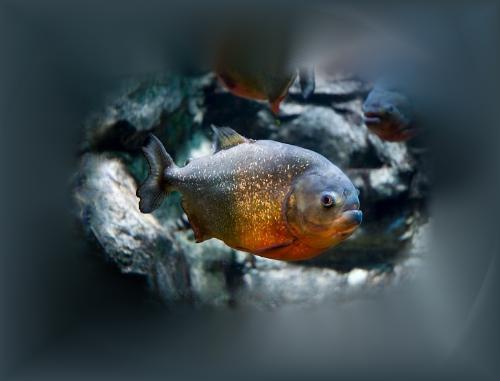
- Piranha
- Horsefly
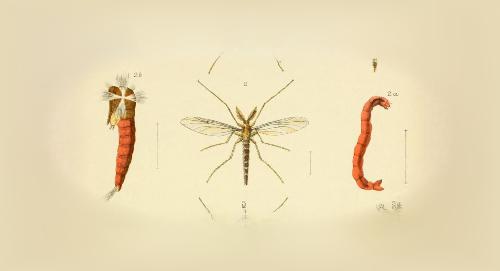
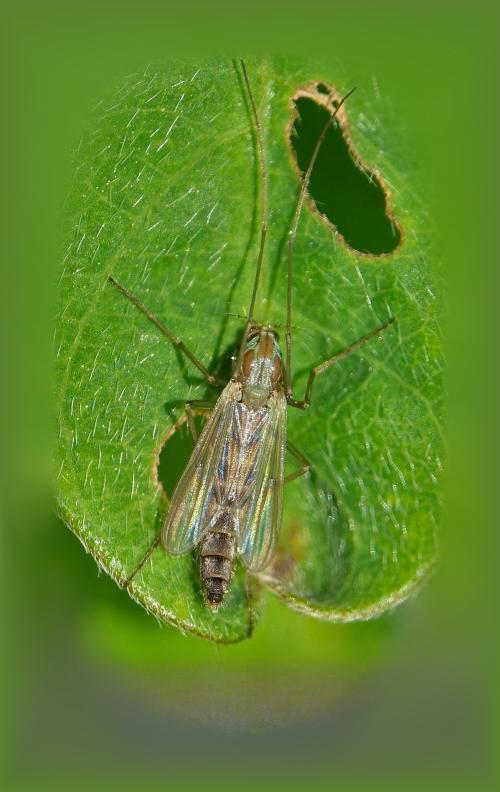
- Black midge
- Thick-tailed midge
- New Zealand midge
- Yoshimatsu's midge
- Dorsal midge
Traits and their opposites
Each trait of this archetype — and what is opposite to it.
- Sensitivity ↔ Callousness
Find your most suitable archetypes
Archetypes are facets of personality and behaviour: sometimes a hamster, sometimes a lion. Take a test for yourself, a friend or a pet.