






















The “🫏” archetype
Cultural context
Across European heraldic banners the donkey steps with lowered head, yet carries the weight of banners itself. In Indian temple friezes it stands near Ganesha, the remover of obstacles, its small hoofprints marking every path the god has cleared. Celtic farm tales remember its bray as a charm for spring barley, while Mongol caravans relied on its steady tread across salt flats. Persian miniature gardens show the animal drinking calmly beneath flowering trees, and Japanese scrolls praise its back for hauling shrine timber. From the Russian steppes to Turkic yurt circles, the donkey remains the beast that never refuses the next load, its silhouette stitched into the memory of every wandering people.
Scales
Tradition reads the donkey as a creature whose prestige grows from the loads it accepts rather than the titles it claims. Its stamina lets it cross long ridges at dusk when horses already rest. It prefers a mate’s company to solitary wandering, yet its inner compass bends more toward endurance than idle affection. The search for meaning appears in the quiet way it pauses at a ridge to watch the sky, while playfulness surfaces in sudden kicks at twilight. Its body carries strength without show, its mind favors steady order over reckless discovery, and its sense of duty keeps it returning to the same path, the same gate, the same evening bell.
Core traits
Energy runs through the donkey like water through a millrace: it begins each new task with brisk steps and bright ears, pulling the cart before the driver finishes the harness. The same current can vanish at midday, leaving half-finished rows and scattered tools, yet the animal will return at dusk to finish what it started, ears flicking at every distant call.
Strong traits
Honesty sounds in the donkey’s unsoftened bray that announces every arrival; loyalty shows when it stands beside a fallen handler through a night of rain. Labor keeps its shoulders scarred yet straight, while authority appears in the way it shoulders smaller beasts aside at the trough. Courage lets it face the cliff path, dominance in the lifted head that quiets the herd. Resilience returns it to the same steep track after every fall, pride glints in the refusal of an ill-fitting halter, and kindness is the gentle nudge that guides a stumbling foal back to the line.
Noticeable traits
Fertility shows in the donkey’s readiness to shoulder yet another basket, wisdom in the pause that chooses the firmer stone, recklessness in the sudden leap across a crumbling ledge. Independence keeps it grazing apart from the herd at noon, stubbornness in the locked knees that refuse the steepest slope until the driver yields.
Muted traits
Cowardice flickers when the donkey freezes at the edge of shadow, rudeness in the quick nip that ends an unwanted advance, and a touch of dullness when it mistakes the same gate for a new path and must be turned again.
How to be around
Approach the donkey by matching its pace rather than forcing your own; let it finish its thought before you offer the next load, the way a seasoned drover waits for the creak of the harness to settle before tightening another strap.
With a woman
When a woman carries the donkey’s quick spark, she begins every project with bright momentum, yet may scatter her focus before the final stitch. Offer her a steady hand only when she signals fatigue; otherwise stand back while she tests the new loom herself. She may freeze at the edge of an untried risk, so do not press her forward. Her words arrive plain, sometimes sharp; receive them without offense, for they clear the air faster than any polished phrase. She also keeps one eye on rank, and a public word of respect for her standing will steady her more than any private compliment.
With a man
A man who shares the donkey’s straight tongue will tell you the load is too heavy long before it breaks the axle. Let him name the route; any correction offered mid-step only locks his knees. He values the steady companion who arrives at dusk without fanfare, yet he may miss the softer signals of affection unless they are spoken plainly. His mind sometimes lingers on old habits, so place the new idea beside the familiar one rather than in its place. When he grows uncertain, a quiet resource offered without comment helps more than advice.
With a teenage boy
A teenage boy bound to the donkey’s loyalty will guard an old promise long after it costs him sleep. Give him room to choose the next ridge, then walk beside him rather than ahead. His body answers every challenge with tireless legs, but he may turn away from counsel that feels like a bridle. When tempers rise, a shared task under open sky cools him faster than any lecture.
With a teenage girl
A teenage girl who carries the donkey’s patient labor will keep stitching long after the lamp dims. Praise the line she has already drawn rather than the pattern she has not yet reached. She sometimes leaps toward an untested dream; steady her with one practical tool instead of a list of cautions. She seeks meaning in small rituals, so let her light the evening candle before you speak of tomorrow’s plan.
With a child
A child who echoes the donkey’s instinct to lead will line up pebbles into a miniature caravan and expect the others to follow. Offer a new cart only after asking which hill they wish to climb. Their play is solemn, their rules exact; join the game rather than rewrite it. When they pause to watch an ant cross the path, wait with them; the story they are shaping matters more than the next step.
With an animal
An animal that meets danger with lifted head still needs a shaded corner where no hand reaches. Place water within reach, then step away; it will drink when the yard is quiet. Its strength shows in the straight line it keeps to the gate, its modesty in the lowered ears when praise grows loud. Let the evening pass without new commands, and the same animal will greet you at first light ready for the next measured mile.
After a quarrel
The donkey’s quarrel begins when another voice claims the trail it has already chosen. A woman feels crowded when her careful list is overwritten by someone else’s haste. A man hardens when his plain refusal is dressed up as hesitation. A teenage boy answers with locked knees if his word is laughed at before his friends. A teenage girl withdraws when her finished task is judged by a standard she never accepted. A child stamps when a toy is lifted mid-game. The animal itself swings its head and shows teeth if a stranger blocks the only shaded track.
How to befriend
Friendship with the donkey grows from the shared rhythm of return: the same gate, the same hour, the same quiet greeting. A woman remembers the friend who brings an extra rope without being asked. A man warms to the companion who simply walks the ridge beside him, speaking only when the view changes. A teenage boy keeps faith with the one who waits at the bottom of the climb. A teenage girl trusts the listener who notices the small repair she made to the harness. A child draws closer to the adult who lets the pebble-caravan pass without rearrangement. The animal itself will rest its chin on the rail when the same hand appears each evening without new demands.
Similar archetypes
Close facets: images with a similar set of qualities.
Complete opposite
The opposite facet: images whose qualities point the other way.
- Black widow spider
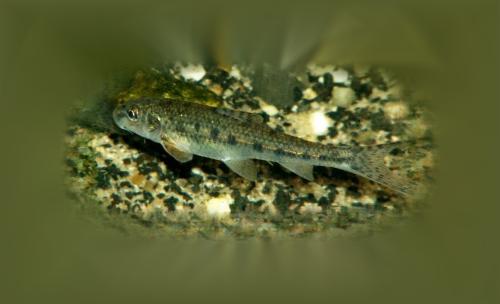
- Gudgeon
- Human Flea
- Dog Flea
- Oriental Rat Flea
- Hen Flea
- Northern Rat Flea
- chigoe flea
- Hedgehog Flea
- new zealand bat flea
- Martin Flea
- cat flea
- Ceratophyllus farreni
- Chaffinch Flea
- Rabbit Flea
- Mouse Flea
- sticktight flea
- Squirrel Flea
- Sparrow Flea
- Amalaraeus dissimilis
- Northern Flea
- Ceratophyllus chasteli
- wild boar
- somali ostrich
- Bed bug
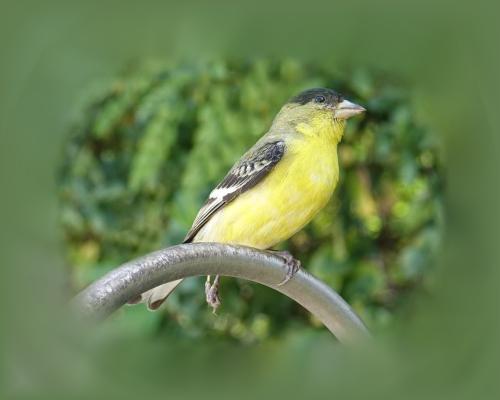
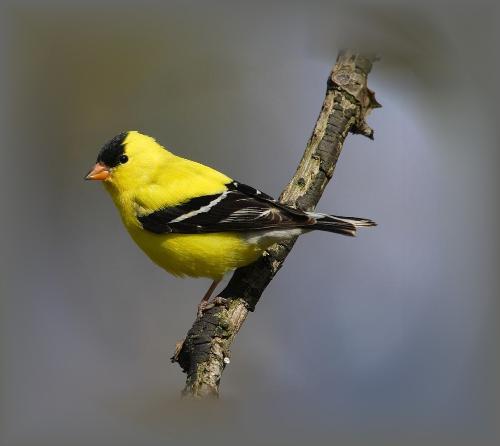
- eurasian siskin
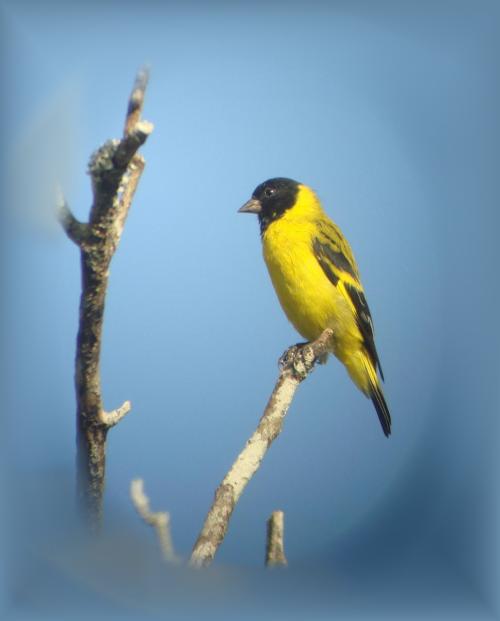
- Black-headed Siskin
- olivaceous siskin
- eurasian siskin
- eurasian siskin
Find your most suitable archetypes
Archetypes are facets of personality and behaviour: sometimes a hamster, sometimes a lion. Take a test for yourself, a friend or a pet.