





















The “persian onager” archetype
Cultural context
Across European crests and Persian tiles, through Central Asian saddle-bags and the silk banners of China, the Persian onager has long been drawn as the traveller who outlasts thirst and wind. Nomads counted its swift hooves as the emblem of a life that never yields its path, while Japanese scrolls caught the same stride in ink that never smudges. In Mongolian oral song the animal crosses horizons alone, and Celtic shields still keep its silhouette as the sign of freedom that neither rope nor crown can tether.
Scales
Tradition reads the onager through prestige that it earns by hard travel and by the endurance it carries inside its ribs; the same eye sees the creature pull away when anyone tries to lead it by a halter. Its stride tells of stamina more than caution, of a body that keeps moving when the sand is hot. The animal rarely lingers over yesterday’s customs, yet every new ridge is examined before it is crossed, and its mind measures risk with a quick, exact glance. It stays within the herd when order is needed, but slips aside the moment that order begins to press too closely.
Core traits
Vitality runs through the Persian onager the way dawn runs across dunes: sudden, bright, impossible to hold back. The creature meets every new stretch of desert with lifted head and ready sinew, yet the same energy can scatter if the horizon offers no fresh challenge. Its hooves strike once, twice, then still; the spark is already leaping toward the next ridge, leaving yesterday’s tracks to cool behind it.
Strong traits
Honesty, loyalty, diligence, dominance, courage, resilience, pride and kindness move through the onager in one unbroken line. Its call cuts clean across the plain, never softened for comfort. Once it has accepted a companion it keeps pace even when the wind turns bitter, finishing the march it began. When the herd scatters it steps forward without waiting for permission, yet it circles back to gather the stragglers rather than leave them to the dark. After every fall it shakes dust from its hide and sets off again, never begging for the help it refuses to ask.
Noticeable traits
Fertility, wisdom, recklessness, independence and stubbornness appear together like five shadows cast by a single body. The onager shares its strength generously, foals running at its flank, yet it will shoulder one burden too many rather than admit the load is full. It learns from each ridge and each dry well, though the lesson sometimes arrives only after it has already leapt. When a new track opens it takes it alone, and once its mind is set no rope will turn the head aside.
Muted traits
Cowardice, rudeness and stupidity touch the animal only as passing gusts. It may freeze at the lip of an unseen gully, ears flat, before the next stride carries it across. Its voice can snap like a whip when patience runs thin, and now and then it charges down a slope it has not measured, learning the cost only at the bottom.
How to be around
To stand beside the Persian onager you must match its pace without trying to set it. Offer water when the throat is dry; do not demand the reason for every halt. The animal will stay close only as long as the path remains its own.
With a woman
A woman keeps her eyes on the next rise and rarely pauses to count the stones already passed. When her step quickens, place a waterskin within reach and say nothing about the dust on her shoulders. If she hesitates at an open stretch of sand, do not press; the caution is her own compass. Speak plainly when you answer her questions, for any extra courtesy sounds like a detour she has no time to follow. Her stride may tire before the light fades, yet she will not ask for rest until the task is done.
With a man
A man states his direction once and expects the listener to remember it. When he speaks, match the same plain tone; any added softness reads to him as doubt. He will walk a straight line across loose gravel even when a safer curve lies visible, and only later will he admit the shortcut cost more time than it saved. Give him room to choose the ford, then walk beside him without suggesting a second look at the map.
With a teenage boy
A teenage boy tests every fence before he accepts it as boundary. He will stay with a friend through a long night watch, then vanish at dawn if the same friend tries to plan the next hour. Let him carry the heavier pack for the first stretch; he measures his own strength by what he refuses to set down. When he argues a route, listen to the argument rather than the volume, for the quarrel is his way of claiming the horizon as still his own.
With a teenage girl
A teenage girl moves with measured steps that hide how far she has already travelled. She will finish a task long after others have stopped, then wonder why her hands shake when the work is done. Offer a shaded place to sit without naming the reason; she accepts help only when it arrives without announcement. If she turns toward an unmarked trail at dusk, do not call her back; the choice is part of the meaning she is still learning to read.
With a child
A child arranges sticks into a circle and declares the space a camp that must not be crossed. Inside that circle every pebble has its place, and any stranger who steps inside without greeting is met with a stare that weighs intent before it offers welcome. Let the child name the rules of the game; the order satisfies a need that play alone cannot fill. When the circle is finally broken for supper, the same child will gather the sticks again tomorrow exactly where the last ray of light touched them.
With an animal
An animal lifts its head at any shift in the wind and places each hoof only after the ground has answered. It will share a patch of shade with another onager yet keep a body-length between them, the distance itself a form of courtesy. When a foal presses too close the adult steps aside without rebuke, leaving the young one room to learn the same measured space. Offer grain in an open palm and wait; the animal decides the moment it will accept the gift.
After a quarrel
The Persian onager meets conflict when its lead is questioned or its circle is entered without leave. A woman answers with silence that lengthens until the questioner steps back. A man meets contradiction with a flat stare and a single sentence that ends discussion. A teenage boy raises his voice only after he has already turned away. A teenage girl withdraws her gaze and her help at the same moment. A child overturns the arranged sticks and begins a new circle elsewhere. An animal stamps once, ears pinned, then wheels and leaves the fence line broken.
How to befriend
Friendship with the Persian onager is built on repeated, wordless returns. After every setback the animal resumes the same trail; stay beside it without comment and the distance between you shortens by one hoofbeat. A woman remembers who waited at the last dry well. A man accepts company only after you have walked the same ridge without offering a shorter route. A teenage boy keeps pace longer when you carry your own load. A teenage girl speaks of tomorrow only after you have shared today’s silence. A child invites you inside the circle of sticks once you have waited for the invitation. An animal lowers its head to drink from the same shallow basin when your hand remains still.
Similar archetypes
Close facets: images with a similar set of qualities.
Complete opposite
The opposite facet: images whose qualities point the other way.
- Black widow spider
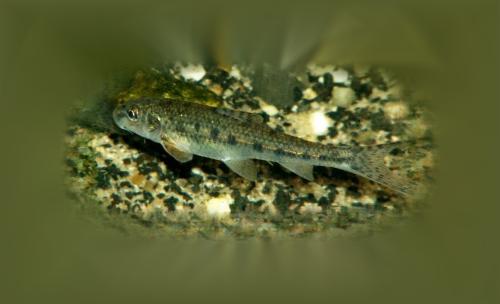
- Gudgeon
- Human Flea
- Dog Flea
- Oriental Rat Flea
- Hen Flea
- Northern Rat Flea
- chigoe flea
- Hedgehog Flea
- new zealand bat flea
- Martin Flea
- cat flea
- Ceratophyllus farreni
- Chaffinch Flea
- Rabbit Flea
- Mouse Flea
- sticktight flea
- Squirrel Flea
- Sparrow Flea
- Amalaraeus dissimilis
- Northern Flea
- Ceratophyllus chasteli
- wild boar
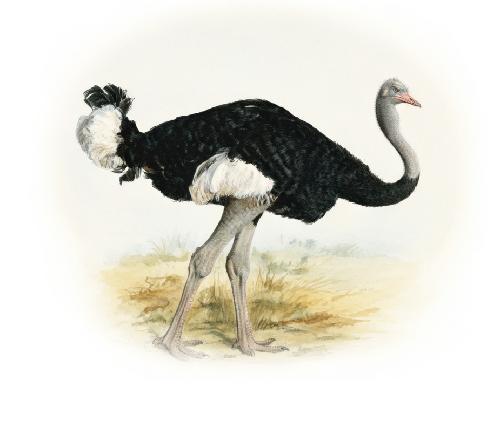
- somali ostrich
- Bed bug
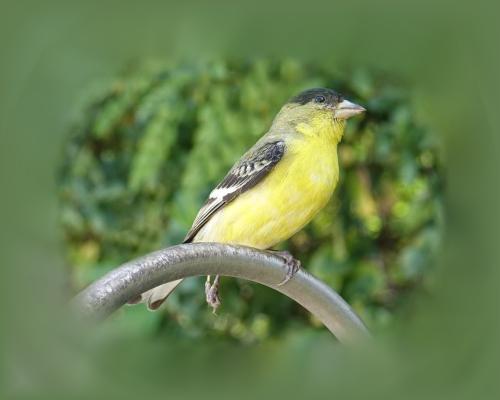
- eurasian siskin
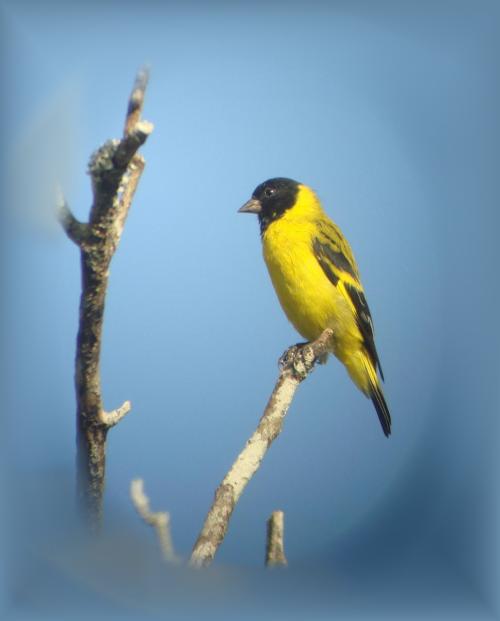
- Black-headed Siskin
- olivaceous siskin
- eurasian siskin
- eurasian siskin
Find your most suitable archetypes
Archetypes are facets of personality and behaviour: sometimes a hamster, sometimes a lion. Take a test for yourself, a friend or a pet.