






















The “khur” archetype
Cultural context
European heraldry, Persian miniatures, Mongolian lore, Turkic epics and steppe songs all give the asian wild ass a place of honour. Knights blazon its lithe figure on shields, Persian artists show it pacing through salt flats with the glint of dawn on its hide, and Central-Asian nomads tell how its sure-footed gallop once carried the last drop of melt-water across the desert to a dying child. In these cultures the kulan stands for the stubborn fire of survival, for the proud refusal to kneel, and for the generosity of a beast that knows when to share the scant grass it has found.
Scales
Tradition reads the kulan as a creature of high prestige and restless stamina, driven to outrun every rival yet content with the solitary echo of its own hooves. It seeks the open horizon more than the herd’s shadow, testing itself against wind and distance, while its mind keeps turning every scent and track like a map. Discipline steadies its stride, order organises its small family groups, and the same order lets it vanish at the first hint of threat, a wild heart that nevertheless keeps a watchful eye on the company around it.
Core traits
Vitality courses through the kulan like a sudden desert wind that lifts every grain of sand and sets it spinning; it lunges into new distances, hooves drumming, nostrils wide, yet may abandon the trail the moment the horizon dulls. Its endurance is legendary—galloping through noon glare without water—yet the same blaze of energy can flicker and fade when the task grows tedious, leaving half-finished tracks across the plain.
Strong traits
Honesty rings in every snort and stance; the kulan will not veil its temper with soft whinnies, and companions learn to trust the plain warning. Loyalty keeps it circling back to the same water-hole where its band last drank, even when drought has cracked the ground. Diligence shows in the patient scraping of snow for buried forage, while dominance lets one bold male wheel the others into a single moving line. Courage carries the herd across a flash-flood gully; resilience brings it limping home after wolves have cut the stragglers; pride keeps its head high even when ribs show; kindness appears when a mare slows her step so a foal can catch the teat.
Noticeable traits
Fertility floods the spring steppe when kulans gather at new grass, each birth a promise of wider hoof-beats next year. Wisdom is read in the way an elder stallion waits at the ridge, letting younger eyes count the lions before he leads the descent. Recklessness may send a young male charging a dust-devil for the sheer sport of it; independence drives another to break from the herd and vanish over the dunes for days; stubbornness locks a wounded female to the trail until the wound closes or the trail ends.
Muted traits
Cowardice flickers once in a while when a kulan freezes at an unfamiliar scent, ears pinned, ready to wheel away at the first real alarm. Rudeness shows in the quick snap of teeth that ends an unwelcome nudge, and stupidity surfaces as a foal that keeps licking salt even while the herd moves on, learning its lesson only after the others are out of sight.
How to be around
Approach the kulan with the same measured pace it uses when it circles a watering place—steady, visible, never crowding. Speak plainly, keep promises, and let it choose the moment to close the distance; any attempt to tug the halter too soon will send it wheeling into open country.
With a woman
A woman carrying the kulan’s fire will throw herself into a new venture before sunrise, yet she may leave the tools scattered by dusk. Offer to finish what she began without comment; her faint hesitation at the edge of risk needs no spotlight, and her habit of cutting straight to the point is best met with an equally short answer. Quietly clearing the path ahead honours both her drive for standing and her quick, unsoftened tongue.
With a man
A man who carries the kulan’s stamp will tell you the bare truth even when it stings, and once he has chosen a route he will not turn aside for any new counsel. Meet his directness with your own; do not soften the facts, and do not press him to change his mind mid-stride. His occasional confusion of instinct for strategy is best left to correct itself after the dust settles.
With a teenage boy
A teenage boy marked by the kulan’s loyalty will stand guard over a friend long after the game is lost, yet he may refuse to leave the old field for any newer one. Let him keep his watch without urging him toward fresh company; his marked endurance will carry him through the night, and his slight quarrelsome streak needs room rather than restraint.
With a teenage girl
A teenage girl who bears the kulan’s diligence will keep brushing the same stretch of mane until it gleams, forgetting meals and sleep. Notice the shine she has made, praise the work itself, and suggest a pause only when her own breath begins to shorten; her search for inner meaning is fed by such steady labour, and her readiness to give her last strength is honoured by letting her choose when to stop.
With a child
A child touched by the kulan’s dominance will line up sticks as fences and order every toy into ranks before the story even begins. Join the game on the terms already set, laugh when the arrangement collapses, and watch the small leader quietly rebuild; the play itself carries the weight of inherited custom, and the laughter keeps the order from hardening.
With an animal
An animal that moves with the kulan’s courage will face a sudden storm without flinching, yet it may also overgraze one patch simply because the grass is there. Offer fresh pasture at the edge of its chosen ground and let it discover the choice; its solid frame and quiet fairness will bring it back to the same safe hollow each evening.
After a quarrel
The kulan’s instinct to lead collides with any hand that tries to rearrange its line of march. A woman will turn sharp words on anyone who adds one more task to an already full day; a man will freeze if his order is debated in front of the others; a teenage boy will bristle when his defence of a friend is called pointless; a teenage girl will withdraw if her careful work is judged too slowly done; a child will stamp when a toy is moved from the rank it was given; an animal will kick the fence when its daily circuit is blocked without warning.
How to befriend
The kulan returns to the hand that has already proved it will not give up after one setback. A woman warms when her setbacks are treated as part of the day’s work rather than failures; a man stays when his judgment is trusted without constant review; a teenage boy draws closer after a shared watch that lasts longer than planned; a teenage girl opens up once her patient efforts are allowed to stand without improvement; a child stays near the storyteller who repeats the same tale each night; an animal will rest its chin on the rail once the same quiet voice greets it at the same hour every dusk.
Similar archetypes
Close facets: images with a similar set of qualities.
Complete opposite
The opposite facet: images whose qualities point the other way.
- Black widow spider
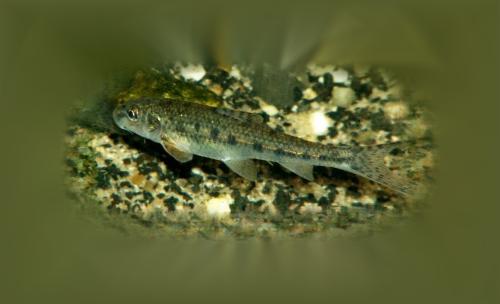
- Gudgeon
- Human Flea
- Dog Flea
- Oriental Rat Flea
- Hen Flea
- Northern Rat Flea
- chigoe flea
- Hedgehog Flea
- new zealand bat flea
- Martin Flea
- cat flea
- Ceratophyllus farreni
- Chaffinch Flea
- Rabbit Flea
- Mouse Flea
- sticktight flea
- Squirrel Flea
- Sparrow Flea
- Amalaraeus dissimilis
- Northern Flea
- Ceratophyllus chasteli
- wild boar
- somali ostrich
- Bed bug
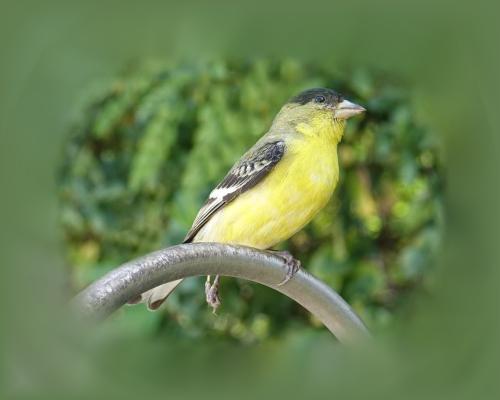
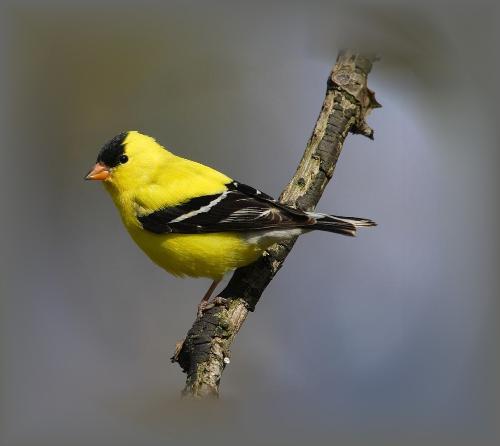
- eurasian siskin
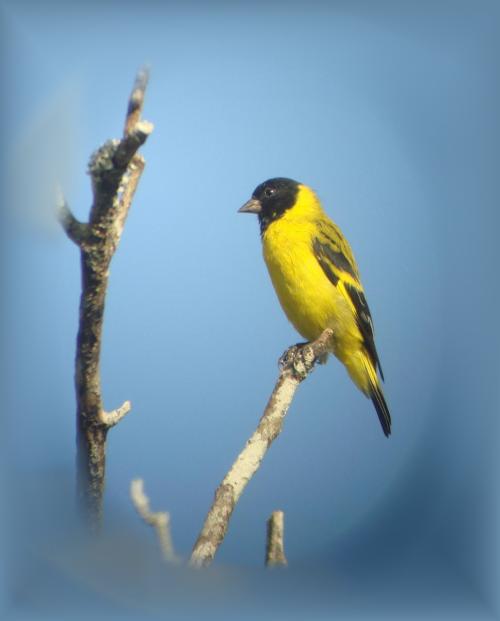
- Black-headed Siskin
- olivaceous siskin
- eurasian siskin
- eurasian siskin
Find your most suitable archetypes
Archetypes are facets of personality and behaviour: sometimes a hamster, sometimes a lion. Take a test for yourself, a friend or a pet.