






















The “kiang” archetype
Cultural context
Across Europe, India, Celtic lands, China, Mongolia, Persia, Russia, Scandinavia, Central Asia, Japan and nearly every nomadic people the kiang bull has stood for the same fierce independence. Heraldry shows the lone figure crossing wind-scoured ridges, a banner fluttering from its withers like a defiant pennant. Tales from steppe and plateau speak of the creature that refuses to yield its chosen path, whose tracks remain visible long after softer travellers have turned aside. Nomads carry its silhouette on saddles and cloaks as proof that freedom demands endurance.
Scales
Traditions read the kiang bull through an unshakeable drive for prestige, an appetite for the next summit and the stamina required to reach it. It moves with measured force, muscles flexing under sun-bleached hide, yet its gaze often lingers on the far horizon, hinting at a hunger for meaning beyond grass and salt. Order is its habit: it returns to the same high passes each season, but it is never enslaved by habit. The creature’s rhythm remains its own, a blend of disciplined stride and quiet self-trust that keeps it both solitary and certain.
Core traits
The kiang bull is a living surge of vitality. It charges across plateaus at dawn, hooves striking stone like drumbeats, and the sight can rouse weary companions to follow. Yet its fires flare and sink; one moment it is first to test a new trail, the next it stands distracted, tail switching at unseen flies. Its gift is the sudden, irresistible start; its cost is the unfinished ridge it leaves behind.
Strong traits
Honesty, loyalty, diligence, two currents of dominance, courage, resilience, pride and kindness braid themselves through the kiang bull’s days. It speaks the plain truth with a snort that needs no translation and keeps faith with the same small herd across winters that scatter lesser bonds. It labours steadily up slopes that would break softer legs, then stands at the crest to guard the path for those behind. When danger narrows the track it moves first, never boasting, yet the pride in its lifted head is unmistakable. Kindness appears as a lowered neck offered to a tired calf, though the same pride can refuse the rest it sorely needs.
Noticeable traits
Fertility, wisdom, recklessness, independence and stubbornness colour the kiang bull with lighter strokes. It scatters its strength across many ventures, seeding new trails and fresh pastures wherever it passes. Experience has taught it which ridges hold firm under sudden snow, yet that same wisdom sometimes keeps it waiting too long at the edge. When a reckless leap carries it across a crevasse the act surprises even itself; independence then pulls it farther from company, while stubbornness locks its hooves to the chosen route no matter how the wind shifts.
Muted traits
Cowardice, rudeness and stupidity appear only as faint shadows across the kiang bull’s hide. A twitch of the ear may signal an instant of retreat before an unfamiliar sound, though the moment passes quickly. Its words—if a snort can be called speech—are clipped and direct, sometimes leaving companions stung. Now and then instinct overrides thought and the animal blunders into soft ground it should have circled, yet it seldom repeats the error.
How to be around
Meeting a kiang bull begins with the recognition that it moves to its own drum. Offer neither rein nor leash; instead stand where it can see you clearly and wait for the slight forward flick of an ear that signals permission to approach.
With a woman
A woman who carries the kiang bull’s spirit fills a room the way sunrise fills a high valley. She tackles new projects with contagious brightness, yet she may abandon half-finished canvases when another horizon calls. Tread lightly near her caution; never mock the moment she hesitates at a safe threshold, and answer her blunt remarks without taking offence. Acknowledge her ambition without turning it into competition, and she will let you walk beside her for miles.
With a man
A man much like the kiang bull speaks plainly, keeps promises as stone keeps its shape, and rarely alters course once he has chosen it. He may miss a subtle cue in conversation because his thoughts stay fixed on the next ridge of work. Stay near him when a decision looms; your quiet presence steadies him more than advice. Do not correct him in public, and he will trust you with the map he draws only for himself.
With a teenage boy
A teenage boy who echoes the kiang bull will defend a friend long after others have drifted away, yet he may forget his own need for rest. He tests every limit set before him and sometimes argues simply to prove the ground is still his. Let him choose the route on a hike; praise the endurance that carries him forward, and he will remember the day as proof that loyalty travels both ways.
With a teenage girl
A teenage girl with the kiang bull’s temper works late into the night on projects no one assigned, driven by a private sense of duty. She may sprint toward an untested idea without checking the drop beneath it. Sit with her while she puzzles over what matters most; do not hurry her answer. When she offers help at her own expense, notice it quietly so she learns the gift does not have to cost her everything.
With a child
A child who shares the kiang bull’s fire likes to arrange stones into kingdoms and declare the rules of the game before anyone else arrives. He learns by watching older players, yet sometimes waits too long to join. Give him a small hill to defend with wooden swords; laugh when he invents new laws mid-battle, and he will carry the memory of being both leader and welcomed guest.
With an animal
An animal-kiang bull claims the highest corner of any enclosure and patrols its fence line with measured steps. It meets sudden movement with a bold charge that can bruise softer creatures, yet it also grazes new grass into paths others later follow. Provide a clear view and firm ground; leave it to decide when the sun is warm enough for rest, and it will repay the courtesy with calm presence.
After a quarrel
The kiang bull meets interference the way a cliff meets the wind: it simply does not move. A woman resents the addition of yet another task when her plate is already full. A man bristles if his plan is questioned while he is still choosing footholds. A teenage boy flares when told his loyalty to an old friend is misplaced. A teenage girl withdraws when her careful plans are scattered by someone else’s urgency. A child stamps when a game is taken over without invitation. An animal-kiang bull kicks when its daily circuit is blocked by a stranger’s hand.
How to befriend
Friendship with the kiang bull grows where respect for effort is shown without demand for change. A woman draws closer when her rebound from failure is quietly noted. A man stays near those who accept his refusal of help without argument. A teenage boy remembers the person who waited at the finish line without checking a watch. A teenage girl trusts the one who lets her finish a thought before offering another view. A child warms to the adult who joins the kingdom of stones without rewriting its laws. An animal-kiang bull tolerates company that keeps a steady distance and never interrupts its measured patrol.
Similar archetypes
Close facets: images with a similar set of qualities.
Complete opposite
The opposite facet: images whose qualities point the other way.
- Black widow spider
- Gudgeon
- Human Flea
- Dog Flea
- Oriental Rat Flea
- Hen Flea
- Northern Rat Flea
- chigoe flea
- Hedgehog Flea
- new zealand bat flea
- Martin Flea
- cat flea
- Ceratophyllus farreni
- Chaffinch Flea
- Rabbit Flea
- Mouse Flea
- sticktight flea
- Squirrel Flea
- Sparrow Flea
- Amalaraeus dissimilis
- Northern Flea
- Ceratophyllus chasteli
- wild boar
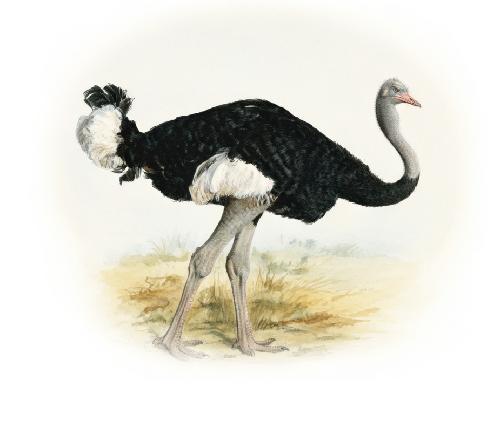
- somali ostrich
- Bed bug
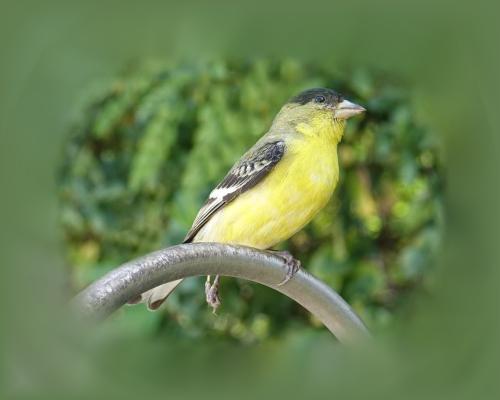
- eurasian siskin
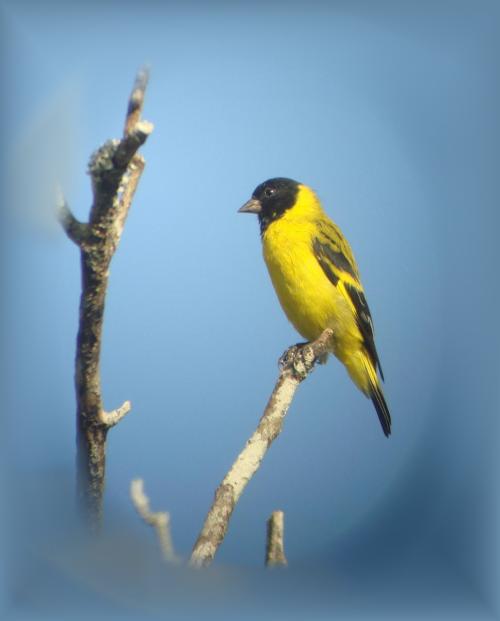
- Black-headed Siskin
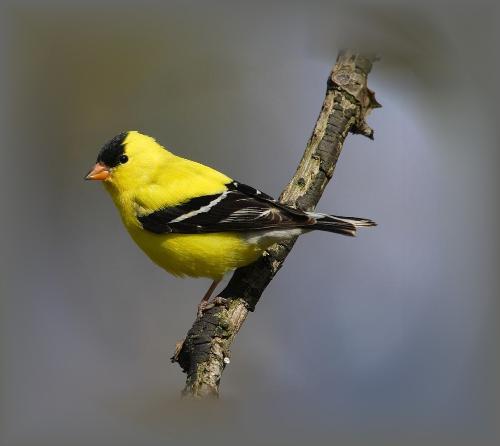
- olivaceous siskin
- eurasian siskin
- eurasian siskin
Find your most suitable archetypes
Archetypes are facets of personality and behaviour: sometimes a hamster, sometimes a lion. Take a test for yourself, a friend or a pet.