






















The “cape mountain zebra” archetype
Cultural context
Across the heraldic shields of Europe and the embroidered silks of Persia, the Cape mountain zebra carries an aura of solitary endurance. In Mongolian steppe songs and in the poetry of Central Asia it appears as a creature that climbs where no saddle fits and keeps its own counsel. Celtic bards pictured its stripes as lightning strokes frozen in black and white, while Japanese woodblock prints turn the same lines into a living map of untamed distance. Whether marching beside nomadic herds or emblazoned on royal banners, the animal stands for a refusal to be penned, its image rooted in cultures that have always prized the will to remain upright under wind, frost, and the long climb home.
Scales
In these traditions the zebra reads as prestige pursued without apology, a creature that measures its worth by how long it can keep moving when others lie down. Its endurance is matched by a steady pulse of desire that draws it toward the herd yet never dissolves into surrender. Meaning is sought in the rhythm of hooves on stone rather than in idle contemplation, and the same rhythm turns every danger into a game that is both serious and light. Strength is worn openly; so is the habit of standing slightly apart from the crowd, weighing every offer of company against the need to keep its own trail clear.
Core traits
Vitality runs through the foal like a mountain stream that never warms; it wakes before dawn, tests every slope, and carries the rest of the herd forward simply by refusing to stop. One moment it is the first to break into a canter, the next it has already turned toward another ridge. That bright surge lets it shoulder fresh tasks without coaxing, yet the same current can scatter if nothing holds its interest long enough to finish what it started. Still, while the light lasts, the whole valley feels its motion.
Strong traits
Honesty cuts like a whistle through dry grass; the zebra says what the trail demands and lets the words stand without softening. Loyalty keeps it beside the same companions across seasons, even when those companions slow it down. Diligence shows in the steady climb that never wastes a step, while dominance arranges the order of march so that weaker members stay inside the stripe of protection. Courage answers the sudden flash of a leopard without first counting the odds, and resilience turns a fall on shale into another lesson under the hooves. Pride keeps its head high when the wind cuts, yet kindness still lets it slow for a limping foal that would otherwise be left behind.
Noticeable traits
Fertility of spirit shows whenever the zebra finds a hidden spring and the whole band drinks because of one discovery. Wisdom arrives later, after the lesson of loose stones has been learned twice. Recklessness sends it across a river still rising, while independence lets it test the far bank alone before the others follow. Stubbornness locks its knees against retreat even when every sense warns of flood; the same trait keeps it on the chosen path long after easier routes have opened.
Muted traits
Cowardice appears only as a brief hesitation at the edge of an unfamiliar shadow, a flicker quickly mastered. Rudeness clips a greeting short when time is short, leaving the other zebra to read the silence. Stupidity wanders in now and then when instinct overrides the memory of yesterday’s cliff, yet each misstep becomes another scar that the herd eventually learns to skirt.
How to be around
To move beside a Cape mountain zebra without friction, match the pace it sets and leave its silences unbroken. Offer help only when the climb grows steeper than any single set of hooves can manage, and never announce the offer in advance.
With a woman
A woman who carries the mare’s temper gathers momentum early and dislikes being asked to explain each decision while the work is still rising. She will accept a quiet second pair of hands on a steep pitch, yet any hint that she might be overreaching can freeze her mid-stride. Status matters; she notices whether her effort is seen, and a word of public credit steadies her more than private praise. At the same time a faint caution can make her pause before an unknown crossing, and the same blunt tongue that earns trust can cut if pressed for small talk she has no time to shape.
With a man
A man who shares the stallion’s stride speaks plainly and expects the same; any detour around the truth makes him stamp once and turn away. He will hold to a plan long after the ground has changed beneath it, and the fog of an unexamined impulse sometimes leads him into brambles he could have walked around. Yet when desire draws him toward another, the same directness that can wound also clears the path between two clear hearts, and the self-reliance he wears like a second skin softens only for the one who neither flatters nor steers.
With a teenage boy
A teenage boy whose blood answers the foal’s call stays beside a friend through three storms and still forgets to mention he needs help with the fourth. He draws strength from the rhythm of shared effort yet bristles if the group tries to rewrite the route he chose yesterday. Endurance keeps him moving when others rest, but the same current can turn quarrelsome if someone blocks the trail without first asking what he sees ahead.
With a teenage girl
A teenage girl who moves like a young mare will keep working on a single intricate braid of tasks until her shoulders ache, then refuse to admit the weight. She searches for a private meaning in every stripe of her days and will give away her last reserve of energy if she believes the gift still matters. Boldness can send her across a line others hesitate to touch, yet the same impulse sometimes lands her where only patience, not daring, can help her turn back.
With a child
A child whose spirit still answers the foal’s quick feet likes to line up sticks as if they were a migrating herd and will correct anyone who moves them out of order. Play turns every slope into a kingdom he alone can name, yet he learns best when the story of the day is allowed to keep its familiar shape. Left to decide the ending, he sometimes lingers too long at the edge of the game, waiting for the older voices to reassure him the rules still hold.
With an animal
An animal-stallion meets an approaching stranger with a lifted head and a measured step that measures the ground between them. Courage lets him place himself between the known herd and the unknown sound, while the generous pulse that draws new life into the band can also leave him spent if he guards every hour of the day. Physical power shows in the clean arc of a hind leg that clears a fallen log without effort, and the modest honesty of his gaze asks only that the same fairness be returned.
After a quarrel
Conflict with the Cape mountain zebra begins the moment someone tries to rearrange the order it has already set. A woman feels the intrusion as an unasked burden laid across her withers; a man hears it as a question aimed at the very step he is taking. The teenage boy answers with silence that lengthens until the interrupter leaves; the teenage girl answers with a sudden flare that clears the space around her. A child grows loud and disorderly when the game is stolen mid-count, while an animal-stallion swings its quarters and stamps once, the only warning the ground will give before the next strike lands. In every case the quarrel lives in the broken rhythm, not in the words that follow.
How to befriend
Friendship begins when the zebra sees that its own line of travel is left untouched. A woman warms when her endurance is noticed without being named a problem to solve; a man trusts the one who waits at the ridge rather than calling him back. The teenage boy draws closer after a shared stretch of difficult ground that neither complains about; the teenage girl offers her next discovery only to the listener who does not rush to improve it. A child keeps returning to the friend who remembers yesterday’s rules exactly; an animal-stallion accepts the quiet presence that neither pets nor directs, simply stands at the correct distance until the head lowers and the breath lengthens.
Similar archetypes
Close facets: images with a similar set of qualities.
Complete opposite
The opposite facet: images whose qualities point the other way.
- Black widow spider
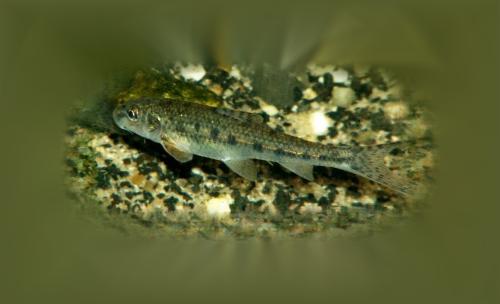
- Gudgeon
- Human Flea
- Dog Flea
- Oriental Rat Flea
- Hen Flea
- Northern Rat Flea
- chigoe flea
- Hedgehog Flea
- new zealand bat flea
- Martin Flea
- cat flea
- Ceratophyllus farreni
- Chaffinch Flea
- Rabbit Flea
- Mouse Flea
- sticktight flea
- Squirrel Flea
- Sparrow Flea
- Amalaraeus dissimilis
- Northern Flea
- Ceratophyllus chasteli
- wild boar
- somali ostrich
- Bed bug
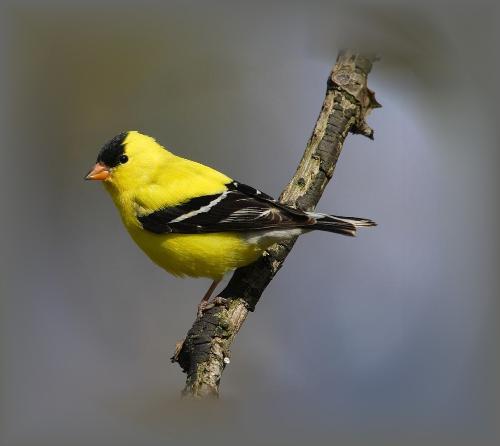
- eurasian siskin
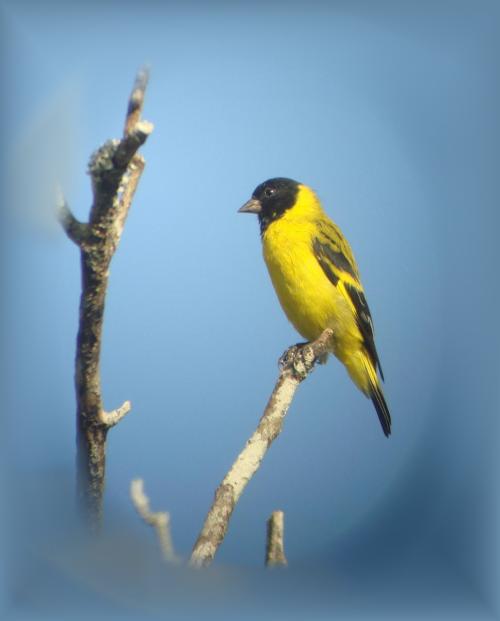
- Black-headed Siskin
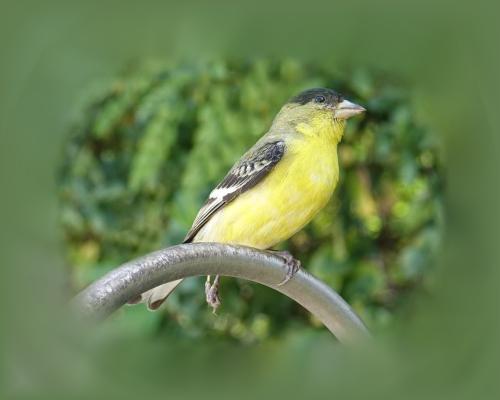
- olivaceous siskin
- eurasian siskin
- eurasian siskin
Find your most suitable archetypes
Archetypes are facets of personality and behaviour: sometimes a hamster, sometimes a lion. Take a test for yourself, a friend or a pet.