






















The “kulan” archetype
Cultural context
Across steppe and salt-flat the kulan threads the memory of horse-nomads who once rode beside it, its dust-brown hide blending with the horizon like a living stripe of wind. Mongol hunters raised their tents where it grazed, Persian caravans traced its trails, Turkmen riders counted its speed as a measure of their own, and Celtic bronze-workers stamped its silhouette on shields as an emblem of untamed endurance; even Chinese poets wrote of it as the creature that carried dawn across the dunes. Its image in European heraldry gallops across banners as a sign of fortitude that refuses halter, while Japanese lacquer painters brushed its silhouette against snow as the moving silence of open country.
Scales
Tradition reads the kulan through its need to be first across the water-hole and its willingness to stand alone on the ridge, prestige pressing forward like a banner in the wind. Its body moves with an appetite that draws the herd behind it, yet it withdraws when the grasses thin, a quiet self-reliance that never seeks applause. Thought travels in long loops along the horizon, testing wind and memory rather than rushing toward the new, and its loyalty to the same migration paths each spring holds custom tighter than any rein. When danger presses, its courage rises before its caution, leaving no space for hesitation yet never courting needless harm.
Core traits
Vitality in the kulan arrives as sudden lightning across the plain, a charge of muscle and breath that pulls every nearby animal into its wake, yet the same spark cools the moment the wind shifts or the trail hardens. It will race toward a new water source with unspent force, then circle back and forget the place as though the run itself had been the only goal, leaving the herd to wonder whether the next horizon will hold its attention any longer than the last.
Strong traits
Honesty travels in the kulan’s stride like a straight track across salt, never veering to spare another’s feelings; loyalty binds it to the herd that once shared its thirst, though the same bond can tether it to paths long since dry. Diligence shows in the patient climb toward distant ridges, each hoof-fall measured until the slope is conquered, while dominance gathers the scattered group into a single file when storms rise. Courage lifts its head first when wolves circle, yet resilience keeps it returning to the same meager pasture even after drought has stripped it bare. Pride keeps its neck arched when strangers approach, and kindness appears only when a foal stumbles, offering a brief shelter of flank before the march resumes.
Noticeable traits
Fertility in the kulan scatters energy across each new foal like seed carried on dry wind, yet the same abundance can exhaust the mare when too many young demand her milk at once. Wisdom is the slow turning of an ear toward the distant rumble of hooves, the memory of which ridge still holds grass; recklessness flashes when the herd bolts toward a mirage of green, and independence carries the lone male beyond the dust of the main group. Stubbornness plants its feet at the edge of the cliff until the wind itself changes direction.
Muted traits
Cowardice shows only as a momentary hesitation at the lip of a new gully, a single backward glance before the leap; rudeness arrives in a sharp snort that ends conversation before it begins, and stupidity wanders in circles after losing the trail, hooves retracing the same dry stones until scent or memory returns.
How to be around
The kulan answers best to those who match its pace without crowding its shoulders, offering presence instead of direction and letting silence stretch between words until the animal itself steps closer.
With a woman
A woman who carries the kulan’s quick fire responds when prestige is at stake; she will shoulder the heaviest load in any shared venture and then vanish the moment the task loses its shine. Give her the first word on the route and the last word on the rest stop, yet keep one eye on the horizon so that when her attention scatters you can quietly finish what she began. She speaks without softening edges, a directness that clears confusion but may leave quieter companions bruised, and when fear whispers she will freeze at the sound of an unfamiliar footfall even on familiar ground.
With a man
A man who moves like the kulan keeps his promises with the same blunt force he uses to clear a path through thorn, yet the same honesty can cut when he refuses to wrap refusal in courtesy. He will stay on a chosen track long after the herd has turned aside, and his thoughts sometimes circle the same obstacle until instinct supplies a new angle. Allow him to set the hour for meeting and the place for parting; when intimacy draws near, he will test the ground with small shared silences before he offers the deeper current of trust.
With a teenage boy
A teenage boy who holds the kulan’s loyalty will stand beside a friend through every quarrel yet still wander off when the group turns toward new faces. Endurance carries him through long treks without complaint, yet the same strength makes him bristle when anyone questions the pace he has already set. Let him choose the meeting place and the hour of return; when words run thin, a shared climb or a race across open ground will say more than any lecture.
With a teenage girl
A teenage girl who carries the kulan’s steady diligence will finish every assigned task even when the rest of the group has drifted away, yet the same patience can leave her hollow if no one notices the cost. She searches for a meaning that binds each day to the next, and when danger appears she will offer her own safety first. Sit with her at the edge of the herd where the wind is clearest, and let her speak of what she has learned before you offer any plan of your own.
With a child
A child who inherits the kulan’s need to lead will arrange sticks into a circle and declare the rules before the game has even begun, yet the same certainty can harden into refusal when another child offers a different order. Play arrives in sudden bursts of galloping across the yard, followed by long thoughtful pauses while the child watches the clouds for patterns. Give the child the first turn at naming the next adventure and the last word on when to stop; the small rituals of returning to the same corner of the garden each evening will anchor the day more surely than any new toy.
With an animal
An animal kulan will charge the fence line at the first scent of rain yet hesitate when a stranger’s hand reaches across the rail. Its strength is the clean arc of muscle over the jump, its modesty the quiet lowering of ears when it accepts water from an open palm. Place the bucket where it can approach without turning its flank to the wind, and leave the gate unlatched so that courage and caution may meet on ground the animal itself has chosen.
After a quarrel
The kulan’s stride tightens when another voice tries to steer the herd; its dominance rises like a sudden gust that flattens every smaller stem, and its kindness shrinks when the same gust threatens to scatter the young. A woman will flare when her word is questioned in front of the group she leads; a man will lock his jaw if the route he chose is altered mid-step; a teenage boy will answer every suggestion with louder hoof-beats; a teenage girl will carry every extra burden until resentment flashes; a child will stamp when a toy is moved without consent; an animal will wheel and kick if its resting patch is crossed without warning.
How to befriend
The kulan returns to the same ridge each season because memory and pride keep it faithful; resilience lets it rise after every storm, yet the same pride refuses the hand that would lift it sooner than it chooses. A woman will test loyalty through shared hardship before she offers the next mile; a man will measure trust by whether his judgment is left untouched; a teenage boy will open after one long climb together; a teenage girl will share her thoughts only when the listener has first stayed silent; a child will remember the adult who waited at the gate; an animal will accept a quiet palm once the stranger has stood still long enough for wind to carry its scent across the fence.
Similar archetypes
Close facets: images with a similar set of qualities.
Complete opposite
The opposite facet: images whose qualities point the other way.
- Black widow spider
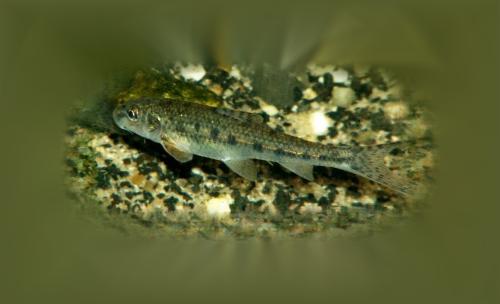
- Gudgeon
- Human Flea
- Dog Flea
- Oriental Rat Flea
- Hen Flea
- Northern Rat Flea
- chigoe flea
- Hedgehog Flea
- new zealand bat flea
- Martin Flea
- cat flea
- Ceratophyllus farreni
- Chaffinch Flea
- Rabbit Flea
- Mouse Flea
- sticktight flea
- Squirrel Flea
- Sparrow Flea
- Amalaraeus dissimilis
- Northern Flea
- Ceratophyllus chasteli
- wild boar
- somali ostrich
- Bed bug
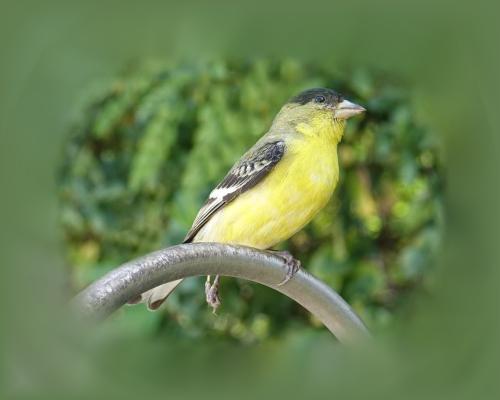
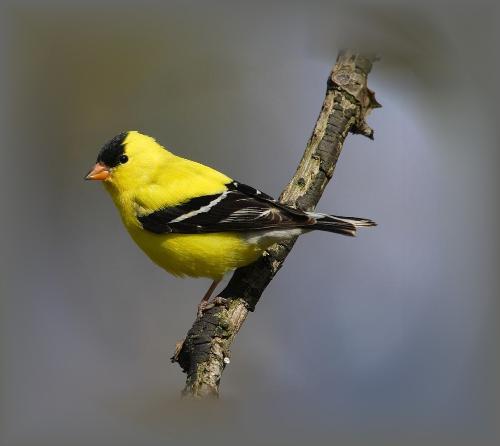
- eurasian siskin
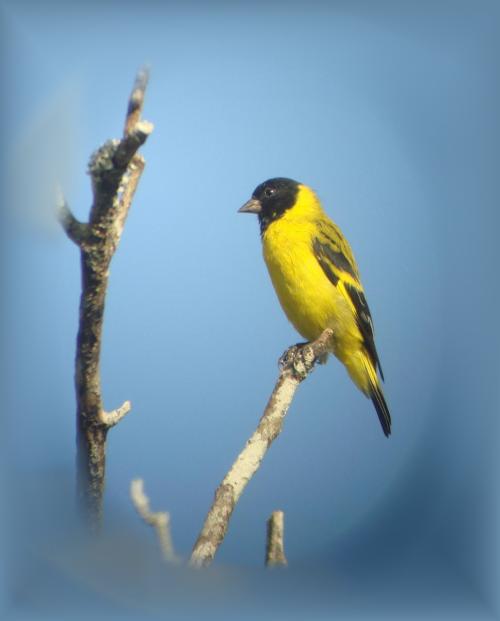
- Black-headed Siskin
- olivaceous siskin
- eurasian siskin
- eurasian siskin
Find your most suitable archetypes
Archetypes are facets of personality and behaviour: sometimes a hamster, sometimes a lion. Take a test for yourself, a friend or a pet.