






















The “kulan” archetype
Cultural context
Across the dry tablelands of Central Asia and the Mongolian steppes the asian wild ass moves like a living stripe of wind, its hoofbeats echoing in the songs of herdsmen and the painted scrolls of Persia. In European heraldry the kulan’s silhouette appears on crests as a sign of fleet endurance, while in Mongolian folk memory it gallops through tales of drought and winter blizzard, carrying nothing but its own muscle and the memory of wide horizons. Chinese chronicles praise its swiftness as a warning that borders can shift overnight, and Turkic legends treat its solitary gallop as the heartbeat of lands too vast for fences. In every culture where it appears, the kulan keeps the same message: freedom is measured in distance traveled before the horizon bends, and survival belongs to the one who never waits for shelter.
Scales
In the old stories the asian wild ass stands at the center of vitality, a creature whose every stride proclaims endurance and vital strength. Its presence on heraldic shields and in caravan songs marks the pursuit of prestige, the quiet hunger to be remembered as the one that crossed the hardest ground. Yet alongside this drive runs an interest in intimacy and pairing; herds form and dissolve with the seasons, the animal choosing company when the grass is rich and solitude when the waterholes shrink. The kulan shows little reverence for old custom, yet it carries an inner bond with the world, reading the tilt of light on the dunes as a sign that life continues. Its decisions lean toward self-reliance, and it meets each new ridge with the curiosity of an animal that has already measured its own shadow against the plain.
Core traits
Vitality runs through the kulan like the tremor that lifts dust before a sudden gust. One moment it surges forward, ears forward, ready to test the next slope; the next moment the same surge scatters its attention across three different directions, leaving a half-dug scrape and a forgotten trail. The energy that draws other animals to follow can just as quickly leave the kulan standing alone, breathing hard, the horizon already calling it elsewhere.
Strong traits
Honesty in the asian wild ass shows as a straight line of travel across open ground: no detours, no hidden tracks. Loyalty keeps it returning to the same small band even after long separations, the animals greeting one another with short, sharp snorts rather than elaborate ceremony. Diligence appears in the steady cropping of sparse grass until the patch is finished, while dominance settles disputes at the waterhole with a single lifted head and a measured step forward. Courage carries it across a dry riverbed at dusk when scent warns of leopards, and resilience brings it back the next morning to the same stones. Pride refuses to let another animal push it from its chosen ridge, yet kindness shows when the kulan stands still so a foal can drink first.
Noticeable traits
Fertility in the kulan shows in the quick regrowth of grazed slopes it has left behind, new shoots appearing where its hooves have broken the crust. Wisdom reads the angle of evening light on distant snow and turns aside before the pass fills with drifts. Recklessness can send a young kulan leaping a gully too wide for its legs, and independence keeps the same animal traveling three ridges away from the herd until thirst pulls it back. Stubbornness keeps an old female walking the same trail even when the grass has failed, until the herd swings around her rather than leave her behind.
Muted traits
Cowardice appears only as a brief hesitation at the lip of a shadowed gully, ears swiveling before the kulan decides the risk is worth the crossing. Rudeness shows in the sudden swing of a hind hoof when another animal crowds too close at the salt lick, and stupidity surfaces when a thirsty kulan mistakes the shimmer of mirage for water and wastes half a morning before turning back.
How to be around
The kulan keeps its own counsel and its own pace; any approach that tries to steer it from a distance only tightens the circle it draws around itself. Watch the direction of its ears and the length of its stride, then match your timing to the rhythm already set.
With a woman
A woman who carries the kulan’s vitality moves quickly from one task to the next, her attention bright as morning light on new snow, yet she may leave projects half-finished when the next horizon calls. When she hesitates at an edge others consider safe, the faint trace of cowardice is simply her instinct refusing unnecessary risk. Speak to her with the same directness she uses; if your words come out clipped, she will take them as honesty rather than offense, and the brief distance that follows will pass once the work resumes.
With a man
A man shaped like the kulan values the straight answer above the careful one; he will trust a blunt statement even when it stings because it matches the clarity he keeps inside his own head. His stubbornness holds him to a chosen route long after others have turned aside, and he may miss the obvious solution because his mind stays fixed on the first plan. Give him room to test that plan without commentary, then offer the missing piece only when he stops moving and the dust settles.
With a teenage boy
A teenage boy who runs with the kulan’s loyalty will stand beside a friend through a long winter of arguments, yet the same loyalty can keep him circling old grievances instead of stepping into new company. His independence lets him carry heavy loads without asking, but the weight can press his shoulders lower each day. Invite him into shared work that ends at a visible ridge rather than an endless plain; the finish line will matter more to him than any speech about teamwork.
With a teenage girl
A teenage girl whose diligence mirrors the kulan will keep working at a single patch of ground until the last blade is cropped, often past the point where rest would serve her better. The recklessness that sometimes flares can send her racing across uncertain ice because the far bank looks closer than it is. Let her finish the task she has set, then place a quiet question about what the next stretch of daylight might ask of her; the answer will come more readily once the present work is done.
With a child
A child who moves like a young kulan will gather every other child into a single game and expect them to follow the rules he has invented on the spot. His wisdom shows when he notices which smaller child is about to stumble and quietly shortens the course. Give him a clear starting line and an even clearer end; the game will hold its shape only as long as the boundary remains visible to everyone running inside it.
With an animal
An animal kulan will charge the fence line once, twice, then stand with its head high, testing whether the new boundary will hold. Its courage shows in the way it faces an unfamiliar dog without backing, and its fertility appears in the steady way it keeps the herd moving toward fresh pasture even when its own ribs show. Leave a gate open at the far end of the enclosure; the animal will discover it on its own terms and accept the larger space as its own discovery rather than a gift.
After a quarrel
The kulan’s dominance tightens when another voice tries to rearrange its route mid-step, and its kindness can be spent too quickly on anyone who keeps asking for one more favor after the first refusal. A woman will feel crowded if every suggestion arrives wrapped in extra duties; a man will stop listening the moment his order is repeated in public; a teenage boy will answer a challenge with louder defiance; a teenage girl will withdraw into silence when her effort is measured against someone else’s; a child will kick at the toy snatched from his hands; and the animal will answer any sudden hand on its flank with a single, precise kick that leaves no doubt about whose space has been crossed.
How to befriend
The kulan’s resilience lets it shake off a lost race by the next sunrise, yet the same resilience can keep it circling the same dry basin instead of admitting the water is gone. Its pride refuses the first offered help even when the load is visibly too great. A woman will draw closer if you remember the exact ridge she mentioned yesterday; a man will accept company on a second journey once the first has been completed without interference; a teenage boy will share the next plan only after his last one has been allowed to fail on its own terms; a teenage girl will answer a quiet question about what she hopes the new season might change; a child will hand you the end of the string once the kite is already in the air; and the animal will stand still long enough for a hand to rest on its neck only after the same hand has waited three days at the fence without reaching through.
Similar archetypes
Close facets: images with a similar set of qualities.
Complete opposite
The opposite facet: images whose qualities point the other way.
- Black widow spider
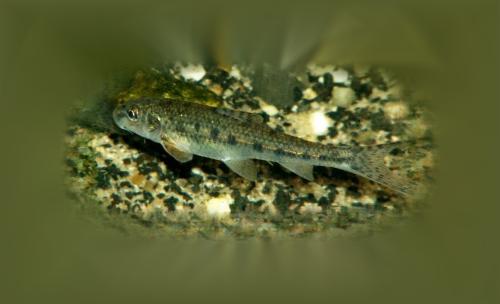
- Gudgeon
- Human Flea
- Dog Flea
- Oriental Rat Flea
- Hen Flea
- Northern Rat Flea
- chigoe flea
- Hedgehog Flea
- new zealand bat flea
- Martin Flea
- cat flea
- Ceratophyllus farreni
- Chaffinch Flea
- Rabbit Flea
- Mouse Flea
- sticktight flea
- Squirrel Flea
- Sparrow Flea
- Amalaraeus dissimilis
- Northern Flea
- Ceratophyllus chasteli
- wild boar
- somali ostrich
- Bed bug
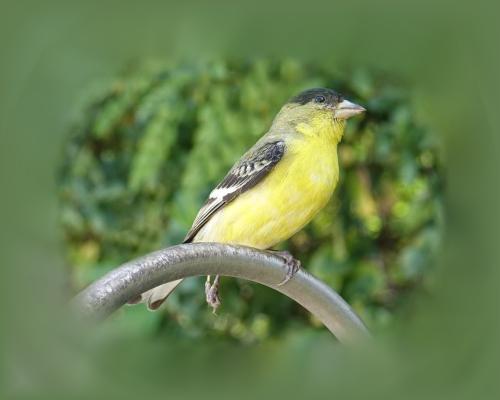
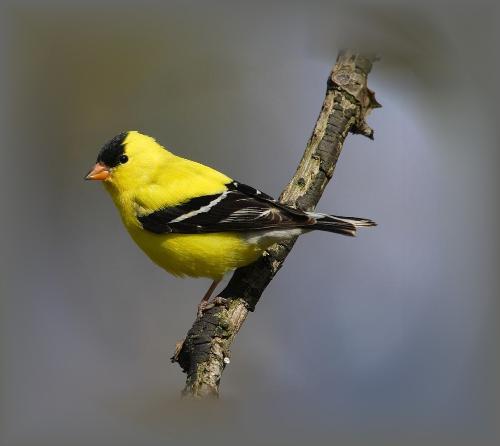
- eurasian siskin
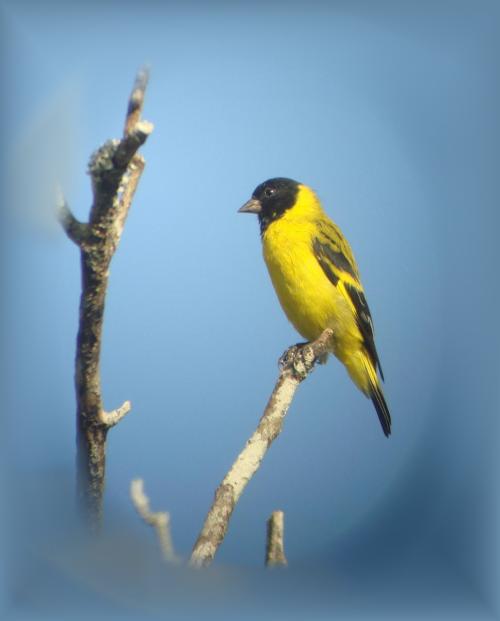
- Black-headed Siskin
- olivaceous siskin
- eurasian siskin
- eurasian siskin
Find your most suitable archetypes
Archetypes are facets of personality and behaviour: sometimes a hamster, sometimes a lion. Take a test for yourself, a friend or a pet.