





















The “quagga” archetype
Cultural context
Burchell's zebra carries its black-and-white hide through the legends of heralds and nomads alike. In European shields the stripes mark a knight who keeps watch without sleep, while Persian and Mongolian epics treat the same pattern as the dust of a plain that never stays still. Celtic storytellers send the zebra between worlds, its hooves drumming on the thin boundary where one land dissolves into another. Turkic riders, Japanese poets and the scattered clans of Central Asia all read the same beast as a living emblem of motion and order, an animal whose stripes prove that endurance and ornament can share one skin.
Scales
Tradition sees the zebra first as a seeker of rank, always pressing forward until the herd’s eyes rest on it. Its body carries the fire of unspent strength, yet that fire never burns alone; it pulls the zebra toward the press of bodies, the scent of sweat and warm grass, and the steady rhythm of hooves that answers the call of another. The same animal searches for meaning in the long marches and in the sudden halt when the horizon opens, never satisfied with the day’s forage. Play flickers in its dust-raising gallops, while a clear eye for order keeps the group from scattering when lions rise from cover.
Core traits
A restless current of vitality runs beneath the zebra’s stripes, urging it toward new grass and fresh trails before the dew has dried. One moment it races ahead of the herd, tail lashing like a banner, the next it forgets the route it blazed and wheels back to the dust it raised. Its legs carry it far, yet those same legs tire of repetition, so the animal begins again and again, leaving half-chewed stalks behind like unfinished thoughts.
Strong traits
Honesty rides the zebra in every snort of greeting and every sudden turn away; it states the line between safe ground and danger without embroidery. Loyalty binds it to the same companions through drought and flood, yet the same bond can anchor it to a path the seasons have already abandoned. Diligence shows in the measured cropping of grass until the plain is smooth, while dominance lifts its head first when the herd must choose a crossing. Courage meets the lion’s charge without pause, resilience lifts it after the fall, pride keeps its neck straight under the sun, and kindness lets a foal shelter beneath its belly when rain begins.
Noticeable traits
Fertility moves through the zebra as an urge to widen the circle, bringing new foals into the herd and new trails into the plain. Wisdom gathers from long watches at the water’s edge, teaching it when to wait and when to drink. Recklessness still flashes when the zebra leaps a dry riverbed without testing the bank, and independence lets it wander beyond the dust of the others. Stubbornness digs its hooves into the red earth when the herd turns, refusing to shift until the wind itself changes direction.
Muted traits
Cowardice appears only as a flicker of the ear when shadows lengthen, a small retreat that keeps the zebra alive until courage returns. Rudeness clips its greeting to a single bark when flies are thick, and the herd steps aside without offense. Stupidity lingers in the moment the zebra mistakes its own stripe for an enemy and wheels too late, learning once more from the bruise on its flank.
How to be around
To move with a Burchell's zebra, watch the direction of its ears and the set of its shoulders; both tell when the animal is ready to start and when it has already begun to tire of the task.
With a woman
A woman whose energy rises and falls like the zebra’s stride needs no chorus of reminders; she already hears the drum inside her chest. Offer a single clear errand at dawn and step back, for she will carry it farther than words can urge, yet she may drop the thread when another horizon glitters. When her voice cuts straight through courtesy, accept the cut as the price of trust rather than a slight. Her eyes still search for notice in every gathered circle, so a brief word of public credit steadies her more than private praise.
With a man
A man carries honesty like a hoofbeat that cannot be softened; speak to him without varnish and he will answer in the same measure. Once his course is set, only the land itself can turn him, so place any new fact in his path early and let him test it with his own stride. In matters of closeness he answers heat with heat, meeting another’s warmth without detour or delay. He prefers to solve his own crossings, yet a quiet suggestion offered after he has spoken will sometimes lodge where command would have been thrown off.
With a teenage boy
A teenage boy keeps faith with the friends who first ran beside him, even when the path has grown narrow and the grass thin. He tests every new voice against that old loyalty, so any plan must first honor the circle he already guards. His legs still answer the call of open ground, and he will run until the horizon blurs unless someone reminds him that water lies behind as well as ahead. When his temper flares at a change of route, the quarrel is less about pride than about the fear of leaving the known herd behind.
With a teenage girl
A teenage girl works at a task until the last thread lies straight, yet the same patience can leave her eyes rimmed with dust when night falls. She sometimes leaps toward a new idea without checking the footing, so a steady hand at her elbow turns the leap into a measured step rather than a fall. Questions about the hidden order of things occupy her more than games of chance; a single shared silence beneath the stars often answers more than advice. When she offers her strength to another without being asked, the gift costs her rest she will not name.
With a child
A child arranges sticks and stones into a miniature herd and expects every piece to stand where he placed it. Within that small republic he learns the weight of command and the silence that follows when no one obeys. Play loosens the reins he tries to hold, letting laughter scatter the sticks until he must begin again with lighter hands. He listens longest to stories that repeat the same crossing at dusk, the same safe return under stars that have already counted his steps.
With an animal
An animal meets a sudden shadow with a plunge that clears the grass in one bound, then wheels back to stand between the threat and the younger bodies behind it. Its flanks carry the power to run for miles, yet it will spend that power on a foal too tired to keep the pace. When the plain offers new grass it tests the ground with flared nostrils before the first bite, weighing hunger against the memory of drought. It accepts a calm voice and a steady hand only after the hand has waited without reaching.
After a quarrel
A Burchell's zebra meets disorder the way a lead mare meets a gap in the line: it moves at once to close it. A woman whose place inside the circle is questioned will answer with a stare that leaves no room for further speech. A man whose order is spoken over in public will plant his hooves and refuse to shift until the dust settles. A teenage boy whose friends are pushed aside will raise his voice first and his heels second. A teenage girl whose careful plan is scattered will withdraw her help without announcement. A child whose arrangement of stones is kicked will gather the pieces in silence and begin again farther away. An animal whose grazing rhythm is broken by an unexpected hand will strike first and step back only after the hand has learned distance.
How to befriend
A Burchell's zebra returns to the place where it once found both water and room to stand. A woman answers most readily when her work is seen and then left undisturbed, so a single nod at the end of the day opens the next gate. A man measures friendship by whether his word is taken as final on the matter he claimed; once that ground is granted he will walk beside another without contest. A teenage boy finds company in shared labor that ends with tired silence rather than talk, and he remembers who stayed until the last load was stacked. A teenage girl opens when questions about the turning sky or the hidden track are placed beside her instead of before her. A child keeps the friend who learns the names he gave his sticks and calls them correctly on the next visit. An animal accepts the presence that never forces the first touch, letting curiosity draw it forward when the hand stays open and still.
Similar archetypes
Close facets: images with a similar set of qualities.
Complete opposite
The opposite facet: images whose qualities point the other way.
- Black widow spider
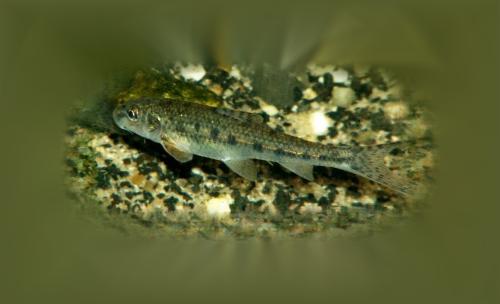
- Gudgeon
- Human Flea
- Dog Flea
- Oriental Rat Flea
- Hen Flea
- Northern Rat Flea
- chigoe flea
- Hedgehog Flea
- new zealand bat flea
- Martin Flea
- cat flea
- Ceratophyllus farreni
- Chaffinch Flea
- Rabbit Flea
- Mouse Flea
- sticktight flea
- Squirrel Flea
- Sparrow Flea
- Amalaraeus dissimilis
- Northern Flea
- Ceratophyllus chasteli
- wild boar
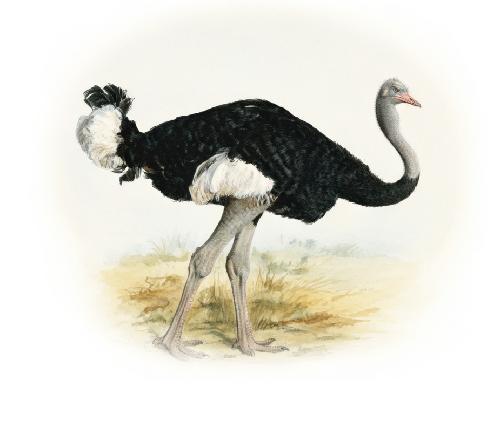
- somali ostrich
- Bed bug
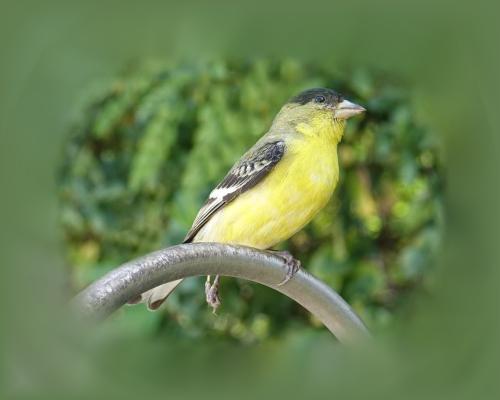
- eurasian siskin
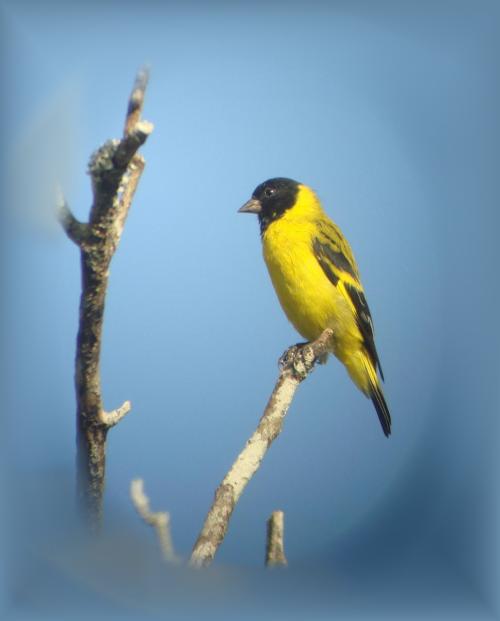
- Black-headed Siskin
- olivaceous siskin
- eurasian siskin
- eurasian siskin
Find your most suitable archetypes
Archetypes are facets of personality and behaviour: sometimes a hamster, sometimes a lion. Take a test for yourself, a friend or a pet.