






















The “quagga” archetype
Cultural context
Across the sweeping grasslands of Africa, the Burchell’s zebra has been celebrated in Persian and Indian courts, carved on Japanese sword guards, and stitched into the felt tents of Central Asian herdsmen. Mongolian riders traced its racing stripes as a sign of endurance; Celtic bards sang of its bold gait; and the long steppe roads of Turkic and Russian nomads carried its image like dust on the wind. In every one of these traditions the animal’s coat of bold lines is read as a living map of survival and of the honest distance kept between each traveller and the next.
Scales
Wherever the Burchell’s zebra is remembered, prestige is the prize, yet it is won by the steady trot rather than the short burst. Vitality flows like a deep current under the skin, carrying the animal from one water-hole to the next. Its spirit turns toward an inner bond with sky and grass, while humour flickers in the sudden flick of ears. Athletic limbs mark its presence, and its stride carries the unhurried assurance of one who moves with others yet never loses its own measure.
Core traits
Vitality runs through the Burchell’s zebra like summer lightning across open plains. It gathers speed with every stride, pulling companions into motion, yet the same fire can burn out before the horizon is reached. The animal charges forward with quick hooves and bright eyes, scattering dust and fatigue alike, then may halt mid-gallop, leaving the dust to settle alone.
Strong traits
Honesty and loyalty keep the Burchell’s zebra in the same column through wind and drought; diligence shows in the unceasing search for new grass; dominance appears when it shoulders its way to the front of the herd. Courage carries it between lion and foal without a backward glance, resilience lets it rise again after a stumble, and pride holds its head high even when the wind flattens its mane. Kindness surfaces in the gentle nuzzle given to a tired foal at the end of the day.
Noticeable traits
Fertility scatters new paths across the plain, while wisdom reads the shifting colour of distant thunder. Recklessness sometimes sends the zebra leaping over thorn where a slower step would serve, and independence keeps one animal walking a short distance apart from the others. Stubbornness shows in the refusal to turn back even when the grass ahead has already been cropped short.
Muted traits
Cowardice appears now and then as a sudden halt at the edge of a dry river-bed; rudeness cuts the air with a sharp snort when another animal presses too close. Stupidity can send the zebra circling the same thorn bush twice before noticing the gap that leads to open ground.
How to be around
The Burchell’s zebra answers best when its pace is matched rather than redirected. Watch how the stripes shift under changing light, and let your own rhythm fall into step with that pattern before offering any suggestion.
With a woman
A woman whose spirit carries the stripe of the Burchell’s zebra moves quickly into new tasks, yet she may turn aside before the finish line. She freezes at safe thresholds when a faint caution warns her away, and her words can strike like a sudden hoof-beat. She follows prestige the way a mare follows the first scent of water, so offer her visible progress and room to choose the next stretch of trail.
With a man
A man of the same pattern speaks plainly even when the truth scrapes, and he stays fixed on a path once he has chosen it, sometimes missing the side trail another might see. His attention turns readily to closeness and pairing; he prefers to settle matters without outside direction. Ask him directly what he intends, then stand back while he finishes the thought.
With a teenage boy
A teenage boy who carries these stripes holds fast to his friends yet finds it hard to leave old habits behind. He draws strength from long runs across open ground and may bristle if his pace is questioned. Let him set the distance for the day’s walk, and listen when he names the next landmark.
With a teenage girl
A teenage girl keeps working long after others rest, then suddenly risks a leap that leaves everyone catching breath. She searches for a meaning that feels larger than the day’s chores and will give her own rest to another without being asked. Offer her a quiet patch of shade and the chance to name what she hopes the next sunrise will bring.
With a child
A child likes to arrange sticks into a temporary fence and then declare who may pass. From experience already gathered the child knows which corner of the yard holds the coolest shadow, yet sometimes waits too long before deciding to move. Let the child choose the order of play and the moment when the game ends.
With an animal
An animal of the plains zebra line will stand between a perceived threat and the rest of the herd even when the danger is only shadow. It shares its energy freely and may overgraze one patch before moving on. Give it firm footing, steady water, and space to test its own strength without an audience.
After a quarrel
The Burchell’s zebra meets interference with a sudden lift of the head and a stiffening of the stripe along its back. A woman turns cold if her lead is questioned while she is already moving; a man answers sharply when his plan is rearranged in public; a teenage boy stamps when his loyalty to an old friend is mocked; a teenage girl withdraws when her careful order is scattered; a child cries out if the toy it has just placed is taken away; an animal kicks when its daily route is blocked without warning.
How to befriend
The Burchell’s zebra returns loyalty shown in small, repeated acts: the same greeting at the same hour, the same place left open at the trough. A woman draws closer when her recovery from a setback is quietly noted; a man stays near when his judgment is trusted without further proof; a teenage boy offers company once his choice of path is accepted; a teenage girl softens when her questions are met with real answers; a child stays close if its small discoveries are celebrated; an animal rests easier when the fence line never changes.
Similar archetypes
Close facets: images with a similar set of qualities.
Complete opposite
The opposite facet: images whose qualities point the other way.
- Black widow spider
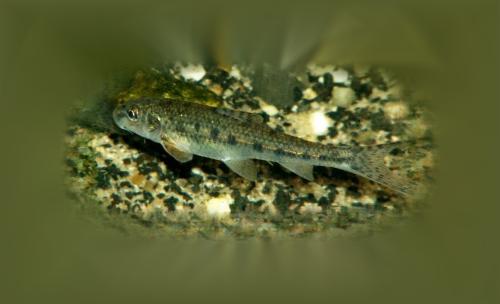
- Gudgeon
- Human Flea
- Dog Flea
- Oriental Rat Flea
- Hen Flea
- Northern Rat Flea
- chigoe flea
- Hedgehog Flea
- new zealand bat flea
- Martin Flea
- cat flea
- Ceratophyllus farreni
- Chaffinch Flea
- Rabbit Flea
- Mouse Flea
- sticktight flea
- Squirrel Flea
- Sparrow Flea
- Amalaraeus dissimilis
- Northern Flea
- Ceratophyllus chasteli
- wild boar
- somali ostrich
- Bed bug
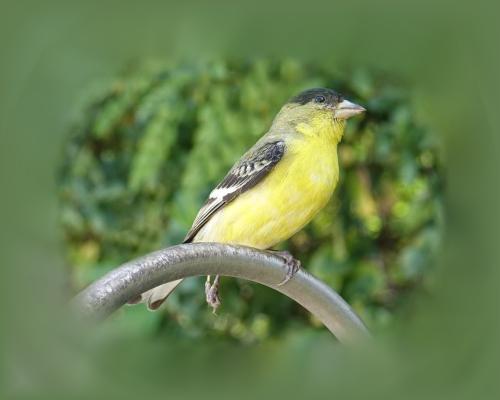
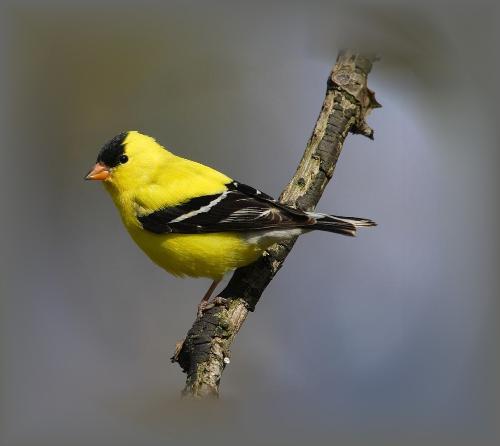
- eurasian siskin
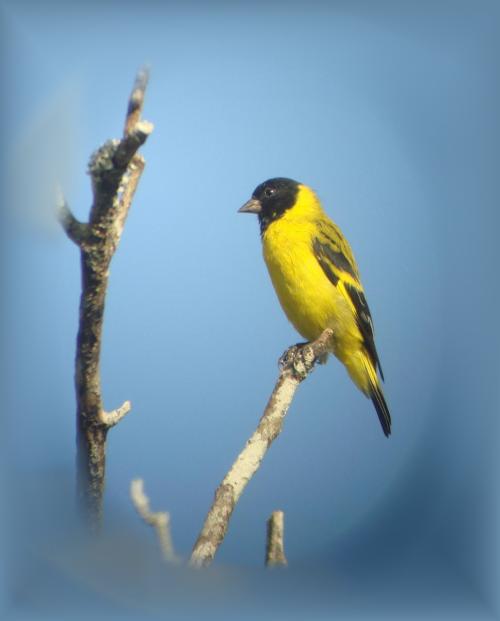
- Black-headed Siskin
- olivaceous siskin
- eurasian siskin
- eurasian siskin
Find your most suitable archetypes
Archetypes are facets of personality and behaviour: sometimes a hamster, sometimes a lion. Take a test for yourself, a friend or a pet.