





















The “quagga” archetype
Cultural context
Burchell's zebra runs through the banners of European heraldry, its bold stripes a living emblem of lineage and standing. In the tents of Central Asian nomads the same black-and-white pattern becomes the living map of endurance across wind-scoured steppes, while Persian miniatures catch its gait as a banner of swift movement across dawn-lit plains. Scandinavian sagas set its hoofbeats against the roar of fjord winds, turning the animal into a living figure of liberty and open horizons. Celtic knot-work, Japanese ink screens and Mongolian felt hangings all keep the zebra as a mark of individual pattern amid the herd, a creature that wears its own markings without apology.
Scales
Across these traditions the zebra stands at the meeting of prestige and endurance, its coat a constant reminder that reputation is earned through visible stamina. The pattern itself suggests an inward search for order, a quiet attention to the rhythm that keeps the herd alive, while the bright flash of its run embodies quick laughter in the dust and sunlight. Physical power shows in every stride across open ground; company is sought yet never clung to, and the mind pauses often to weigh the next move rather than rushing blindly forward. Loyalty to pattern and custom sits lightly beside a willingness to step into the new grass when the season turns.
Core traits
A river of energy moves through the Burchell's zebra from the first light of day, quickening the herd to new pastures before the sun has fully cleared the horizon. The animal begins every journey with the same sudden lift of the head and the same ringing snort that spreads through the others like a spark across dry grass. Yet the same current can fade as quickly as it rises, leaving the zebra standing still while the plain still stretches ahead, its attention already drifting toward another horizon.
Strong traits
Straight words and steady steps mark the Burchell's zebra wherever it travels. It meets the gaze of another without turning aside, and the herd learns to trust the animal whose direction never wavers from sunrise to sunset. Every stride is measured, every choice carried through even when the wind carries the scent of rain and the promise of easier ground. When danger rises the zebra places itself between the threat and the foals, its courage loud in the drumming of hooves yet never blind to the line between safety and pride. The same strength that holds the group together can also close around its own will, refusing both rest and offered help until the body itself rebels.
Noticeable traits
New grass springs where the Burchell's zebra pauses, its presence drawing life from dry earth the way a sudden shower wakes seeds. Experience has taught it which paths lead to water and which only circle back on themselves, yet the same memory sometimes holds it to the old trail long after a fresher one appears. Bold leaps across thorn and stone open fresh ground, and the animal rarely asks permission before it takes them; the herd follows only when the dust has settled and the risk is already taken. The zebra moves alone when it must, its own counsel enough, and will not turn aside from a chosen direction even when the rest of the herd begins to graze elsewhere.
Muted traits
A sudden stillness can fall over the Burchell's zebra when the grass whispers of unseen movement, its body poised between flight and the need to lead. Words between herd members are few and sharp when the sun is high and patience is short. Now and then a misstep carries the animal into thorn or marsh before the eye has truly measured the ground, and the lesson arrives only after the sting.
How to be around
To live beside the Burchell's zebra one must learn the rhythm of sudden starts and quiet recoveries, never demanding that the animal remain in one place or one mood. Offer clear ground for movement and clear answers when questions rise; the rest is best left to the animal's own sense of when to run and when to stand.
With a woman
A woman whose temper carries the quick spark of the zebra will throw herself into a new venture with the whole morning in her voice, yet she may leave the later details scattered like dropped halters. She hesitates at the edge of a decision not from fear but from an old habit of guarding what little safety she has claimed. Speak to her without circling the point; she will value the plain sentence even when it stings, and the sting itself will pass sooner than any careful wrapping of words.
With a man
A man who carries the zebra's directness will answer a question before the questioner has finished speaking, and the answer will be the whole truth as he sees it. Once he has set his course he will follow it through dust and darkness, even when the wiser path turns aside. He may misjudge a turning purely because he trusts his first sense of the ground, yet he will accept the correction only after he has tested it himself. Offer him company that asks nothing of his pace, and he will remember the silence beside him longer than any advice.
With a teenage boy
A teenage boy who moves like the young zebra will stand at the edge of the herd and still answer the call of a friend in trouble before the dust has settled. He carries his own counsel easily and resents any hand that tries to guide it, yet he will keep faith with those he has once accepted as his own. Let him test his strength in open country rather than in argument; the argument will come anyway, and it will be sharper if the day has already given him room to run.
With a teenage girl
A teenage girl whose days follow the zebra's measured rhythm will return to a task long after others have set it aside, her hands steady even when the light fades. The same steadiness can carry her too far before she notices the weight she has taken on. She looks for a larger pattern in the small events around her and will give what she has if the need is real, though she rarely speaks of the cost. Ask her to name what matters most before she offers her help again, and the help will arrive clearer and lighter.
With a child
A child whose spirit runs with the zebra's will set the rules of every game and expect the others to keep them, yet the same child will pause to explain why the rule exists if asked. The play itself is serious work; laughter comes between the moves rather than instead of them. Leave room for the child to choose the next path on a walk, and the walk will become a shared story instead of a line of orders.
With an animal
An animal whose blood remembers the open plain will answer danger with one explosive turn and a sudden flight that leaves the dust hanging in columns. The same body that can outrun a threat will also stand between that threat and anything smaller that travels beside it. Give it open space and the chance to choose its own resting ground; the trust that follows will be quiet and lasting, shown in the simple act of remaining near rather than in any display.
After a quarrel
The Burchell's zebra meets conflict when its right to set direction is taken from its own mouth or when the order it has built is treated as suggestion rather than fact. A woman feels the weight of new duties laid across her back without warning and answers with a silence that grows heavier the longer it lasts. A man hears his judgment questioned while the herd is still moving and meets the doubt with a flat stare that ends conversation. A teenage boy flares when his loyalty to a friend is mocked as stubbornness, while a teenage girl turns away when her careful work is treated as something that can be rushed or redone. A child withdraws when the game they began is taken over by louder voices. An animal stamps and wheels when a stranger steps between it and the route it has already chosen.
How to befriend
The Burchell's zebra answers friendship with the same steady return that follows a long run: it comes back to the same ground, not because it must, but because the place has proved safe. A woman stays near when her efforts are met with simple recognition rather than fresh tasks. A man keeps company with those who let him finish his own sentences and do not offer rescue before he asks. A teenage boy draws closer after shared work that leaves both tired and silent. A teenage girl remembers the friend who noticed when she needed rest and said nothing more than a quiet invitation to stop. A child trusts the adult who keeps the small promises made during play. An animal settles when its chosen corner remains untouched and the hand that feeds it never reaches to hold it still.
Similar archetypes
Close facets: images with a similar set of qualities.
Complete opposite
The opposite facet: images whose qualities point the other way.
- Black widow spider
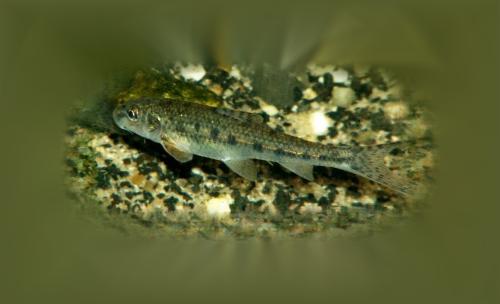
- Gudgeon
- Human Flea
- Dog Flea
- Oriental Rat Flea
- Hen Flea
- Northern Rat Flea
- chigoe flea
- Hedgehog Flea
- new zealand bat flea
- Martin Flea
- cat flea
- Ceratophyllus farreni
- Chaffinch Flea
- Rabbit Flea
- Mouse Flea
- sticktight flea
- Squirrel Flea
- Sparrow Flea
- Amalaraeus dissimilis
- Northern Flea
- Ceratophyllus chasteli
- wild boar
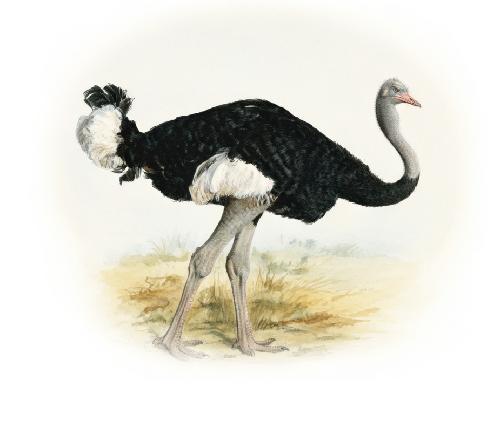
- somali ostrich
- Bed bug
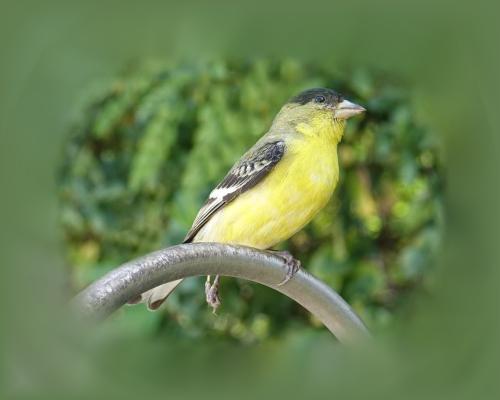
- eurasian siskin
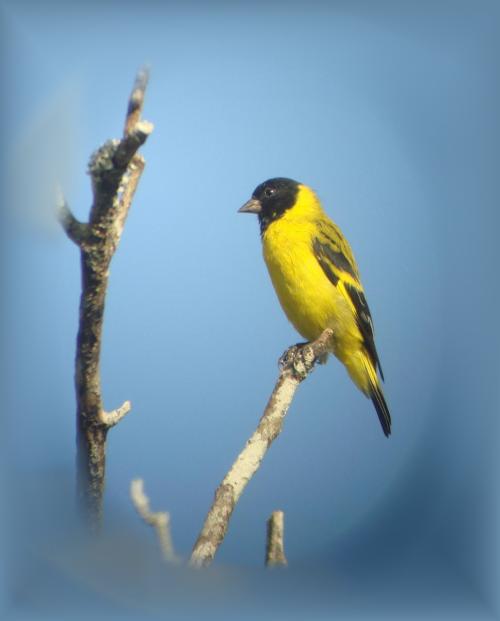
- Black-headed Siskin
- olivaceous siskin
- eurasian siskin
- eurasian siskin
Find your most suitable archetypes
Archetypes are facets of personality and behaviour: sometimes a hamster, sometimes a lion. Take a test for yourself, a friend or a pet.