









The “Yak” archetype
Cultural context
Across Tibet, Mongolia and the high steppes of Central Asia, the yak is less a herd animal than a member of the household. It hauls loads over passes where a horse would balk, and it gives milk, butter, wool for tents and fuel for the fire. Herders measure a winter by how many of their yaks come through it, so the animal has become shorthand for staying power and for something solid to lean on when the weather turns. Where people live with so little margin, strength that doesn't flinch is worth more than any display, and the yak embodies it: slow, heavy, unhurried, and still standing the morning after the blizzard.
Scales
Read through its strong poles, the yak is a creature of rank and stamina. It wants its place in the herd and the respect that goes with it, and it has the body to hold that place: broad, strong, built for altitude. Discipline comes naturally, and so does a kind of mountain curiosity, a willingness to try an unfamiliar slope. It is sociable, even playful in company, and it carries a quiet seriousness about what the world means. It gives of itself to those it belongs to. Only tradition sits lightly on it; the yak will wander off the old path if it finds a better one, without apology and without ceremony.
Core traits
Resilience is the bedrock of this animal. Knock a yak down and it gets up with the lesson already absorbed; lose a season's grazing and it turns the loss into know-how for the next one. Misfortune does not break it into pieces. It simply keeps walking, the way a mountain keeps standing, and other creatures end up sheltering in its lee. The shadow side is just as plain: it is very bad at stopping. It will push on past the sensible moment, refuse to call a defeat a defeat, and carry on long after a wiser animal would have dropped the load and sat down.
Strong traits
Dominance, fertility, loyalty and kindness make up the second tier of the yak's character, and they pull in different directions. Dominance gives it the habit of taking charge and arranging the space around it, which is a gift in a crisis and a burden for anyone whose opinion gets drowned out. Fertility is the urge to hand out energy and start new things, so it tends to take on too many at once. Loyalty keeps it beside its people through hard years, though it can cling to the past and find change hard. Kindness forgives easily and forgets its own limits, which is exactly how generous animals end up used.
Noticeable traits
Honesty is how the yak earns trust: it says what it means, does what it said, and you always know where you stand. The same directness has an edge. It cannot soften a hard truth, and smoothing things over for the sake of diplomacy feels to it like a small lie. People who are not ready for plain words may feel struck by them, and relationships that need delicate handling ask for more finesse than the yak keeps in stock.
Muted traits
Roughness runs fainter in the background, a low note rather than a theme. It shows up as impatience with ceremony: the yak would rather say the blunt thing and get on with the job than dress it up. That bluntness serves the truth and clears away fuss, yet it keeps some people at arm's length, and a yak that bristles too often can find itself alone on the slope with its opinions, wondering why the company thinned out. Mostly it is harmless; now and then it costs a friendship.
How to be around
How do you get along with a yak? Start from what it is: a heavy-duty, loyal, plain-spoken creature that does not complain and does not ask. It will shoulder whatever is put on it, so the real skill lies in noticing the load, lightening it when you can, and speaking to it as directly as it speaks to you. Nobody has ever won a yak over by being clever. Being reliable works much better.
With a woman
A woman-yak is the one already carrying everyone else, so share the load before she has to ask. Notice what she handled this week and name it: "You kept the whole house running while it froze outside, and I saw that." Then pick up one of her chores and do it your way without asking permission. Kindness like hers rarely says no, which means you must be the one to say it for her now and then: "Sit down, I've got this one."
With a man
With a man-yak, put the decision where it belongs: with him. Tell him the goal and the deadline, ask how he would take the road, and then step back. Dominance in him is not arrogance; it is a need to steer, and he works best when he is steering toward something he has chosen. If you disagree, say so once, plainly, with a reason, the way he would. He listens to straight talk and ignores hints entirely.
With a teenage boy
A teenage boy-yak burns his energy through the body, so give it somewhere to go: a climb, a woodpile, a wrestling mat, a bike that needs fixing. Compliment what he has done in front of others, because status matters to him more than he admits. When he gets sullen, don't ask how he feels; ask him to help you carry something. Words come after the work, usually at the tailgate, usually in half a sentence.
With a teenage girl
Straight talk is the language of a teenage girl-yak: she says exactly what she thinks and expects the same from you. Skip the soft preamble. If she is wrong, tell her which part and why; if she is right, admit it quickly, because she keeps count. Keep every promise, even small ones such as a lift or a phone call, and she will gradually trust you with the thing she has been holding back.
With a child
Give a child-yak a real job. A small one will do, as long as it is genuinely needed: feeding the hens, carrying the bread, holding the end of the rope. He takes duties seriously and has no patience for pretend ones. Praise him when the task is finished, not when it is begun, and when he goes quiet and starts to sag, say it is time to rest. He will take it better from you than from his own body.
With an animal
With an animal-yak, keep your word first: if you promised a quiet field or an hour without being touched, deliver it. Move at walking pace, let it see your hands, and offer a handful of grain before you ask for anything. Check its water and its hooves often; it will not complain about either. In return you get a creature that remembers who was dependable and walks beside you without a lead.
After a quarrel
If you want to quarrel with a yak or get under its skin, pretend not to see the load it is hauling, move its things without asking, and contradict it in front of other people. A woman-yak snaps when her kindness is treated as an entitlement. A man-yak turns to stone when his call is overruled for no reason. A teen boy-yak erupts if he is talked down to; a teen girl-yak, if you answer her bluntness with a sweet lie. A child-yak sulks when his seriousness is laughed at, and an animal-yak loses patience when it is startled awake or driven off its patch.
How to befriend
To befriend a yak or win it over, show up when you said you would and mean what you say; loyalty impresses it more than charm. Share a task with a woman-yak and let her see you finish it. Argue a point plainly, man-yak style, and he'll respect you for it. Take the boy-yak on a long walk, tell the girl-yak the unvarnished truth, build something with a child-yak, and beside an animal-yak simply sit near it at dusk until it stops watching you.
Similar archetypes
Close facets: images with a similar set of qualities.
Complete opposite
The opposite facet: images whose qualities point the other way.
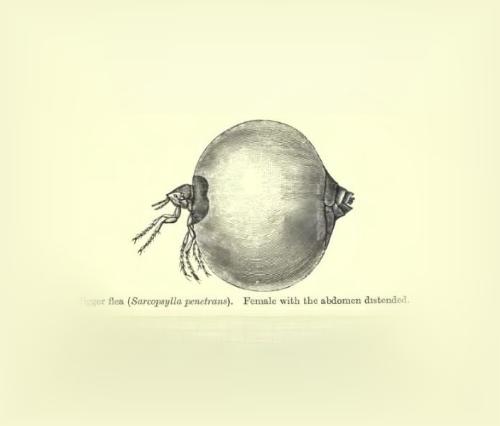
- Black widow spider
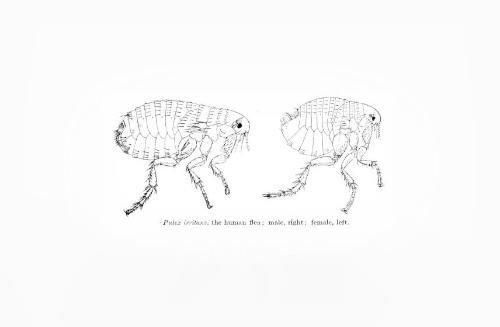
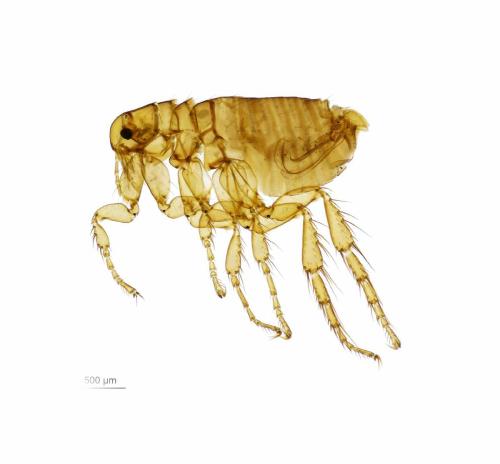
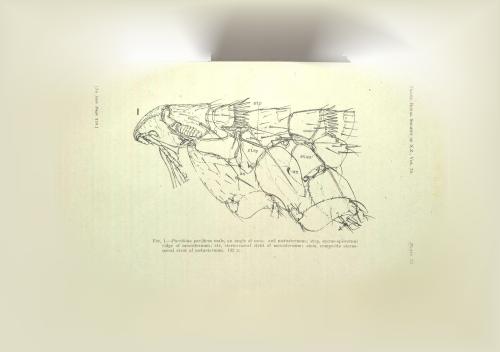
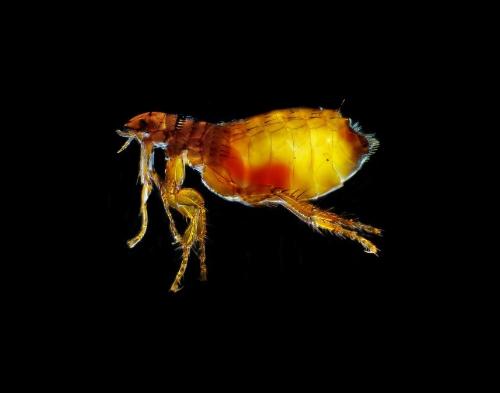
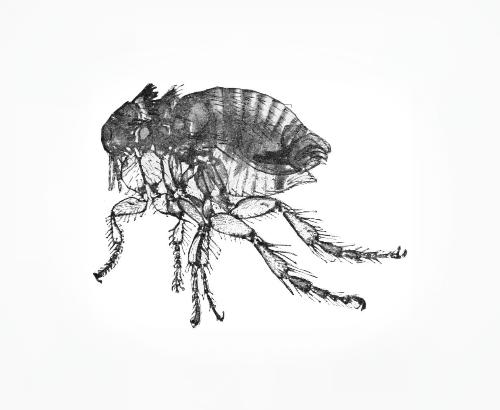
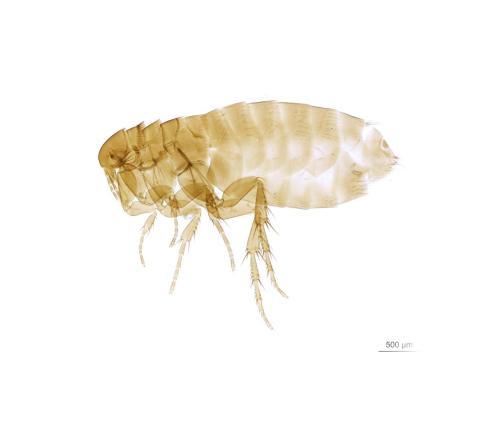
- Human Flea
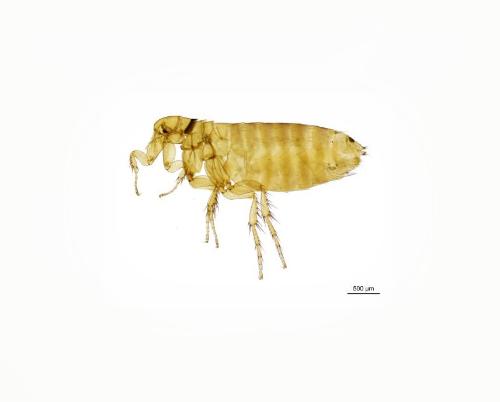
- Dog Flea
- Oriental Rat Flea
- Hen Flea
- Northern Rat Flea
- chigoe flea
- Hedgehog Flea
- new zealand bat flea
- Martin Flea
- cat flea
- Ceratophyllus farreni
- Chaffinch Flea
- Rabbit Flea
- Mouse Flea
- sticktight flea
- Squirrel Flea
- Sparrow Flea
- Amalaraeus dissimilis
- Northern Flea
- Ceratophyllus chasteli
- Golden Jackal
- Bed bug
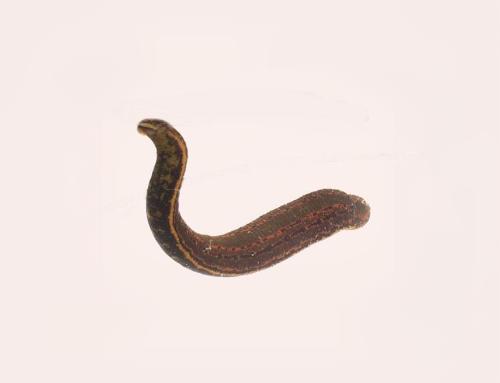
- Leech
- Piranha
- Cockroach (domestic, red)
Find your most suitable archetypes
Archetypes are facets of personality and behaviour: sometimes a hamster, sometimes a lion. Take a test for yourself, a friend or a pet.