















The “Nautilus” archetype
Cultural context
The chambered nautilus glides through midnight waters, its pearly spiral a slow-burning record of centuries, while the living creature within moves from chamber to chamber like a scholar turning pages older than any library. Light filters down in faint shafts, touching the shell’s nacre and returning as a pale glow that seems to come from the creature’s own memory rather than the sun. No human story claims it as ancestor or herald, yet its steady presence lingers in every culture that respects slow time and hidden depth, a creature that carries its own history without trumpets or thrones.
Scales
Tradition sits in its chambers like incense in a stone crypt, a reverence for what has already been carved rather than what might yet be invented. Eternity and autonomy move together, letting the nautilus ignore the surface rush while it builds its next room at its own pace. Spirituality and aesthetic sensitivity keep its gaze fixed on the curve of its own shell and the faint pulse of the water, while a marked intellect measures each new space against centuries already lived. Conscientiousness shows in the perfect sealing of every chamber, and a touch of emotional reserve keeps its decisions private, even as a faint bodily awareness registers the cool pressure of the deep.
Core traits
Spirituality flows through the nautilus like a current that never breaks surface; it searches the dark for meaning the way a diver searches for lost light, turning each sensation into a quiet question about the shape of existence itself. Daily movements become ceremonies: the slow drift between chambers, the precise sealing of yesterday’s room, the faint echo of water against nacre. Yet this inward focus can leave the creature oddly distant from the bright, immediate needs of the reef, content to let practical matters drift past like fragments of weed.
Strong traits
The diver in it plunges past easy answers, lingering in the cold layers where problems reveal their hidden joints, though the same habit sometimes holds it motionless while opportunity swims by. Endurance runs through every added chamber, letting the nautilus weather storms that would shatter lighter shells, yet the same patience can make it hesitate when the moment asks for quicker change. Independence keeps its spiral self-contained; it needs neither school nor signal to choose its next direction, and the price of that freedom is a certain solitude among the drifting crowd.
Noticeable traits
Simplicity guides the nautilus toward what is essential: a new chamber, a sealed door, the next slow breath of water. It sheds ornament the way it sheds an old room, keeping only the curve that works. Secrecy wraps each decision in mother-of-pearl, hiding plan and feeling alike until the creature is ready to be seen, and that same silence can make trust slow to form between shell and open sea.
How to be around
Approach the chambered nautilus as you would an old tide pool: wait for the water to settle, speak softly, and let the creature reveal its own timing before you reach in.
With a woman
A woman shaped like a chambered nautilus listens for the long echo in any conversation, hearing beneath the words the question of what will still matter when the tide turns again. She will sit with another’s grief until the feeling finds its own name, yet the same attention can leave laundry unfolded and supper forgotten. Offer her time rather than tasks; let the evening stretch while she weighs an old hurt against tomorrow’s weather, and she will eventually surface with an answer that already carries tomorrow inside it. Play invites her rarely, and when it does it arrives as a private smile rather than shared laughter, while any hint of open defiance feels to her like a crack in the shell she has spent years polishing.
With a man
A man of the same pattern will disappear for hours into a single problem, tracing its hidden joints the way the nautilus traces the inside of its newest room. He prefers to finish the thought before he answers the door, and the strength he carries is quiet rather than loud, more like pressure than display. Ask nothing urgent while he is still submerged; when he returns he will bring the solution already fitted to the space it must fill. Nearness draws him only after the work is set aside, and even then the approach stays measured, the touch of one who remembers exactly how much weight a new chamber can bear.
With a teenage boy
A teenage boy who moves like a chambered nautilus will linger over one difficult book while the rest of the house empties for the weekend. He treats each new idea as a room that must be sealed before the next is begun, and he resents being hurried toward a conclusion that still feels porous. Let him finish the chapter, even if supper grows cold; the patience he learns now will later become the slow certainty that steadies others. He keeps his rebellions small and private, a single altered line in an otherwise traditional argument, and he values the quiet order of his own shelves above any borrowed spotlight.
With a teenage girl
A teenage girl of this kind carries her independence like a second shell, polished but closed. She will spend an afternoon arranging her thoughts the way the nautilus arranges its chambers, and she does not welcome an audience while the work continues. Offer a single clear question rather than a stream of suggestions; the answer she finally gives will already have been tested against years she has not yet lived. Her warmth appears in small, exact gestures—a corrected footnote, a door held open—and she expects the same precision in return, measuring friendship by how little it demands of her private tide.
With a child
A child who shares the nautilus’s sense of proportion will spend an entire morning turning a single shell in the light, tracing its spiral until the pattern feels familiar in the hand. Simple objects hold more wonder for this child than complicated toys, and the beauty of the curve can occupy attention longer than any game. Give the shell back when it is asked for; the child is not hoarding but completing a private inventory. Generosity shows in the careful passing of the object to someone else once the study feels finished, and curiosity extends easily toward whatever new texture or color appears at the edge of the known world.
With an animal
An animal of this lineage keeps to the lower ledges of the tank, its shell half-hidden among stones, emerging only when the water has been still for a long time. It follows the same route each evening, a living habit older than any training, and it will not accept food from an unfamiliar hand until the scent has settled into the current. Leave the route unobstructed and the hand patient; trust grows in the space between one slow circuit and the next. The shell itself becomes both armor and archive, carrying yesterday’s temperature into tonight’s water without a single wasted motion.
After a quarrel
Disagreement with a chambered nautilus begins when someone mistakes its measured pace for hesitation or its silence for agreement. The quarrel deepens if the other voice insists on immediate answers while the nautilus is still listening to older water. A woman will withdraw behind an unfinished thought rather than repeat herself; a man will close the newest chamber and refuse to reopen it until the pressure outside equals the pressure within. A teenage boy meets interruption with a stare that lasts exactly as long as the unfinished paragraph; a teenage girl answers pressure with a colder, perfectly polite sentence that ends the subject. A child stops offering the shell for inspection and keeps both hands occupied elsewhere. An animal simply ceases its evening circuit, leaving the upper water undisturbed and the offered food untouched until the stranger has gone.
How to befriend
Friendship with a chambered nautilus grows through repetition rather than revelation: the same greeting at the same hour, the same respect for an unfinished sentence. A woman remembers the exact phrasing of an earlier kindness and returns it weeks later without announcement; a man offers a single, well-placed fact that solves a problem you had not yet named. A teenage boy will share the marginal note he has been revising for days if the listener does not rush to the next page. A teenage girl accepts company most easily when both sit in silence, each occupied with separate work. A child offers the shell for a brief, careful turn in another’s hand and then asks for it back without explanation. An animal learns the scent of one steady presence and will, after many slow circuits, allow that presence to remain while it feeds.
Similar archetypes
Close facets: images with a similar set of qualities.
- Tuatara
- Spotted salamander
- Ball python
- Star tortoise
- Green sea turtle
- Matamata
- Pearl oyster
- Japanese giant salamander
Complete opposite
The opposite facet: images whose qualities point the other way.
- somali ostrich
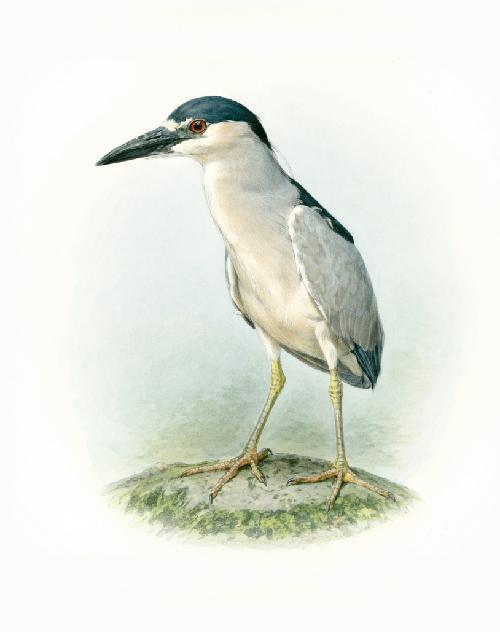
- black-crowned night heron
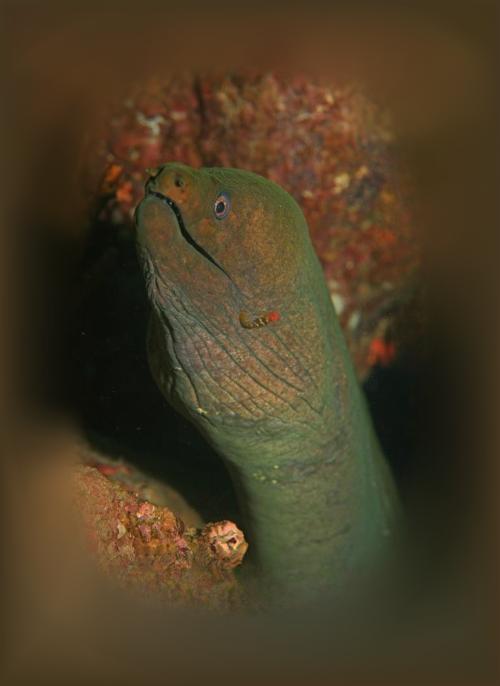
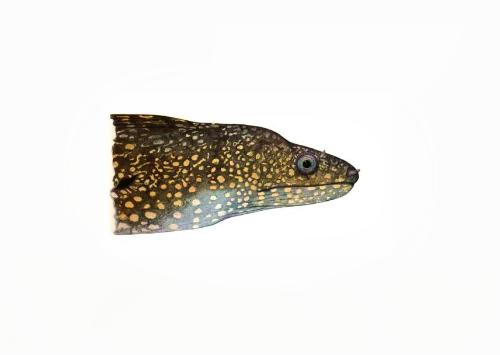
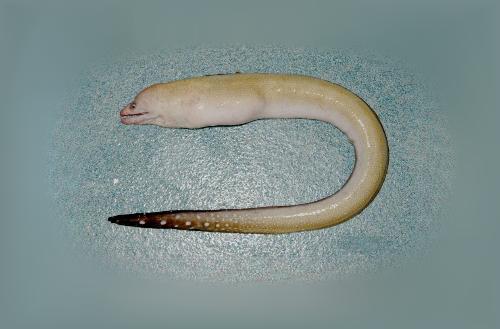
- laced moray
- eel
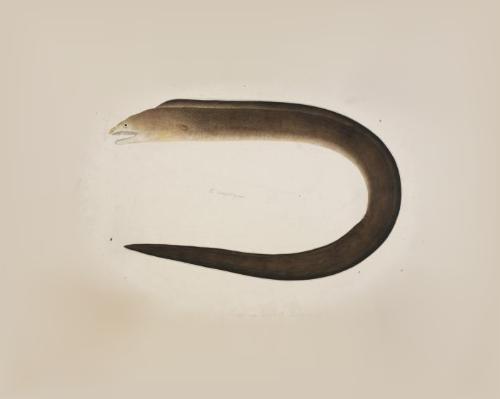
- dark moray
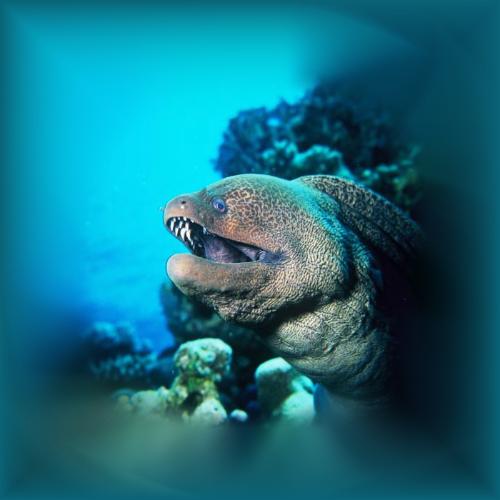
- giant moray
- congo
- freshwater moray
- greek
- sharktooth moray
- conger
- bastard eel
- chestnut moray
- honeycomb moray
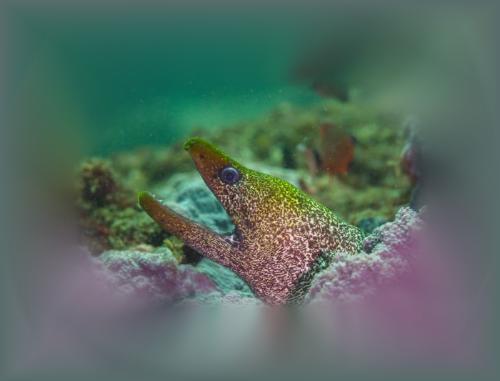
- undulated moray
- speckled moray
- blackedge moray
- polygon moray
- Rüppell's moray
- blacktail moray
- hepatic moray
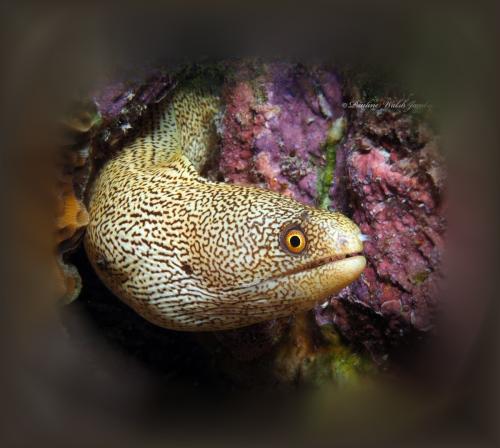
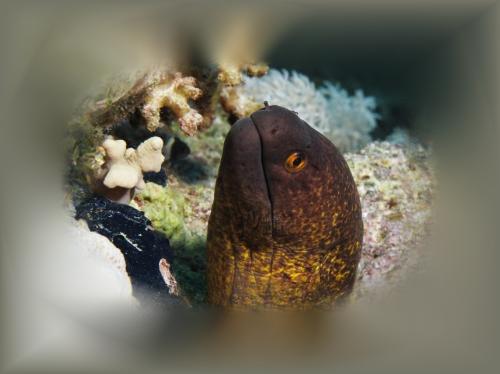
- Yellow-edged moray
- Human Flea
- Dog Flea
- Oriental Rat Flea
- Hen Flea
- Northern Rat Flea
- chigoe flea
- Hedgehog Flea
- new zealand bat flea
Traits and their opposites
Each trait of this archetype — and what is opposite to it.
- Resilience ↔ Fragility
- Spirituality ↔ Pragmatism
- Simplicity ↔ Sophistication
Find your most suitable archetypes
Archetypes are facets of personality and behaviour: sometimes a hamster, sometimes a lion. Take a test for yourself, a friend or a pet.