








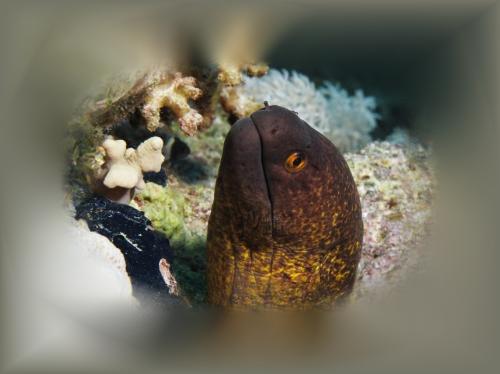










The “Spotted salamander” archetype
Cultural context
The spotted salamander moves through damp soil like a slow shadow, its yellow spots glinting when light catches the tunnel mouth. In the places where people once watched the earth crack and water rise, this creature became a living reminder of what stays hidden yet keeps the balance. Its rhythm follows the same turning of seasons that shapes old fields and quiet gardens, and its presence suggests that strength grows best in silence, layered like leaf mold over generations. Traditions note its disappearance each autumn and return each spring with the first heavy rains, as if the ground itself remembers what needs protection and what can wait.
Scales
Within these older ways of seeing, the salamander carries the weight of things set apart: a damp stone that still holds the warmth of the day before, a pool that no foot has stirred. Its movements speak of staying whole without witnesses, of finding a path through darkness that belongs only to itself. The creature feels the long thread of custom and lets it guide its steps, never breaking the circle it inherited. It stays close to the slow turning of soil and root, carrying forward what it has gathered and guarding it with the same patience that keeps a single egg safe through winter.
Core traits
The salamander settles into the middle ground between two banks of a stream, where the current slows and the water warms. It brings opposing forces into one current without forcing them to match, letting each side keep its own shape. When the banks begin to crumble, it lingers long enough to let the edges meet again, even if the meeting takes the whole night. Its gift is the quiet that follows after the water has found its level, though sometimes that quiet lasts past the moment when the banks need to be rebuilt.
Strong traits
Deep inside its tunnel the salamander listens for the faint pulse of water moving through clay, reading the hidden life of the ground as one might read the rise and fall of breath. It builds a small chamber lined with leaves that have already begun to soften, a place that holds both the memory of its own young and the promise of the next clutch. Every fragment of food it finds is pressed into the clay walls, set aside for the weeks when nothing new will grow. It stays in that chamber through drought and frost alike, emerging only when the ground loosens again, carrying the same steady purpose that guided its first descent.
Noticeable traits
The salamander spends its days inside cool, narrow passages where sound travels only as a low vibration through the walls. It keeps its movements small and measured, leaving almost no trace on the surface above. When another creature passes nearby, the salamander draws deeper into the earth rather than meet the light or the open air, letting the darkness close over its back like a second skin.
How to be around
Approach the spotted salamander by matching its pace and staying near the edge of its chosen ground. Watch how the light moves across the soil before you move your own shadow across it, and let the quiet between your steps last as long as the pause between its own movements.
With a woman
When a woman steps into the role of the salamander, she often smooths the sharp edges of a disagreement before anyone else notices the tension rising. She may let an important choice rest a little longer than others wish, trusting that the right moment will show itself. Her hands stay busy with small, steady tasks that keep the household running without drawing attention to her own tiredness. She will not ask for praise when the day ends, content if the space around her feels settled and the voices inside it have found their ordinary rhythm again.
With a man
A man who carries the salamander’s depth spends long stretches turning a single question over in his mind until its shape becomes clear. He prefers to work through the question alone, coming back to the rest of the household only when he has found the thread that ties the pieces together. In conversation he listens for the feeling beneath the words, and if he offers an answer it arrives quietly, shaped by the hours he has already spent weighing what was said and what was left unspoken.
With a teenage boy
A teenage boy with the salamander’s loyalty builds his own corner of the house, a place where he keeps the things that matter to him without needing to explain their value. He stays close to the people he trusts, yet he draws a clear line when someone steps too near that corner. He respects the older stories that still shape the family’s habits, even when he questions how they fit his own plans, and he will defend those stories more fiercely than he defends his own comfort.
With a teenage girl
A teenage girl who follows the salamander’s habit keeps a small collection of objects that remind her of seasons already passed: a dried leaf, a smooth stone, a note written years ago. She returns to these things when the day feels uncertain, letting their presence steady her before she faces what comes next. She moves carefully with her body, noticing how each gesture changes the space around her, and she rarely gives away what she has gathered until she knows it will be treated with the same care she gives it.
With a child
A child who shares the salamander’s patience watches a single drop of water travel down the window glass until it meets the frame. They will repeat the watching many times, content to let the same moment unfold again and again. When the household grows noisy, the child slips into the quietest corner and stays there, adding nothing to the commotion yet remaining part of the room’s steady rhythm.
With an animal
An animal spotted salamander rests inside a burrow that follows the same curve each season, its body fitting the packed earth as if the tunnel had been shaped around it. It emerges only when the air above has reached the right coolness, moving with the same unhurried steps that have carried it through every year before. It offers no show of welcome or refusal, yet its continued presence near the entrance signals that the space remains open to those who keep the same measured pace.
After a quarrel
The spotted salamander withdraws when its private arrangements are brought into the open or rearranged without its consent. A woman feels the balance she has kept between voices begin to tilt when someone insists on a louder argument. A man turns away when his careful ordering of tasks is interrupted by sudden demands for quick answers. A teenage boy closes the door to his corner if the older stories he protects are treated as small things. A teenage girl gathers her objects more tightly if they are handled without care. A child stops watching the slow movement of water when the room is filled with sudden noise. An animal retreats deeper into its burrow when the entrance is blocked or the ground above is struck too hard.
How to befriend
The spotted salamander accepts company that matches its own endurance and keeps its promises without flourish. A woman draws nearer when another person helps finish the day’s tasks without being asked and leaves the final choice of order to her. A man warms to a steady presence that waits through his long silences and does not press for an answer before he is ready. A teenage boy lets another share the corner when that person respects the older stories without trying to change them. A teenage girl offers a single object from her collection when she sees it will be returned unchanged. A child invites another to sit beside the window if the watching can continue without interruption. An animal stays near the entrance when the visitor sits still and lets the cool air move between them.
Similar archetypes
Close facets: images with a similar set of qualities.
Complete opposite
The opposite facet: images whose qualities point the other way.
- laced moray
- eel
- dark moray
- giant moray
- congo
- freshwater moray
- greek
- sharktooth moray
- conger
- bastard eel
- chestnut moray
- honeycomb moray
- undulated moray
- speckled moray
- blackedge moray
- polygon moray
- Rüppell's moray
- blacktail moray
- hepatic moray
- Yellow-edged moray
- Bed bug
- Human Flea
- Dog Flea
- Oriental Rat Flea
- Hen Flea
- Northern Rat Flea
- chigoe flea
- Hedgehog Flea
- new zealand bat flea
- Martin Flea
Traits and their opposites
Each trait of this archetype — and what is opposite to it.
- Spirituality ↔ Pragmatism
- Resilience ↔ Fragility
Find your most suitable archetypes
Archetypes are facets of personality and behaviour: sometimes a hamster, sometimes a lion. Take a test for yourself, a friend or a pet.