












The “Panda” archetype
Cultural context
In China the giant panda has long stood for harmony, wisdom and happiness. It turns up in paintings, on porcelain and tableware, and in traditional rituals that wish a household peace and plenty, and its slow, unbothered way of moving through a bamboo grove is read as a lesson in contentment. People also see the panda as a guardian of the forest, one animal whose well-being says something about the balance of the whole natural world. To look at a panda is to be reminded that calm and good fortune tend to arrive together, and that a life lived without hurry can be a rich one, even when it is mostly spent eating.
Scales
Seen through the traditions that know it best, the panda's strengths lie in order and harmony: it makes peace the way water finds its level, without raising its voice. It has an eye for beauty too, the kind that notices green light through bamboo or the grain of old wood rather than anything showy. Agreeable by nature, it is patient with others, willing to cooperate, and quick to give up its own comfort when somebody needs help. Duty matters to it, and so does fairness, and it keeps its word without making a speech about it. A searching, inward streak runs underneath, a sense that life must mean something and that everything is somehow connected. Curiosity about new things comes easily, though it never turns into restlessness. The weaker pole is just as clear. The panda is reserved and not much of a performer, slow to push itself forward in company. Its vitality can seem fragile, its body unathletic, and when it feels threatened or unsure it tends to retreat and go emotionally cool rather than fight for its ground.
Core traits
Kindness and friendliness sit at the heart of the panda. It helps generously, forgives mistakes without keeping score, and slips into any group as if it had always belonged there. People feel warm around it almost at once. The trouble is that a creature this giving rarely draws a line. It says yes when it means no, waits for others' approval, and can be quietly used by anyone who notices how hard it finds refusing. Give and give long enough, and the warmth turns into exhaustion, and the panda is left empty-handed.
Strong traits
Calm, harmony and honesty give the panda a steady keel. When a room is tense it keeps a clear head and becomes the one person others can lean on, and its directness makes people feel they know where they stand. There is a cost, though. Its composure can slide into distance, so that a friend's big moment gets a polite nod instead of a shared heartbeat. In the name of peace it dodges arguments that should be had and lets decisions drift, and when the truth finally comes out it can land bluntly, without the cushioning a gentler soul would add.
Noticeable traits
Gluttony is the trait that stays mostly out of sight, but when it surfaces nobody misses it. The panda stockpiles, hunts down the tastiest thing in reach, and savors every mouthful. This hunger gives it enormous energy and quick growth. It also makes it blind to the word enough, so that a good appetite becomes a heap of too much.
How to be around
How should you treat a panda? Think of a calm river rather than a rapid. It is gentle and good-natured, and it answers best to warmth, steady manners and small, concrete kindnesses. Praise what it does well, keep your voice low, and let it see that you value its goodness; then its best side comes out without any coaxing.
With a woman
With a woman-panda, the useful question is how much she is already carrying. Ask it plainly, and take one of her jobs off the list before she asks you to. She will not say she is worn out, so watch for the quiet signs: shorter answers, a half-eaten lunch, a smile that arrives late. Then thank her for something specific she did, not for being nice in general.
With a man
A man-panda trusts people who are exactly what they seem, so be plain with him. Say the awkward thing early, in a few words, and then stop talking and let him think it over. He will come back with an answer that has been weighed, and often a kind one. Bring him a task with a clear shape and a deadline you will honor.
With a teenage boy
Show a teenage boy-panda that you are curious about what he is curious about. Ask him to teach you the game, the song or the odd hobby, and listen without correcting. He is quiet, so the best talks happen sideways: over a shared snack, on a walk, while hands are busy. When he says something real, answer in one honest sentence, not a lecture.
With a teenage girl
A teenage girl-panda notices beauty and mood in everything. Praise the choices she made, such as the colors, the playlist, the way she arranged her room, rather than the result alone. If a quarrel flares, leave it for an hour and bring up a snack; she is reasonable again once she has eaten and cooled down.
With a child
A child-cub lives by stomach and games, and fairness matters more to them than you'd guess. Divide treats aloud where they can see, and let them cut while someone else picks first. When playtime must end, give a five-minute warning and a job at the end, such as carrying the bowl to the kitchen.
With an animal
With an animal-panda, keep to a steady feeding schedule, scatter part of the food so it has to forage, and leave one corner of the house quiet. Physical stamina is not its gift, so choose a short, gentle game over a long romp. Watch its waistline too, since its appetite never says stop on its own. A soft voice goes a long way.
After a quarrel
To quarrel with a panda or get under its skin, pile other people's jobs on its back and then ignore how tired it looks. Kindness this deep is hard to anger, but a woman-panda bristles when her generosity is treated as an obligation, and the grievance lingers. A man-panda cannot bear being lied to or fobbed off with a vague promise; he will go quiet, and then, if you keep at it, surprisingly sharp. A teen boy-panda is stung by mockery of what he loves, and a teen girl-panda by a careless remark about her looks or her taste. A child-cub flares up when food is taken away or a game is cut off without warning, and an animal-panda when it is woken, crowded or fussed over during its rest.
How to befriend
To befriend a panda or win its heart, be steady, gentle and the same person on Tuesday as on Sunday. It trusts those whose voices stay low and whose promises hold. A woman-panda warms to shared, unhurried time, such as tea, a walk, a task done side by side, and to thanks that name exactly what she did. A man-panda values plain speech and a kept appointment. With an adolescent boy-panda, trade enthusiasms; with a girl of that age, notice the small beautiful things she makes or chooses. A child-cub is won by a fair share of the treats and a bedtime story, an animal-panda by regular meals, a quiet corner and a hand that never grabs.
Similar archetypes
Close facets: images with a similar set of qualities.
- tibetan serin
- pine siskin
- andean siskin
- black siskin
- eurasian siskin
- eurasian siskin
- eurasian siskin
- red siskin
Complete opposite
The opposite facet: images whose qualities point the other way.
- Bed bug
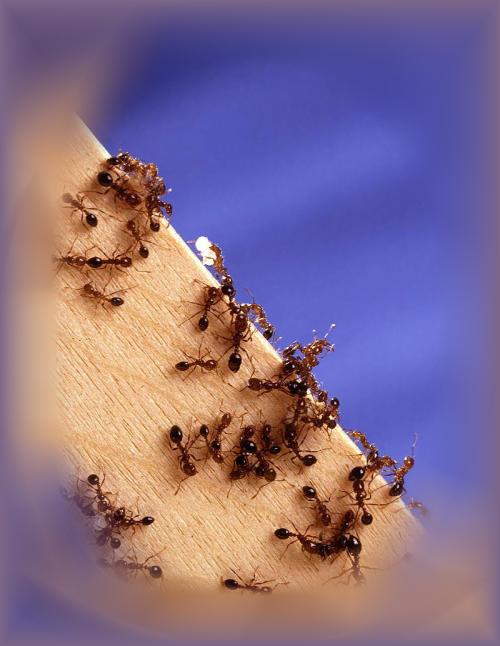
- Fire ant
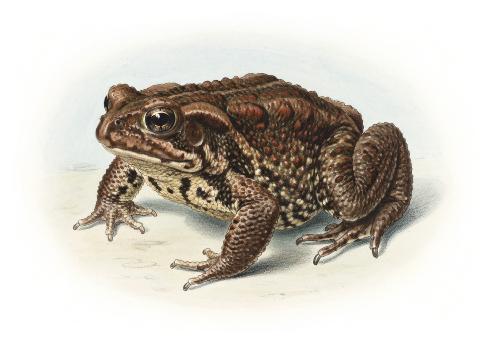
- common european toad
- Cockroach (domestic, red)
- European toad
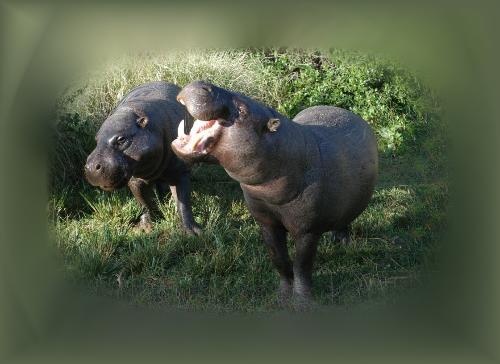
- pygmy hippopotamus
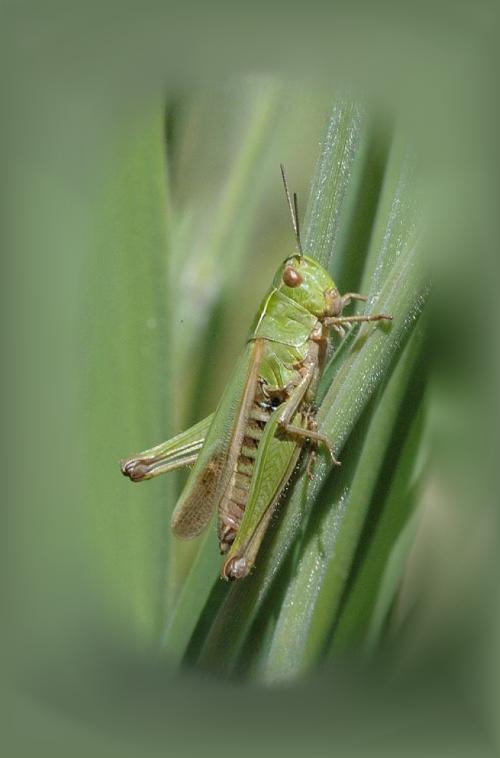
- common green grasshopper
- Wild boar
- laced moray
- eel
- dark moray
- giant moray
- congo
- freshwater moray
- greek
- sharktooth moray
- conger
- bastard eel
- chestnut moray
- honeycomb moray
- undulated moray
- speckled moray
- blackedge moray
- polygon moray
- Rüppell's moray
- blacktail moray
- hepatic moray
- Yellow-edged moray
- Blackfly
- Human Flea
Find your most suitable archetypes
Archetypes are facets of personality and behaviour: sometimes a hamster, sometimes a lion. Take a test for yourself, a friend or a pet.