












The “Gudgeon” archetype
Cultural context
In European and Russian lore the gudgeon is the small, watchful fish of the riverbed, and people have long borrowed its image for a certain kind of mind: clever, wary, happier in the shade than in the spotlight. Russian readers know it from Saltykov-Shchedrin's tale of the wise gudgeon who spent his whole life in a hole, praised by some for his prudence and mocked by others for his fear. Folk belief adds a touch of luck to the fish, and everyday speech uses it for a person who keeps quiet, surfaces only when the water is calm, and shows what he knows only among those he trusts. Cowardice and wisdom sit side by side in this portrait, and the old stories rarely decide which of the two deserves the last word.
Scales
Measured against the poles of personality, the gudgeon sides with the plain over the grand, the quiet over the loud. Ambition and status do not tempt it; it would rather be unremarkable than admired. It is reserved and withdrawn, and physically frail, yet it carries a surprising toughness and stamina. Tenderness and sensitivity to others run deep in it, along with seriousness, discipline and a love of order. It thinks hard, enjoys taking a problem apart, and stays honest and modest. Group pressure slides off it, curiosity pulls it toward the unfamiliar, and a quiet loyalty to old customs holds it steady. Play, though, is not its element: it would sooner be earnest than silly.
Strong traits
Four traits form the core of the gudgeon: fearfulness, modesty, wisdom and secrecy. The fear is a sharp instinct for self-preservation that sounds the alarm even on a calm day, which spares it many needless risks and makes it retreat when boldness is needed. Modesty lets it step aside to hear other people, without ever doubting its own worth. Wisdom comes from experience, patience and a feel for what lies beneath a situation, though it can slow the gudgeon down. Secrecy keeps plans out of sight and lets it think without being watched, at the price of trust that is hard to give and close ties that are slow to form. Together they build a creature that looks small and rarely is.
Noticeable traits
Two quieter traits sit behind the main four. Pettiness gives the gudgeon a sharp eye for small things: the wrong figure in a column, the crooked stitch, the coin missing from the change. It brings precision, and also the risk of drowning in trifles while the larger picture drifts off. Down-to-earth practicality keeps its feet on the river bottom, where things are checked, weighed and reliable, whatever storms pass above. That steadiness makes the gudgeon dependable, though it also cools big dreams and makes risky leaps seem foolish.
How to be around
How should you treat a gudgeon? Think of a burrow rather than a stage. It watches, calculates, and only then swims into the open. Its strength is a sober mind and a talent for avoiding trouble; its weakness is a habit of backing off when courage is called for. Someone who never demands an instant answer will find it gradually unfolding.
With a woman
A woman-gudgeon responds to exactness. Promise little and deliver on the very day you named, because she notices small slips and remembers them for years. Ask for her opinion in private, over tea or on a walk, rather than in a meeting, and she will lay out everything she has thought through. A plain admission of your own mistake counts for more with her than any polished reassurance.
With a man
Bring a man-gudgeon the facts and leave them on his desk. He likes to take an argument apart screw by screw, in silence, before he says yes, and he distrusts anyone who hurries that part. If the talk reaches a dead end, return the next day with a fresh question instead of the old insistence. His caution then turns into a decision that holds firm, and he will stand by it long after others have forgotten the question.
With a teenage boy
Hand a teenage boy-gudgeon a small job with a clear end: mend a plug, walk the younger one to school, sort out the timetable. Success on a small scale teaches him that leaving shelter is survivable and that people noticed, without a word of fuss. His own boundaries, such as a shut door or a silent supper, are best left alone until he decides to speak.
With a teenage girl
Offer a teenage girl-gudgeon a book, a club or a hike where she can watch something new from the edge. Her sensitivity and curiosity grow when she knows there is a way back. Skip the old blunder and let it stay buried; she warms to people who never bring it up.
With a child
A child-gudgeon enjoys jobs that reward attention: sorting buttons by colour, spotting differences between two pictures, checking the shopping list against the bag. Praise the neatness, not the first place. Comparisons with loud classmates sting more than you would think, since the child already feels small and keeps count of every slight. Say instead what you saw it do well.
With an animal
An animal-gudgeon needs a retreat that fits its size: a dark corner, a little house, thick plants where the light does not reach. A weak body matters less when it knows where to dart. Sit beside it quietly, offer a treat on your open palm, and wait until it comes forward by itself.
After a quarrel
To quarrel with a gudgeon or get under its skin, simply drag it into public view, mock its caution and demand an answer on the spot. A man-gudgeon is infuriated when his arguments are waved aside unread. The woman-gudgeon is hurt when her modesty is taken for weakness or a promise to her is broken. A teenage boy turns icy at gushing praise given in front of the class, a teenage girl at being measured against a bolder friend, a child at jokes about his tidiness, and an animal at a hiding place suddenly taken away, a bowl moved, a cage turned to face the door. After any of this the gudgeon does not shout; it simply goes quiet and stays gone.
How to befriend
To befriend a gudgeon or win it over, be predictable: arrive on time, say what you mean, never pass on someone else's secret, and let a long silence be a comfortable thing between you, not a reproach. The man is won by a serious argument, the woman by a word kept to the letter. A teenage boy needs a shared task, a teenage girl a book she can lend without a conversation, a child praise for patience, and an animal the same feeding hour every day, with the bowl set in the same corner. Over weeks, the fish that never trusted anyone starts to wait for you at the door.
Similar archetypes
Close facets: images with a similar set of qualities.
- Mole
- eurasian siskin
- Black-headed Siskin
- olivaceous siskin
- eurasian siskin
- eurasian siskin
- eurasian siskin
- eurasian siskin
Complete opposite
The opposite facet: images whose qualities point the other way.
- black-billed capercaillie
- Turkey
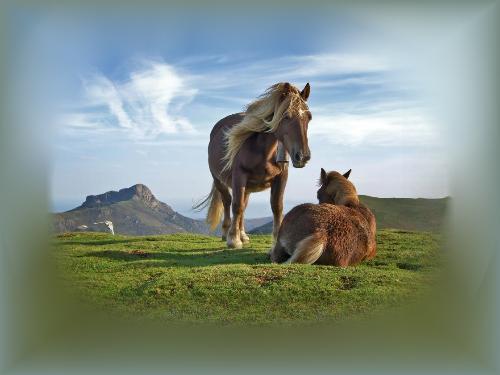
- nag
- 🫏
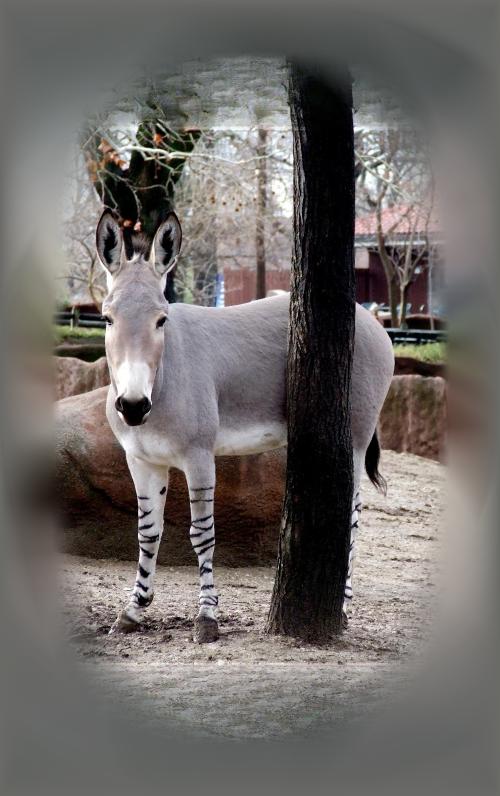
- ass
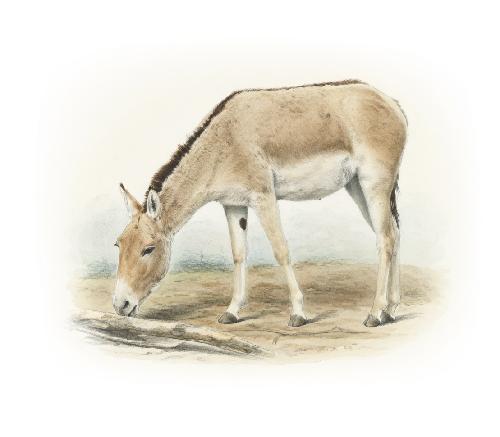
- persian onager
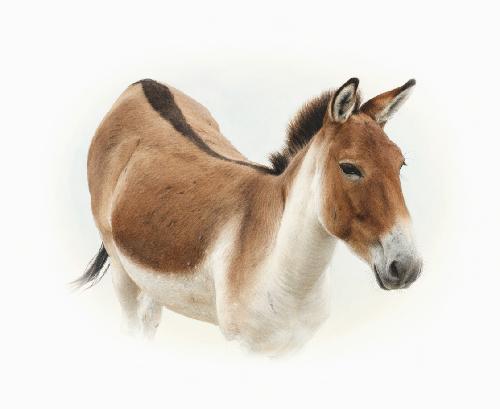
- khur
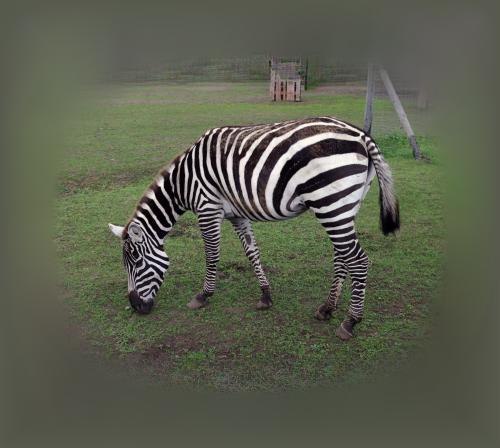
- grevy's zebra
- tarpan
- asian wild horse
- mountain zebra
- hartmann's mountain zebra
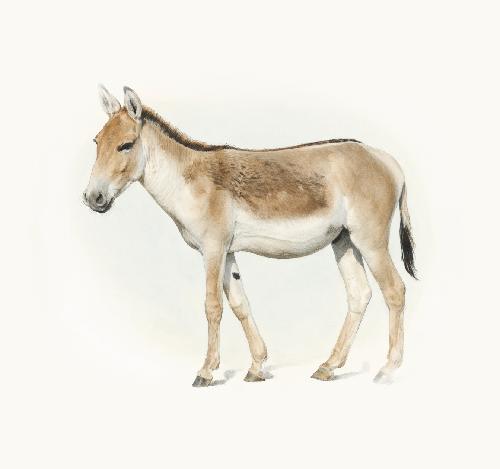
- kiang
- cape mountain zebra
- quagga
- kulan
- kulan
- quagga
- syrian wild ass
- quagga
- quagga
- quagga
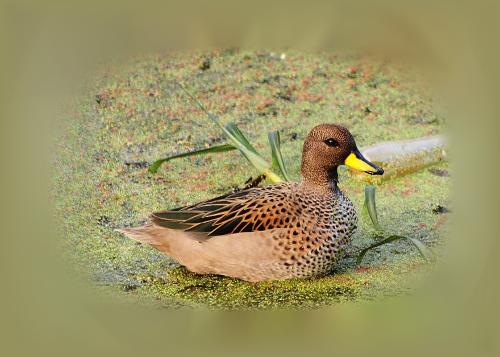
- mallard
- Hungarian grasshopper
- Two-colored grasshopper
- Pointed-headed Grasshopper
- Grey Bird Grasshopper
- Acrida exaltata
- Acrida turrita
- Acrida willemsei
Find your most suitable archetypes
Archetypes are facets of personality and behaviour: sometimes a hamster, sometimes a lion. Take a test for yourself, a friend or a pet.