

















The “Silkworm” archetype
Cultural context
In India, China, Korea, Persia and Japan the silkworm is a creature of patient labour. Out of one small caterpillar comes a single filament hundreds of metres long, and the traditions that grew up around mulberry leaves and cocoons read this as a lesson in transformation: something plain gives itself up and becomes something precious. Silk was prized as luxury, but also as a kind of secret, and the worm behind it was admired for wisdom that works without announcement. It stands for generosity that costs the giver something, for the quiet pride of finished work, and for the idea that real beauty is made slowly, out of sight, by someone willing to keep going long after others have looked away.
Scales
Read through its strong and weak poles, this is a mind that prefers depth to chatter: analytical, disciplined, conscientious, honest and modest. It has stamina in a small body, a hunger for meaning that it never advertises, and loyalty to inherited custom. Around it hangs a sense of the set-apart, even the forbidden, as if silk belonged to a guarded mystery. It is willing to help at its own expense, open to the unfamiliar, gentle, cooperative, and quite able to manage alone. What it lacks is play. It is serious by temperament, reserved rather than sociable, and rarely speaks first. Warmth is there, but it travels through deeds rather than words.
Core traits
Hard work is the spine of this archetype. The silkworm sticks with a task through its slowest, most tedious stretches and delivers results others can set their watch by. Steadiness is its pride and its trap: with no off switch, it forgets rest until exhaustion arrives, and a thread pulled without pause will eventually snap. Expect reliability from a silkworm, and watch for the evenings when everyone else has long gone to bed and it is still at work.
Strong traits
Fertility, generosity and purity make it a source of warmth. It starts things, shares its time and resources freely, and keeps its motives clean, with no appetite for scheming. Those same gifts have a price: it takes on more than one pair of hands can carry, gives until little is left, and trusts so readily that a smooth talker can lead it astray. When disappointment comes, it lingers, and what looked like naivety turns out to have been faith.
Noticeable traits
Pride, wisdom and secrecy govern how the silkworm acts when the path is unclear. It holds its boundaries and keeps its self-respect, which can harden into stubbornness when help is offered. It learns from experience, yet its caution can delay a decision well past the point of comfort. Plans stay folded away until they are ready, so people around it often feel shut out and mistake discretion for coldness.
Muted traits
Sensitivity runs quieter in this archetype but still shapes it. The silkworm registers small changes in a room: a tone of voice that has cooled, a mood that has shifted before anyone mentions it. That keen attention is useful, and it is also a source of weariness. Too much stress or too little understanding leaves it raw, and it recovers only in calm and solitude.
How to be around
Getting along with a silkworm is mostly a matter of rhythm. It dislikes being hurried, startled or put on display, and it trusts people who are steady and plainly honest. Bring order rather than excitement, let it finish what it has begun, and thank it in specifics, because it tends to overlook how much it has done.
With a woman
A woman-silkworm carries more than she admits, so take something off her plate before she asks: cook dinner, collect the children, answer the tedious emails. Say it as a plain fact, not a rescue: "Tonight is mine." She is moved more by a hot meal and a cleared table than by speeches, and she will remember who noticed the weight she was carrying.
With a man
A man-silkworm bristles at help that feels like supervision, so ask his opinion instead: "How would you approach this?" Then listen to the whole answer. His pride is bound up with doing things properly, and being consulted tells him you see the craft in them. Offer to work beside him on a shared job with a clear end, and keep your instructions few.
With a teenage boy
A teenage boy-silkworm will spend a whole Saturday taking apart a radio or building a model ship, and say nothing about it. Ask to see the result, not the reasons. Hand him a proper tool, a real project, or a book on whatever absorbs him; conversation comes later, sideways, over the workbench.
With a teenage girl
A teenage girl-silkworm believes people too quickly, and a friend's lie wounds her more than she lets on. Talk to her about telling sincere interest from flattery, and share one story where you misjudged someone yourself. Praise her judgment when she spots a false note, so that caution feels like wisdom and not cynicism.
With a child
A child-silkworm reads the weather of a house faster than anyone suspects, and raised voices behind a closed door still reach him. Preview anything new, whether school, a doctor or a trip, and let him bring one familiar object. At bedtime sit nearby without questions while he builds a cocoon from blankets.
With an animal
An animal-silkworm wants a dim, warm corner and fresh mulberry leaves at regular hours. Check the tray rather than the creature, and when a cocoon is complete, mark the moment by leaving the shelf alone for several days. Its work is its whole life, and the greatest kindness is to treat it as work worth respecting.
After a quarrel
To quarrel with a silkworm or get under its skin, rush it while the job is half finished, tease it for being too serious, or let it discover that you have lied. Nothing hardens it faster than being taken for granted. A woman-silkworm goes cold when her labour is treated as free; a man-silkworm digs in when someone overrules his method; a teen boy falls silent if his projects are mocked; a teen girl cannot forgive gossip behind her back; a child-silkworm retreats from shouting; an animal-silkworm stops spinning when its quarters are loud or bright.
How to befriend
To befriend a silkworm or win it over, come with something real in your hands and stay a while without making a fuss. It warms to honesty, to small acts that save it work, and to anyone who spots what it did quietly. A woman-silkworm values a free evening you arranged for her; a man-silkworm, a worthwhile job you share; a teen boy, a good tool or a manual for his hobby; a teen girl, plain sincerity; a child-silkworm, stories where a plain grub becomes something marvellous; an animal-silkworm, a clean tray, fresh leaves and the dark.
Similar archetypes
Close facets: images with a similar set of qualities.
Complete opposite
The opposite facet: images whose qualities point the other way.
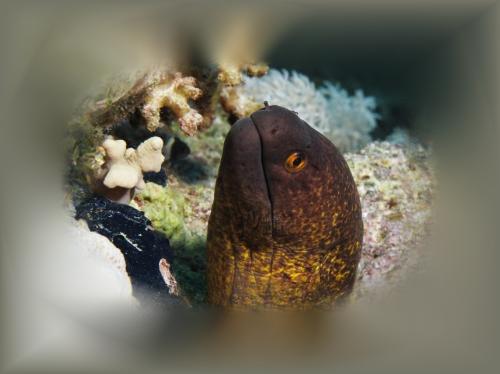
- Turkey
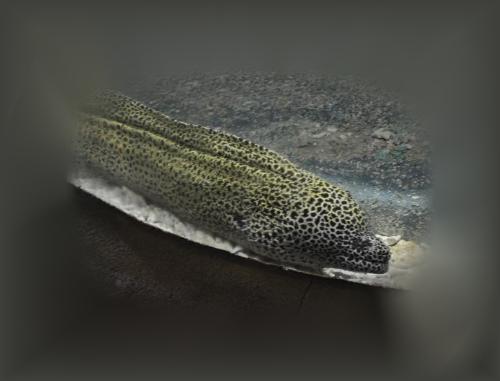
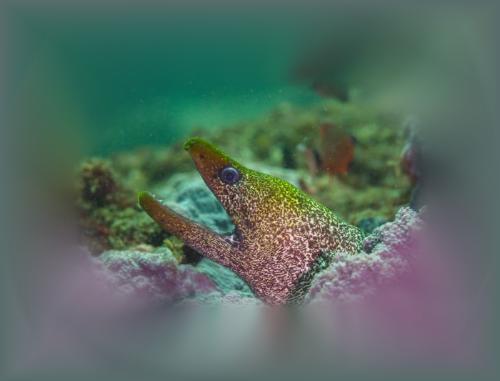
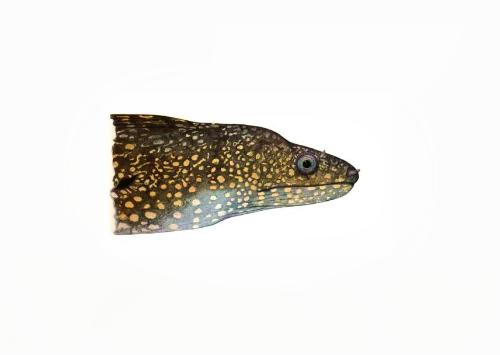
- laced moray
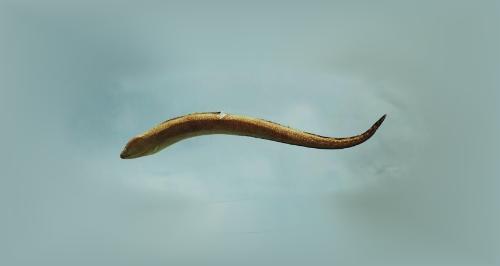
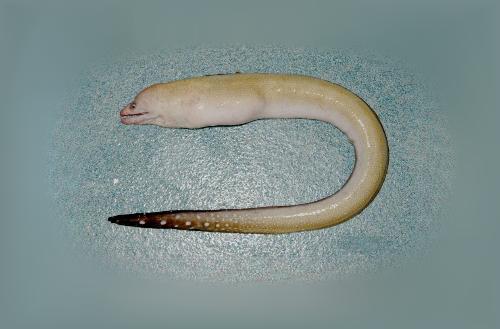
- eel
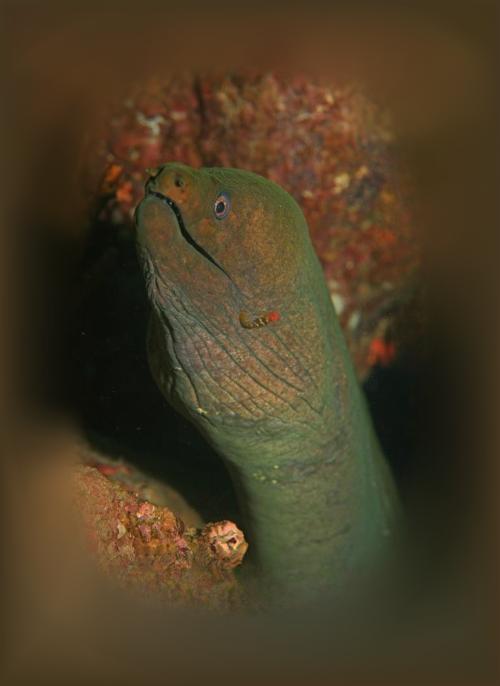
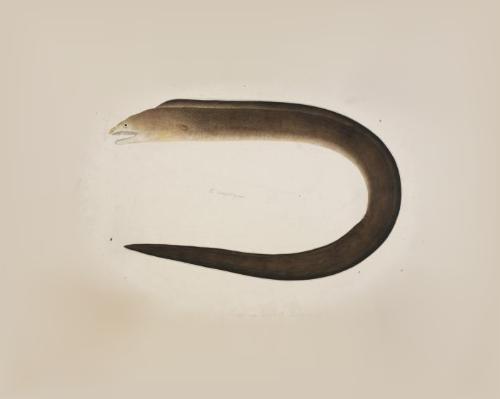
- dark moray
- giant moray
- congo
- freshwater moray
- greek
- sharktooth moray
- conger
- bastard eel
- chestnut moray
- honeycomb moray
- undulated moray
- speckled moray
- blackedge moray
- polygon moray
- Rüppell's moray
- blacktail moray
- hepatic moray
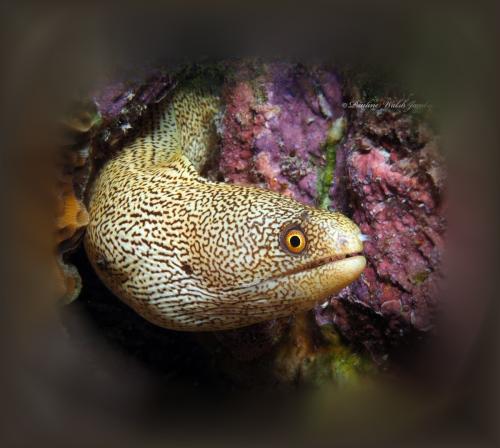
- Yellow-edged moray
- Human Flea
- Dog Flea
- Oriental Rat Flea
- Hen Flea
- Northern Rat Flea
- chigoe flea
- Hedgehog Flea
- new zealand bat flea
- Martin Flea
Traits and their opposites
Each trait of this archetype — and what is opposite to it.
- Sensitivity ↔ Callousness
Find your most suitable archetypes
Archetypes are facets of personality and behaviour: sometimes a hamster, sometimes a lion. Take a test for yourself, a friend or a pet.