










The “Achatina” archetype
Cultural context
In the European imagination, the giant African snail stands for a quiet, self-contained temperament that gets where it is going without ever looking hurried. People who carry this archetype are gentle and a little secretive; they keep their best thoughts indoors, as a snail keeps itself in its shell, and bring them out only when the weather is right. Europe tends to prize speed and show, so these people are often overlooked, yet the snail's patience is a form of stubbornness that outlasts louder rivals. It settles into whatever soil it finds, takes what the place can give, and keeps its own counsel. What looks like slowness is really economy: no step wasted, no strength spent on display. Neighbours may call it timid. The snail calls it a long view, and it usually has the last word, if only because it is still moving long after the others have tired.
Scales
Read through its strong and weak poles, the snail comes out as a figure of self-reliance and reserve. Independence sits at the top, with a pull toward closeness and pairing right behind it, and both are wrapped in a shyness that makes the snail slow to open up. It looks toward the lasting and the permanent, spends its strength for others without grumbling, and has a resilient body that recovers from knocks. Feeling runs deep and quiet, and beauty and order matter to it. Against that stand a modest physique, little appetite for rank, a sober manner that seldom plays, and a tendency to judge by first impressions. The result is a creature that is tender, thrifty and stubborn in equal parts.
Core traits
Independence is the backbone of this archetype. The snail decides its own route, carries its own home and rarely asks permission to stop and think. Yet alongside that self-sufficiency runs a real hunger for closeness: when it chooses a partner, the bond is intimate, loyal and unhurried, and the snail would rather build one good attachment than collect many shallow ones. The two pulls never quite cancel out; they take turns, and that alternation gives the personality its particular tenderness.
A feeling for what lasts shapes nearly everything it does. The snail plants things that bear fruit years from now, keeps old letters, and measures a day against a lifetime instead of against the hour. Its willingness to give up comfort for others comes out of the same source: it will quietly sit up with a sick friend, lend its last supplies, or finish a task nobody thanked it for, and it does all this without keeping a ledger, because the giving itself is the reward and the thanks are an unexpected extra.
Underneath the soft exterior lies stamina that surprises people. Illness, cold and lean seasons slow the snail without breaking it, and it bounces back by retreating, resting and emerging again. The same resilience feeds an inner life that produces ideas by the dozen, mostly unspoken, stored away like provisions against a hard winter. Some of them will ripen into books, gardens, recipes or small inventions; most will simply keep it company on long evenings.
Fine-grained sensitivity comes next. The snail picks up other people's moods the way its feelers pick up damp air, and it is drawn to beauty in small things: dew on a leaf, a well-set table, a pattern in old tiles. Out of that comes a love of order and making; given an hour, it will bring calm to a cluttered corner and feel better for it. Even a borrowed room soon shows its touch: a stone on the sill, a cloth smoothed flat, a lamp moved a few inches until the light falls just right.
Quieter qualities fill in the picture. Curiosity about the unfamiliar is real but unhurried, preferring experiences it can turn over slowly to novelty that shouts. Pleasure in touch, warmth and food keeps it close to its body. It is gentle with others, tolerant of oddness and ready to cooperate. Its curiosity extends to people, whom it studies patiently from a distance. A search for meaning, a sense that some things are set apart and not to be trifled with, and loyalty to inherited custom give its calm a faintly ceremonial air.
The weaker notes matter too. Physical power is not its gift, and it knows it, so it solves problems with patience and cover rather than force. Rank means little to it; it lives modestly and seldom bothers to climb. Play comes hard to its serious nature, snap judgments sometimes replace careful thought, and a streak of shrewdness about its own advantage appears now and then. Diligence is present but never fussy, and a flash of rebellion shows when a crowd leans on it. None of these traits is loud, and none defines the whole animal; they hum in the background like rain on a leaf.
How to be around
Getting along with someone of this archetype starts with learning to wait. Its inner world is not on display, and trust arrives in small steps, one at a time, after it has had a chance to test the ground. Come with an easy manner, a soft voice and something worth looking at. Hurry makes it withdraw into its shell, while calm company draws it out, and what it eventually shows you is worth the wait: stubborn loyalty, dry humour, and a mind full of unfinished plans.
With a woman
A woman-snail keeps a notebook of ideas she has not yet shown anyone, so ask her which one she is most curious about and listen all the way to the end. Then offer practical help: a free Saturday, a loan of your tools, an introduction to someone useful. She will accept slowly, and she will never forget it. Skip any jokes about her being shy; she hears them more clearly than she lets on.
With a man
Tell a man-snail plainly what his quiet work has done for you: the shelf he fixed, the bills he kept straight, the supper he cooked without being asked. He seldom fishes for thanks, but he stores every word of it. Hand him a task with a clear edge and a deadline measured in weeks, and he will deliver more reliably than a louder colleague.
With a teenage boy
A teenage boy-snail clams up under direct questions, so talk to him sideways, over a bike chain, a game or the washing-up, where answers can be short and nobody stares. Leave a book or a sketchbook where he can find it. If he returns to the topic a day later, treat that as the real conversation and answer him as an equal, with no teasing.
With a teenage girl
A teenage girl-snail notices more than she says, especially anything beautiful or out of tune, so a handwritten note, a good pen or a pressed flower will speak for you better than a heart-to-heart. Invite her to choose the colours for a room or the playlist for a trip. She will tell you what she feels once she has made something that carries it for her.
With a child
A child-snail likes things in their proper place. Hand over a drawer, a shelf or a toy box and ask the little one to sort it; then admire the system and ask what rule it follows. Short, specific questions earn long, careful answers. Bedtime stories about long journeys and patient travellers go down especially well.
With an animal
An animal-snail needs a warm, damp enclosure with a hide, fresh leaves, a bit of cuttlebone or crushed eggshell for its shell, and a light misting in the evening. Lift it only by letting it crawl onto your palm, never by pulling at the shell. Watching it at dusk, when it comes out to feed, tells you more about its mood than any handling could.
After a quarrel
To quarrel with a giant African snail, bang on its door and demand an answer now. Mock its pace, brush off a half-finished idea as nonsense, or take credit for something it quietly made, and the shell goes up with a snap. Snails also bristle at nosy readers of their private notes, at friends who rearrange carefully ordered shelves, and at groups that try to herd them into a decision. The silence that follows can last weeks, and when it ends the snail will remember exactly who did what, down to the day and the tone of voice.
How to befriend
To befriend a snail of this kind or win it over, arrive without an agenda, bring something pleasant to look at, and stay long enough for it to put out its feelers. Share a slow walk after rain, a long meal, or a project that takes a season to finish. Remember what it said last time and mention it. Admire its patience out loud. Once the snail concludes that you are no threat, it opens its shell fully, and a friend or a lover made this way tends to stay.
Similar archetypes
Close facets: images with a similar set of qualities.
- brown lipped snail
- Mussel
- Pacific oyster
- Oriental Toad
- Apple snail
- Spotted salamander
- Glass frog
- Pearl oyster
Complete opposite
The opposite facet: images whose qualities point the other way.
- Turkey
- rainbow boa
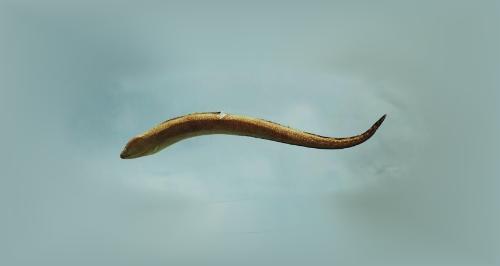
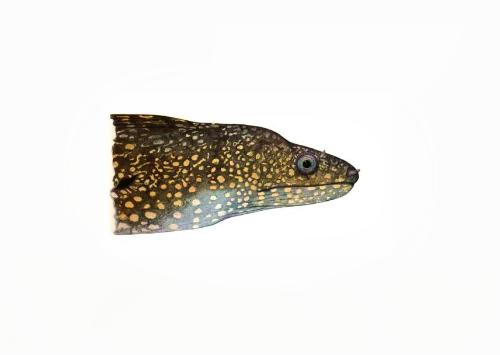
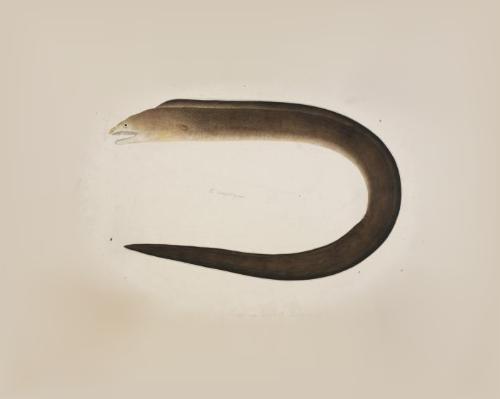
- laced moray
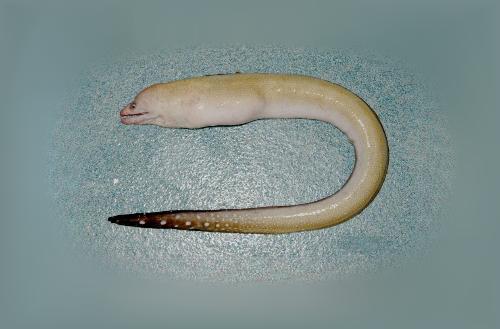
- eel
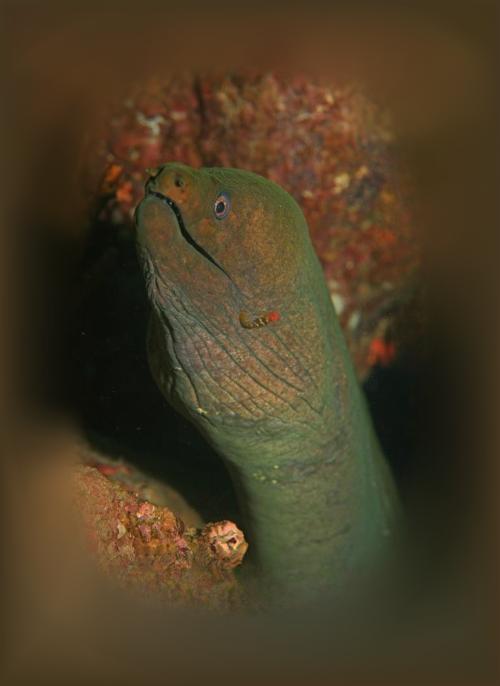
- dark moray
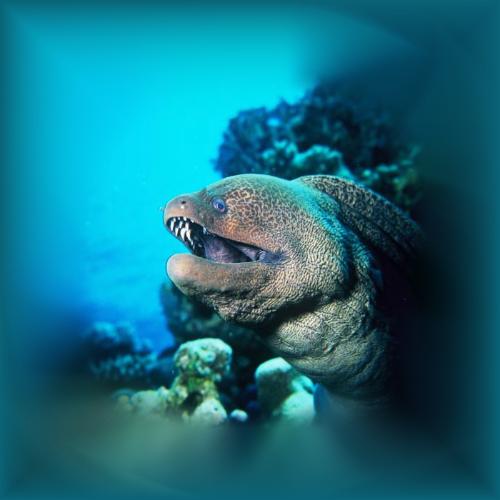
- giant moray
- congo
- freshwater moray
- greek
- sharktooth moray
- conger
- bastard eel
- chestnut moray
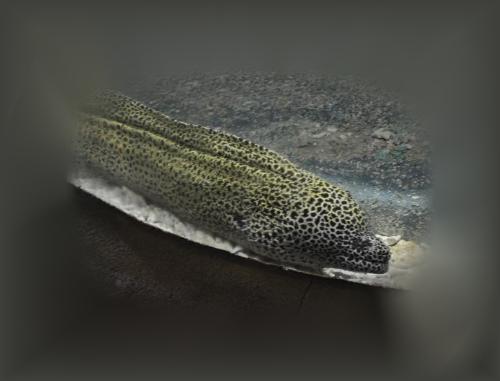
- honeycomb moray
- undulated moray
- speckled moray
- blackedge moray
- polygon moray
- Rüppell's moray
- blacktail moray
- hepatic moray
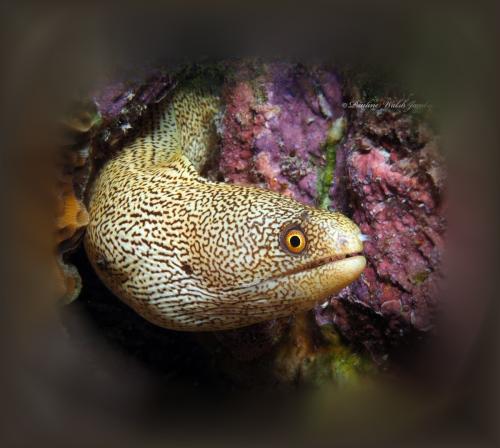
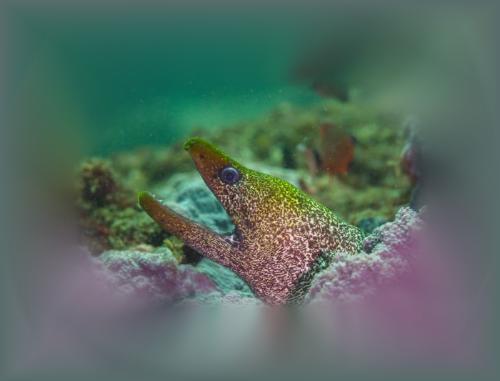
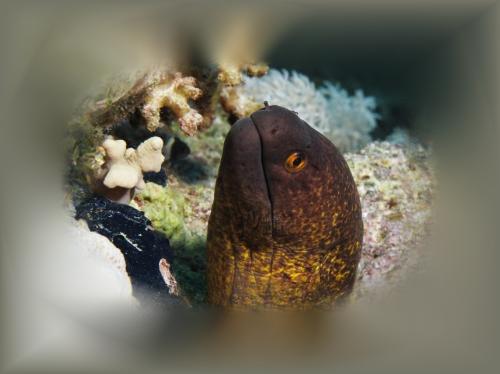
- Yellow-edged moray
- Lesser Cuckoo
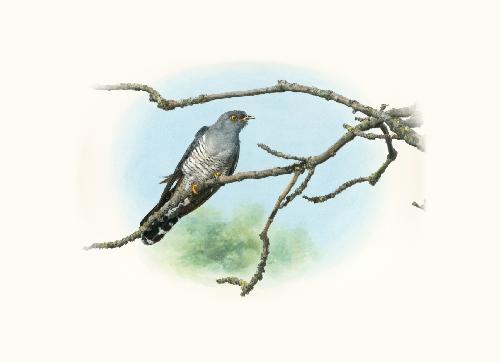
- European Cuckoo
- Horsefly
- Sparrow
Find your most suitable archetypes
Archetypes are facets of personality and behaviour: sometimes a hamster, sometimes a lion. Take a test for yourself, a friend or a pet.