









The “African Spurred Tortoise” archetype
Cultural context
Few animals carry as much cultural freight as the tortoise. In Japan it stands for longevity and steadfastness, qualities prized well above passing fashion. Greek thinkers read in its unhurried pace a lesson in moderation and resilience. Indian tradition goes further and puts the world itself on a tortoise's back, making it a symbol of stability and support. Chinese cosmology links the animal with the northern heavens and with the cycles of time, so that it becomes an anchor in a world of change. Four very different cultures arrive at the same picture: strength that is quiet, patient and in no hurry, and a wisdom that comes from living in step with the earth. This tortoise inherits all of it and wears it as easily as its shell.
Scales
Seen through these traditions, the African spurred tortoise is a creature oriented to whatever lasts. Stories gather around its great age; it is the silent witness who watches generations come and go. With that long view comes vitality, the stubborn reserve of strength that carries it across dry country and through hard seasons. It is also deeply bodily: it feels the ground under its feet and the sun on its shell. Order and duty shape its days, which is why it hoards, guards and builds for the long term. Novelty is another matter. The tortoise distrusts change and prefers what has already proved itself. Prestige is not something it chases, yet it accepts the respect that diligence earns. Beneath all this runs a feeling of the holy, of belonging to an order larger than itself. Its mind is sharp, but it would rather weigh a question for a long time than answer it in a hurry.
Core traits
Endurance and vital force sit at the centre of this archetype. They are not only about staying alive; they describe a refusal to give way, a calm core that holds when the weather turns. Add a strong feeling for the body, for weight, warmth and solid ground, and a conscience that will not let a job go unfinished. Such a tortoise builds and stores and defends, rarely for its own comfort and mostly for something that must outlast it. Stamina, strength and duty together make up the foundation on which everything else rests.
Faint traits
A sense of the sacred runs quietly through the spurred tortoise. It finds something holy in the natural world and in customs handed down unchanged, and it never announces this with loud piety. It simply knows that each thing has its place in a wider pattern of meaning. Beauty matters to it as well, though it is the beauty of plain, orderly and long-lasting shapes, a smooth dome or a worn stone, rather than anything showy. The same loyalty to the familiar has a cost, however. Offered something unfamiliar, the tortoise will usually choose the comfort of what it knows over the risk of the new.
The spurred tortoise looks for meaning in lasting cycles, in the patterns that reveal how the world is put together. Curiosity is there, a wish to know why, yet it works slowly and favours depth over breadth, one question turned over for a whole season. A faint ambition stirs too: not a hunger for applause, only a quiet hope that steady devotion will one day be recognised.
Vitality gives the spurred tortoise its resolve in the face of difficulty. It has a hands-on, almost tactile knowledge of the world's rhythms: when the ground warms, when rain is coming, when to dig in. That energy gives its days a purpose. It wants to make something, guard it, and leave behind a legacy of toughness.
Carefulness marks the way this tortoise lives, backed by a keen sense of duty and answerability. Structure and predictability suit it; it sets up routines and systems that save effort and keep things under control. Work is no burden to it. It is diligent, dogged and committed to seeing every aim through to the end.
Physically the tortoise is powerful and at home in its own body, sure of what it can do and unmoved in its convictions. Independence is vital to it: it dislikes being steered or manipulated. What is its own it will protect, and those in its care can count on being provided for. It carries that sense of ownership as plainly as it carries its shell.
Tradition is deeply ingrained in the tortoise: it wants to honour those who came before and keep a thread to the past. Honesty and fairness steer it, even when they cost something, and fairness counts for more than winning. It also craves harmony, and tries to set its surroundings and its relationships in balance, an even keel from which peace and stability can follow.
How to be around
Getting along with this tortoise starts with accepting its pace. It cannot be hurried or talked into things; its decisions are weighed slowly, and its actions grow out of a firm sense of responsibility. Do not look for fireworks. What you will find instead is steadiness, a quiet resilience that never tires, and that is where its real strength lies.
With a woman
A woman-tortoise is most at ease when she is absorbed in a task, so sit nearby with a cup of tea and offer a hand only when she looks for one. Reliability matters to her more than charm, and she notices who keeps their word. Never laugh at her meticulousness or her loyalty to old ways. Praise the soundness of her methods instead, and ask how she learned them. Trust built like this lasts for years.
With a man
Answer a man-tortoise when he asks something, even if your reply is a single sentence; he has little use for chatter. Agree on a signal for the moments when you must break into his work, perhaps two taps on the doorframe, so that the interruption does not feel like an ambush. He does not need constant praise, but he likes to know that his effort has been seen and counted.
With a teenage boy
A teenage boy-tortoise likes to chew things over before he speaks. Lay out the options plainly, one after another, and then leave the room while he decides. His silence usually means he is thinking hard, not that he is bored. Hand him a corner of his own, a shed, an attic or a bench in the garden, where he can sort out his thoughts and come back as himself.
With a teenage girl
Tell a teenage girl-tortoise out loud that her perseverance has been noticed, especially after a setback, and leave the choice of route to her. Ask her to explain why she picked it; being invited to reason shows her that her mind is respected, even when you would have chosen differently. Slow progress is still progress, and she deserves to hear it said.
With a child
A child-tortoise needs a firm place to stand. Keep the bedtime story, the breakfast bowl and the route to school unchanged, and mention anything new a day ahead. Then walk in with the child, only as far as the doorway, and let the first step be theirs. Curiosity will come, but it arrives after trust, never before.
With an animal
An animal-tortoise wants a dry, sunny stretch of ground with a burrow or shelter it can enter and leave at will. Fill the water dish, scatter grass and hay, then step back and watch from a distance. An hour alone does it good. Calm presence reassures more than handling, and the pattern it settles into is the sign that it trusts the place.
After a quarrel
Quarrelling with a spurred tortoise is rarely worth the effort, because its stubbornness comes from conviction, not spite. Should you insist, keep breaking its routine, overrule it halfway through a job, and ignore its wish to be left alone. A woman-tortoise loses her temper when fresh duties keep landing on her desk. A man-tortoise bristles if his judgment is challenged while his hands are full. An animal-tortoise reacts badly to sudden noise and to the loss of its corner, pulling in its head and refusing to come out.
How to befriend
To befriend a spurred tortoise or win it over, respect its independence, admire what it has built and accept its slow tempo. With a man-tortoise, a shared project undertaken at an easy pace does more than any confession. A woman-tortoise warms to being thanked for her reliability and to quiet help with her obligations. An animal-tortoise comes round once it has a corner of its own, a calm voice and no hands reaching in; the less you meddle with its boundaries, the sooner it drifts toward your company.
Similar archetypes
Close facets: images with a similar set of qualities.
- Caiman
- Polar Bear
- Musk ox
- Saltwater crocodile
- Nile crocodile
- Ball python
- Japanese giant salamander
- Star tortoise
Complete opposite
The opposite facet: images whose qualities point the other way.
- Black widow spider
- laced moray
- eel
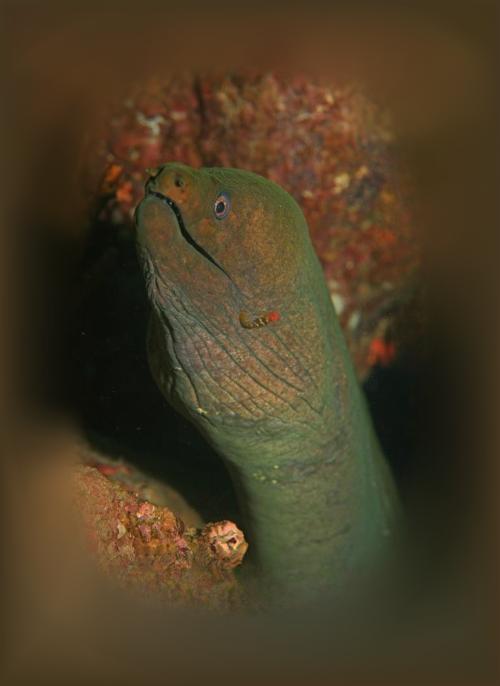
- dark moray
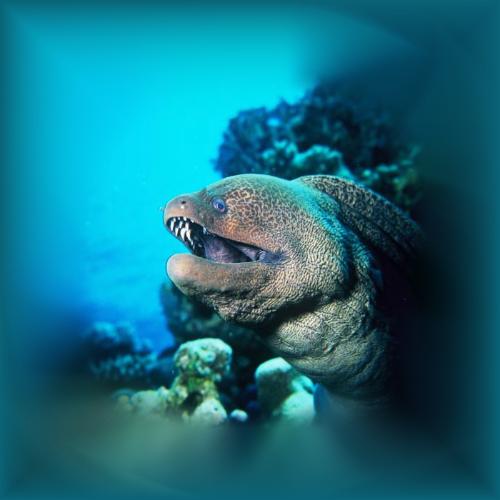
- giant moray
- congo
- freshwater moray
- greek
- sharktooth moray
- conger
- bastard eel
- chestnut moray
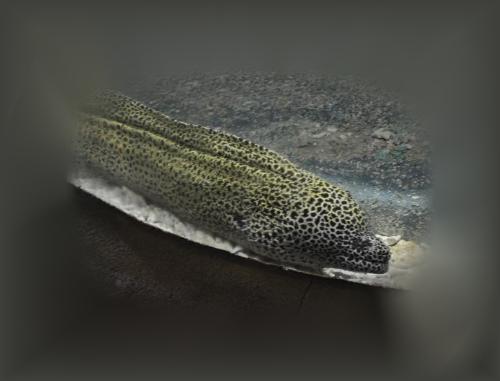
- honeycomb moray
- undulated moray
- speckled moray
- blackedge moray
- polygon moray
- Rüppell's moray
- blacktail moray
- hepatic moray
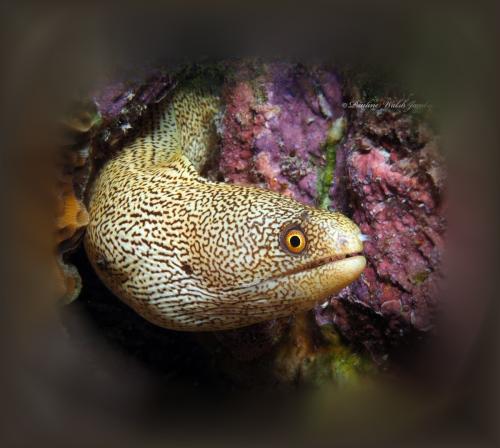
- Yellow-edged moray
- Golden Jackal
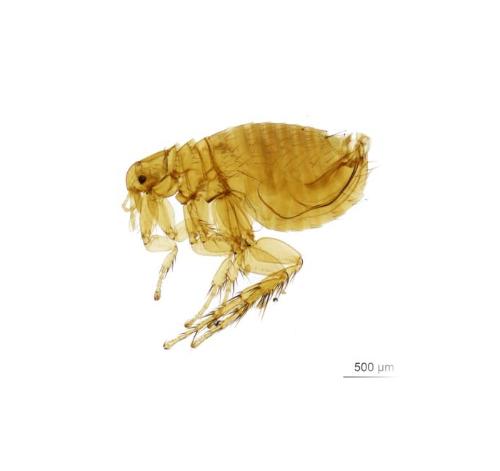
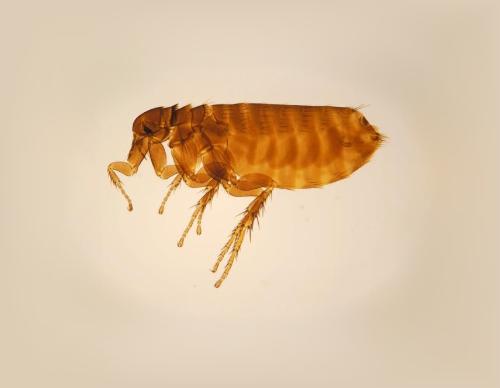
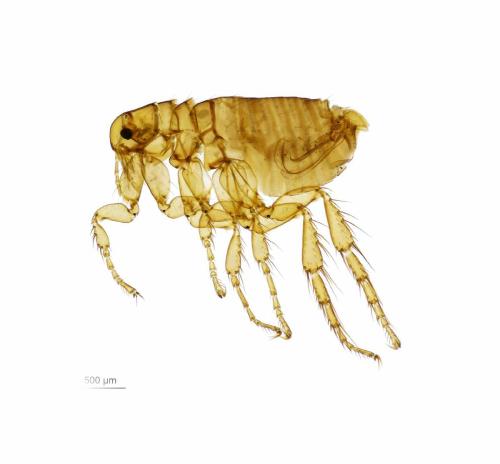
- Human Flea
- Dog Flea
- Oriental Rat Flea
- Hen Flea
- Northern Rat Flea
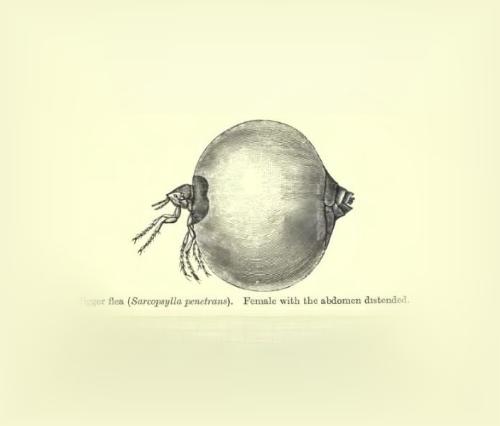
- chigoe flea
- Hedgehog Flea
- new zealand bat flea
Traits and their opposites
Each trait of this archetype — and what is opposite to it.
- Resilience ↔ Fragility
Find your most suitable archetypes
Archetypes are facets of personality and behaviour: sometimes a hamster, sometimes a lion. Take a test for yourself, a friend or a pet.