













The “brown lipped snail” archetype
Cultural context
Across Europe the grove snail has long stood for unhurried wisdom. Its shell, carried everywhere like a portable house, made it an emblem of patience and of outlasting hard seasons through sheer staying power, and in some regions it was kept as a quiet guardian of the home, a bringer of calm and steadiness. People who answer to this archetype share that outlook. They do not chase grand gestures or conquests. They would rather tend one small, dependable world than rule a large restless one, and they take real comfort in the familiar and in progress counted in inches. Ambition for its own sake leaves them cold. What they prize is solid footing, the knack of waiting out a storm, and the plain contentment of being exactly where they are. Speed and force impress them far less than adaptability.
Scales
In this tradition the grove snail reads as a creature of closeness and long horizons. It leans toward a mate and a shared home, and toward whatever is meant to last. It will spend its own effort on someone else's burden without being asked. Yet it keeps to a modest corner of the world: status means little to it, crowds tire it, and a loud room sends it back inside the shell. Beauty moves it, custom steadies it, and its manner is mild and cooperative, though it trusts the old path more than the untested one. It seldom rebels, and a certain looseness about schedules and details rarely bothers it. Even its thoughts tend to run plain and unhurried, and its play is quieter than most people's.
Core traits
Spirituality and abundance sit at the centre of this character. The snail feels itself part of something larger than its own small garden, and that feeling gives it both stamina and a low, steady joy in ordinary days. From it grows a gift for making do: a bare windowsill becomes a herb bed, a thin month becomes a lesson in saving. Because it senses how everything hangs together, it values shared work over private triumph. The generosity that comes with plenty is never loud. It shows up as a full jar left on a neighbour's step, offered out of simple concern rather than duty.
Faint traits
Respect for the old ways and a sense of proper conduct shape how the grove snail meets the world. It keeps its routines because they work, and those routines calm both the snail itself and everyone sharing a roof with it. Honesty and modesty come naturally; it distrusts show and counts a kept promise above a clever speech. It tends to keep its feelings behind the shell and says them through deeds, such as a mended fence or a warm meal. This is not shyness born of fear. It simply has no appetite for drama, and it would rather keep the day quiet and even.
Sensitivity to beauty and a drive toward harmony give the grove snail a gentle grace. It has an eye for small things: the stripe pattern on a shell, dew on a leaf, the light at the end of a day. That taste is not decoration, because it pushes the snail to arrange its surroundings until they feel balanced and orderly. Its empathy is real as well, and it can comfort a person without judging. The wish for harmony reaches past its own doorstep and into the street it lives on.
Timelessness and generosity are woven together here. The grove snail takes the long view and judges choices by what they will mean in ten years, not ten minutes. That outlook makes it willing to give up its own comfort for the good of others, and it does so with little fuss. Its stamina grows out of the same root: it keeps going through bad years and keeps hoping when the news is dark.
Closeness and independence pull against each other in this character. The grove snail wants a partner and a warm, shared life, yet it fiercely guards its own self-reliance. It moves toward people and then retreats a little, tests the ground, and comes forward again. Belonging matters to it as much as having its own way does, so it loves carefully and slowly, with its boundaries in place.
How to be around
The grove snail should never be mistaken for a weak person just because it is quiet. It is not chasing applause, and it builds comfort for itself and for those around it with a patience that few can match. Meet it at its own pace, and you will find a companion who weathers nearly anything with dignity.
With a woman
A woman-grove snail usually has firm ideas about how a home should look, so ask her how she would organise the pantry and listen to the reasoning behind the jars. That order tells you what she cares about. When she is stretched thin, offer a pair of hands and a concrete job instead of sympathy. If she has stuck with a long project, name the stubborn weeks of work you saw, not only the finished result. Praise that notices effort reaches her far more than a general compliment.
With a man
A man-grove snail wants to pick his own method for a household repair, so hand him the job and keep your fingers off the tools. Give him a small task that shows what he can do, such as hanging the shelf or sorting the garden shed. In a disagreement, repeat his point back to him before you answer it. He cares more about being understood than about being right. Thank him for the steadiness he supplies day after day, since he rarely asks for it.
With a teenage boy
A teenage boy-grove snail needs a corner for his solitary pursuits: scales on the guitar, a half-built model ship, a book read twice. Do not ask what it is all for. Put two or three options on the table and let him choose, even if his pick surprises you. He feels more than he says, and a nod at his kindness to a younger cousin counts for plenty. Skip the sermon on responsibility; hand him a job that needs careful planning instead.
With a teenage girl
A teenage girl-grove snail tends to guard her inner life, so leave the diary and the door alone. Talk about your own bad day in plain words and expect nothing back. When she complains about rules or expectations, say that her frustration makes sense before you say anything else. Invite her to put together a playlist of tracks that calm her down; the order she chooses will tell you more than a dozen questions.
With a child
A child-grove snail works through a puzzle one piece at a time, and any shortcut you offer will feel like a theft. Sit nearby with your own task and say nothing until the last piece clicks in. When he or she is deep in a quiet game, save the argument for later. Keep a blanket-lined corner where the little one can retreat after a loud day. If you meet a snag yourself, say aloud what you will try next and how you calm down, so the child can copy it.
With an animal
An animal-grove snail lives by its own tempo, and a slammed door or a sudden shadow sends it into the shell. Tell it what is about to happen in a low voice before you shift its terrarium, as sudden moves cost it days of appetite. Keep one dim, damp nook undisturbed. Lay out smooth stones, a patch of moss, and a leaf of lettuce so the creature can pick which it likes.
After a quarrel
To quarrel with a grove snail or get under its shell, start by interrupting the job it has just begun, then demand results by evening and question its methods out loud. Conflict is not its element, so it will not shout back. It will go silent, and its resolve will harden into stone. A man-snail bristles when his decision is challenged in the middle of the work, and a woman-snail when one more duty is dropped on her list. An animal-snail suffers when its path is blocked, its damp hiding place is removed, or its food is shifted without warning.
How to befriend
To befriend one or win its heart, bring small things again and again: a cutting from your plant, a standing tea on Sunday, a note slipped under the door. Notice the quiet chores it does and say so. Be honest, speak softly, keep your voice even, and let your praise be modest. With a man-snail, take on a shared project, a bench or a vegetable bed, and let him lead. With a woman-snail, admire her reliability and urge her to rest sometimes. With an animal-snail, keep a safe shelter and a steady schedule. Each visit that goes smoothly widens its trust, and one day it will simply be waiting for you at the gate.
Similar archetypes
Close facets: images with a similar set of qualities.
Complete opposite
The opposite facet: images whose qualities point the other way.
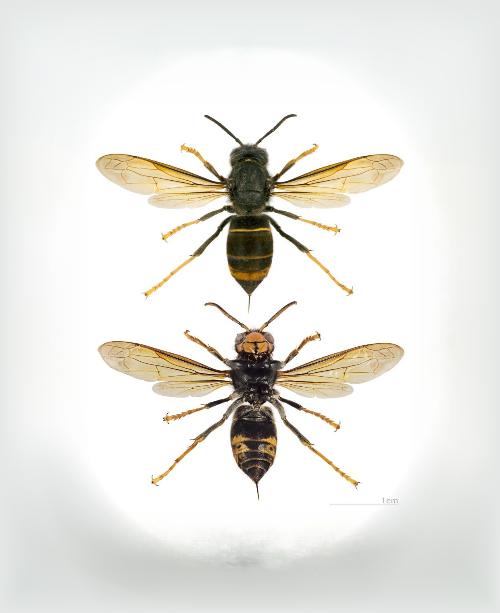
- Wasp
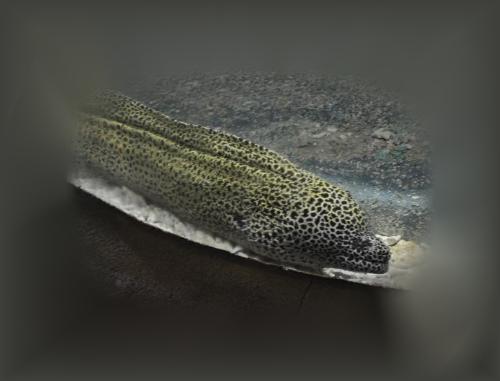
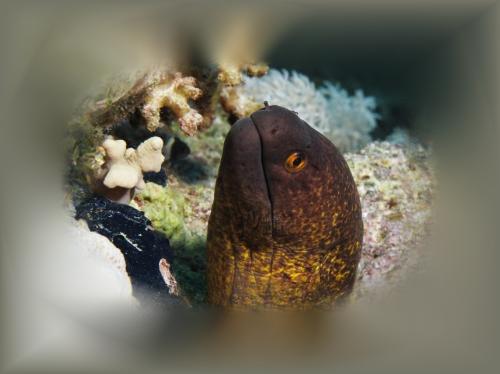
- laced moray
- eel
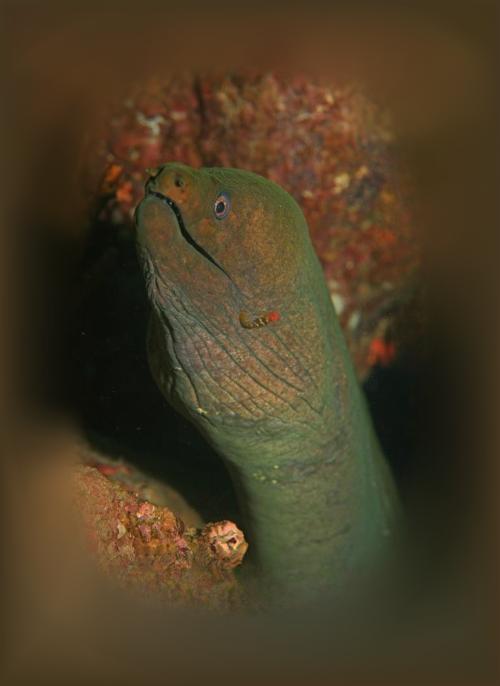
- dark moray
- giant moray
- congo
- freshwater moray
- greek
- sharktooth moray
- conger
- bastard eel
- chestnut moray
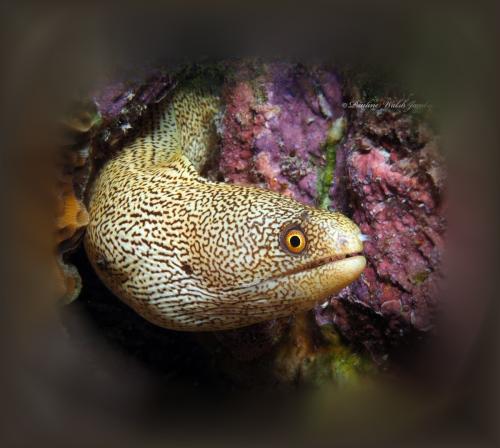
- honeycomb moray
- undulated moray
- speckled moray
- blackedge moray
- polygon moray
- Rüppell's moray
- blacktail moray
- hepatic moray
- Yellow-edged moray
- Black widow
- African Owl
- Lesser Cuckoo
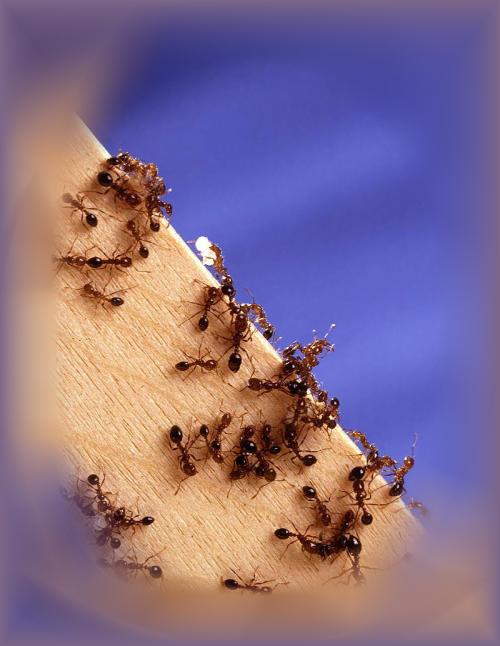
- Fire ant
- pygmy hippopotamus
- Jameson's mamba
- western green mamba
- green mamba
- Lion
Traits and their opposites
Each trait of this archetype — and what is opposite to it.
- Simplicity ↔ Sophistication
Find your most suitable archetypes
Archetypes are facets of personality and behaviour: sometimes a hamster, sometimes a lion. Take a test for yourself, a friend or a pet.