

















The “Oriental Toad” archetype
Cultural context
In Russian folk belief the toad is a creature of thresholds. It lives under porches and in cellars, close to the damp ground where hidden things are kept, and stories tie it to transformation and to magic that works quietly. Chinese tradition sees in it skill and concealed power, a patient keeper of knowledge. Europe could not decide: in one tale the toad is cursed, in the next it is wise, with a wisdom that sits below the surface of ordinary bustle. In all three it is the figure who outlasts difficulty. It does not charge ahead. It stores up strength, waits out the bad season, and exerts an influence nobody notices until it is gone. As an archetype the American toad inherits that old reputation: an ordinary-looking creature whose steadiness is the whole secret.
Scales
Seen through the traditions that honor it, the American toad is modest, loyal, and slow in the best sense of the word. It does not need to be the centre of anything. What it needs is its own ground, and it is fiercely self-sufficient about that: it asks for little, solves its own problems, and keeps going. Its vitality is the stuff of folk stories, an animal stepped on, shut out, and blamed for everything, which simply shakes itself off and walks on.
Custom runs deep in it. The toad keeps the old ways because they work, and it feels the pull of whatever was handed down. It will give up its own comfort for others without announcing it; help arrives as a chore quietly done or a seat quietly yielded. Duty sits easily on its back. It likes things tidy, finished, and on time, and it feels that certain places, objects, and days are set apart and must be handled with care.
Socially it is reserved. A crowd drains it; one patient friend restores it. Behind that reserve sits a gentle sensitivity to other people's moods, a love of warmth, food, touch, and the comfort of a body at rest, and a long view of time: it thinks in seasons and generations, not weeks. Its interest in a partner is real, though it shows it slowly.
Some things simply do not engage it. It has little appetite for beauty as such, for play, or for rank; it wears no badge and wants none. Its judgments can be quick and shallow, and only now and then does it dig in against the pressure of a group. Honest and unassuming, tolerant by habit, it will rarely start a fight.
Core traits
At heart this toad is self-reliant and hard to wear down. Independence and physical endurance come first. Behind them stand loyalty to custom, a readiness to serve at its own expense, and a taste for discipline and order. It values fairness, modesty, and plain honesty. Reserved on the surface, it still feels deeply for others and keeps one eye on the spiritual side of things, a sense of meaning that does not need an audience. It also stays in touch with its body and its pleasures, a quiet harmony between idea and flesh that keeps it level when life gets rough.
How to be around
How should you treat an American toad? Start by noticing the steadiness: this is someone who asks for nothing and still turns up on the bad day. Help them keep their routines and their order, and stay out of the closed rooms they have not invited you into. Their sensual and spiritual sides come out by themselves when the atmosphere stays calm, so keep it that way.
With a woman
Watch a woman-toad for a week and you will see how much she quietly absorbs: other people's errands, the unpaid chores, the late shift. Take one of those off her hands without being asked, and say plainly that you noticed, without ceremony. She deflects praise, so make it specific and short. Never bring up an old failure or an old injustice; it goes straight back into the vault. Her loyalty, once earned, outlasts almost everything.
With a man
A man-toad likes to see a job finished properly, and he takes pride in it without saying so. Notice the straight shelf, the report handed in on time, the engine that finally runs, and mention it in one sentence. Invite him into a project that has a plan and a sequence, because order is what he enjoys most. Chaos with a deadline is what exhausts him.
With a teenage boy
Treat a boy-toad in his teens as someone with a private workshop in his head, and knock before you enter. Ask about the thing he is building or fixing, not about how he feels, and let him answer in three words if he likes. Teasing him for being too serious or too tidy is a mistake, because that seriousness is armor. Give him a real responsibility and then truly step aside.
With a teenage girl
A girl-toad in her teens wants to be trusted with the whole task, not a piece of it. Ask how she would do it, then let her do it that way, even if you would have chosen differently. Praise the outcome rather than the effort on display. If she carries a burden nobody noticed, name it once, plainly, and leave the matter in her hands.
With a child
Take a child-toad outside. He learns through his hands and skin: wet grass, warm stones, the weight of a snail shell. Sit beside him and say little. Let him line up his pebbles or toys in his own order, since that tidying is how he calms himself. If he goes quiet after a loud day, a blanket and a dim room work better than any question.
With an animal
An animal-toad takes comfort in a fixed corner. Provide a damp, shadowed hiding place, a flowerpot on its side or a heap of moss, and leave it where it is. Come by at the same hour, talk low, and let the creature see your hands before they reach it. Over weeks it learns that you belong to the permanent furniture, and it stops fleeing.
After a quarrel
To quarrel with an American toad or get under its skin, break its order and keep breaking it. Rearrange the shelves, miss the agreed hour, pour noise into the house. The woman-toad snaps when old grievances are hauled out to be judged again. The man-toad cannot stand a nagging commentary on how he does his work. The teenage boy-toad turns to stone when his privacy is pried open with jokes. The teenage girl-toad bristles at being ordered about in her own affairs. The child-toad shuts down when every step is checked, and the animal-toad hides at the first sudden clatter.
How to befriend
To befriend one of these toads and win it over, be dependable first and charming never. Turn up when you said you would. A woman-toad opens up over a long shared task, where the work does the talking. A man-toad warms to a partner in a build or a repair. A teenage boy-toad will sit near you in comfortable silence for months and then suddenly confide. A teenage girl-toad likes an ally who hands her the plan and the pencil. A child-toad answers a patient companion on a garden walk, and an animal-toad, in time, treats your footsteps as part of its day.
Similar archetypes
Close facets: images with a similar set of qualities.
- Spotted salamander
- Chinese giant salamander
- Matamata
- Kiwi
- Green sea turtle
- Tuatara
- Pacific oyster
- Giant Clam
Complete opposite
The opposite facet: images whose qualities point the other way.
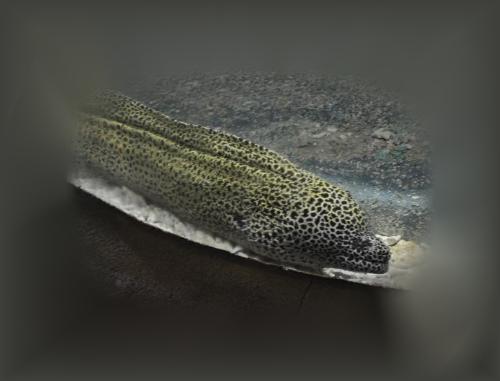
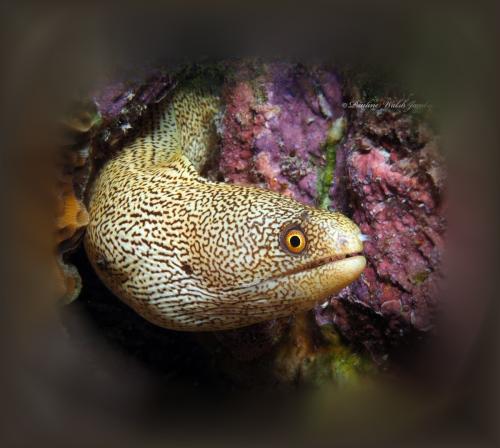
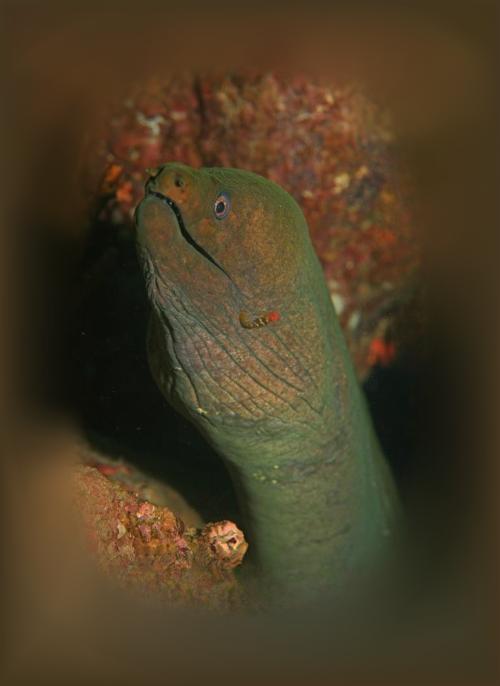
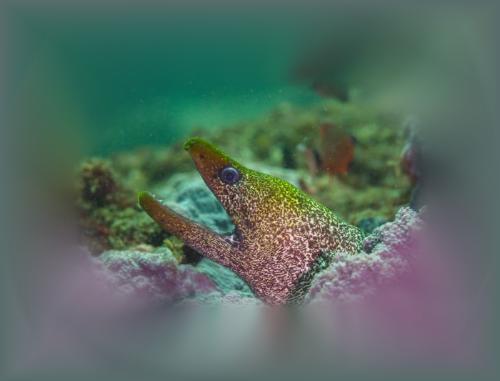
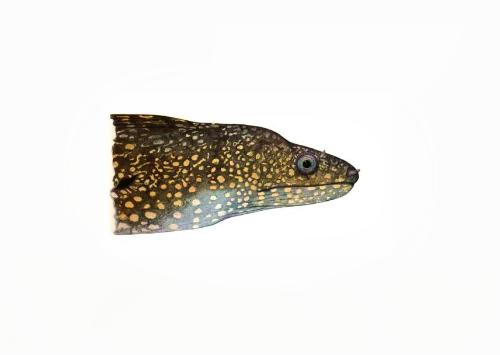
- laced moray
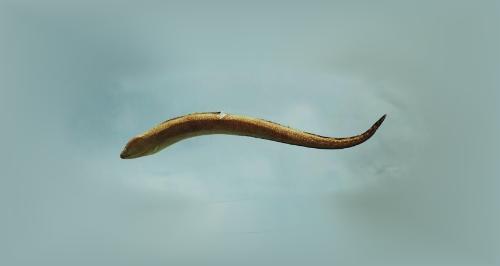
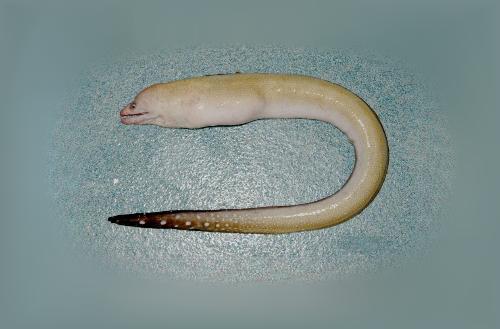
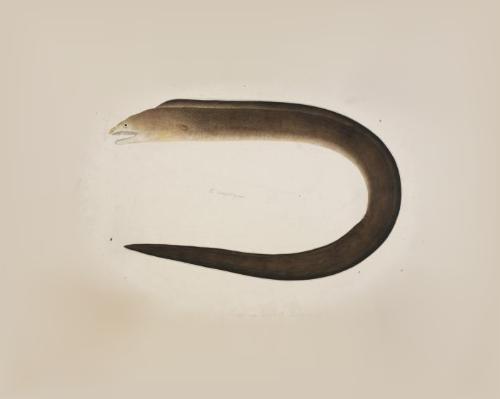
- eel
- dark moray
- giant moray
- congo
- freshwater moray
- greek
- sharktooth moray
- conger
- bastard eel
- chestnut moray
- honeycomb moray
- undulated moray
- speckled moray
- blackedge moray
- polygon moray
- Rüppell's moray
- blacktail moray
- hepatic moray
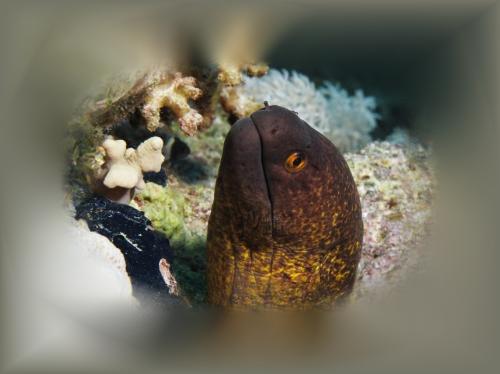
- Yellow-edged moray
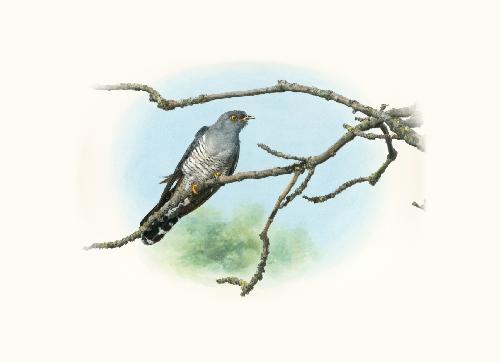
- European Cuckoo
- Human Flea
- Dog Flea
- Oriental Rat Flea
- Hen Flea
- Northern Rat Flea
- chigoe flea
- Hedgehog Flea
- new zealand bat flea
- Martin Flea
Traits and their opposites
Each trait of this archetype — and what is opposite to it.
- Resilience ↔ Fragility
Find your most suitable archetypes
Archetypes are facets of personality and behaviour: sometimes a hamster, sometimes a lion. Take a test for yourself, a friend or a pet.