







The “Matamata” archetype
Cultural context
In the slow-moving rivers of the Amazon basin the mata-mata lies beneath fallen branches, its body flattened like a water-logged leaf. Local fishermen and river dwellers know this creature not for speed or show but for the patient watch it keeps, motionless until the moment to strike arrives. Its stillness has shaped stories of endurance: a being that waits through flood and drought, trusting time more than force, content to vanish into silt and shadow rather than announce its presence.
Scales
Tradition paints the mata-mata with the colours of solitude and lasting order. It stands apart, shaping its days by its own measure rather than the current of the school. Discipline runs through every choice it makes, an inward compass that keeps it steady when waters rise or recede. The body it inhabits is never far from its thoughts; every ridge and fold feels the river’s touch. A sense of the sacred clings to its hidden movements, as though the act of disappearing itself carries weight. It seldom seeks the crowd, preferring the long view, the deep current, the measured return to the same stretch of bank.
Core traits
Independence threads every motion of the mata-mata. It chooses its resting place without counsel, rises only when the moment suits its own rhythm, and meets the river’s changes with a calm that needs no witness. That same self-reliance can leave it circling the same bend for seasons, deaf to the smaller warnings that other fish bring. Yet its solitude never feels like lack; it is the steady weight of a creature that has learned to carry its own current.
Strong traits
The mata-mata’s gift for imitation lies in the ragged fringe along its jaw, a living net that stirs like worms and draws prey within reach. It matches the riverbed’s colour so exactly that a drifting leaf may land on its shell without a ripple of alarm. Calm rides beneath that disguise, a stillness that outlasts the sudden panic of minnows or the rush of a passing boat. Water is its true element; it sinks, adjusts, finds a new angle of approach, and returns to the surface only when the need is its own.
Noticeable traits
A diver by habit, the mata-mata lingers at the river’s deepest seams, reading the slow drift of sediment for signs of hidden life. It will hold position until every current has been measured, sometimes missing the quick dart of a surface insect in its focus on the darker layers. Secrecy wraps this patience; it never betrays its chosen hollow with bubbles or broken twigs, leaving the bank as unmarked as when it arrived.
How to be around
To move beside the mata-mata, approach its rhythm rather than your own. Offer no sudden gestures; let the silence stretch until it settles again, and wait for the small tilt of its head that signals acceptance.
With a woman
A woman who carries the mata-mata’s temper will weigh every invitation twice before answering, measuring the cost to her own quiet hours. Leave her the last word on timing; she will set the table or the meeting only when the light feels right. Notice the single clean line she draws through a crowded room, the way her gaze lingers on a plain clay cup rather than the loud bouquet beside it. Her strength shows in the way she lifts a heavy crate without comment, then steps back before anyone offers help she did not ask for.
With a man
A man shaped like the mata-mata will match the tone of whatever group he enters, then quietly rearrange the tools so the work flows without extra talk. He keeps his promises even when the schedule shifts, and he will carry an extra load rather than ask the team to slow down. If a decision feels unjust he says so once, plainly, then lets the matter rest. His modesty shows in the small correction he offers only after the task is finished and the others have already claimed their share of credit.
With a teenage boy
A teenage boy with this stillness will sit on the lowest branch of a tree long after the game has ended, feeling the bark against his palms while the others shout below. He answers questions about feelings with a single slow nod, then returns to tracing the grain of wood. When a friend stumbles he offers a hand without a word, and when the same friend tries to thank him he looks away, already watching the next leaf drift past.
With a teenage girl
A teenage girl of this temper will slip into the back of the classroom and rearrange her notes until the margins line up exactly, letting the lesson wash over her until the part that matters surfaces. She keeps an old river-stone in her pocket, turning it when voices grow too loud. She rarely joins the rush for new trends, yet when the group finally tires she is still there, sorting the scattered pages no one else remembered to collect.
With a child
A child who moves like the mata-mata will kneel beside a puddle for an hour, counting the tiny stones that settle at the bottom while the other children race past. He may forget to answer when his name is called, not from defiance but because the pattern of ripples still holds his attention. When the class lines up he stays at the end, content to watch the door close last, already planning where the next quiet corner might appear.
With an animal
An animal with this nature will choose the darkest corner of the tank and remain there until every new sound has been catalogued. It will accept food only after the hand has withdrawn, and it will circle the same route each evening, mapping the glass as if the route itself were a secret contract. When the room finally grows still it rises, slow as dusk, to accept the single stroke along its shell that it now permits.
After a quarrel
Friction with the mata-mata begins when its private order is treated as public property. A woman will withdraw further if her carefully arranged workspace is rearranged without consent. A man will go silent if his measured plan is overridden in the middle of its unfolding. A teenage boy stiffens when laughter breaks the hush he needs to finish a drawing. A teenage girl turns away if her private notebook is opened before she offers it. A child freezes when a toy is snatched while its arrangement is still being tested. An animal retreats to the farthest glass when its resting ledge is lifted without warning.
How to befriend
Friendship forms when the mata-mata’s pace is honoured rather than hurried. A woman draws closer if you remember the exact shade of thread she once mentioned for mending. A man stays present if you leave the last tool exactly where his hand last placed it. A teenage boy returns if you sit beside him on the low branch without asking what he is watching. A teenage girl trusts when you hand back her river-stone without comment on its weight. A child lingers if you place the next stone in the puddle only after he has counted the first row. An animal accepts the evening circuit when you wait until it has finished its round before offering the single, allowed touch.
Similar archetypes
Close facets: images with a similar set of qualities.
- Ball python
- Tuatara
- Spotted salamander
- Armadillo
- Nautilus
- Oriental Toad
- Chinese giant salamander
- Green sea turtle
Complete opposite
The opposite facet: images whose qualities point the other way.
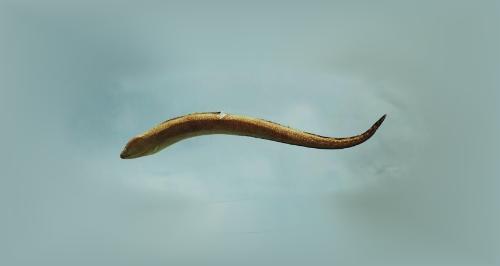
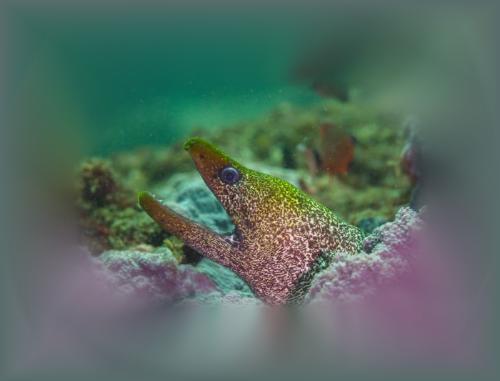
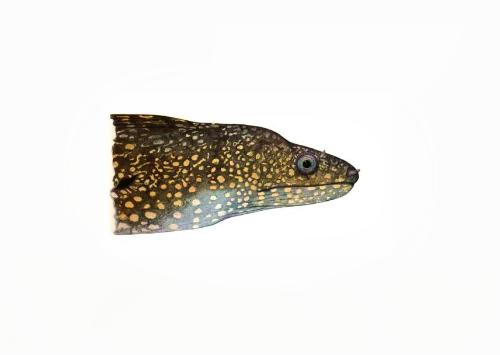
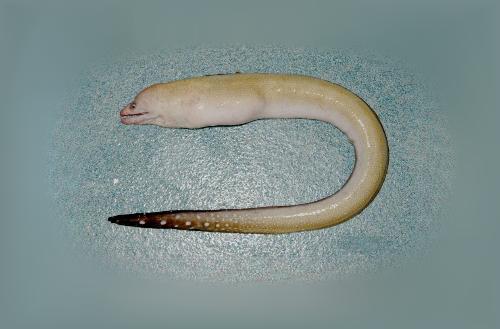
- Turkey
- laced moray
- eel
- dark moray
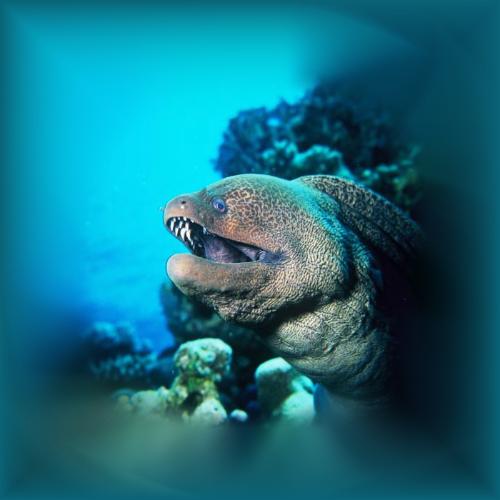
- giant moray
- congo
- freshwater moray
- greek
- sharktooth moray
- conger
- bastard eel
- chestnut moray
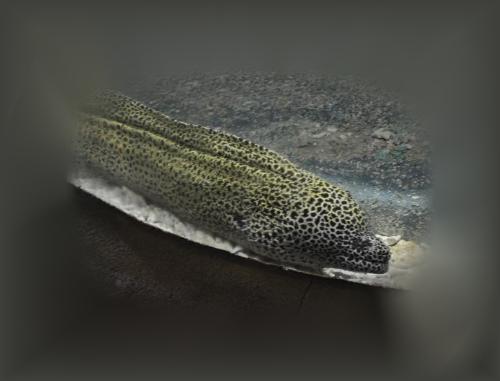
- honeycomb moray
- undulated moray
- speckled moray
- blackedge moray
- polygon moray
- Rüppell's moray
- blacktail moray
- hepatic moray
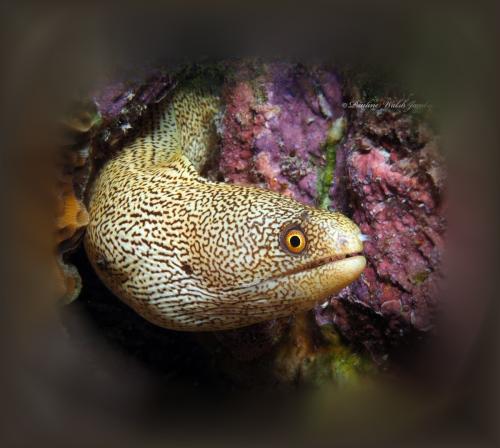
- Yellow-edged moray
- black-crowned night heron
Find your most suitable archetypes
Archetypes are facets of personality and behaviour: sometimes a hamster, sometimes a lion. Take a test for yourself, a friend or a pet.