

















The “Mussel” archetype
Cultural context
European sailors once heard the click of thousands of shells when the tide turned, a sound like a choir of small hammers tapping stone. In Japanese nets the same dark shells are laid side by side, each one keeping its neighbor from drifting away. Across both shores the mussel stands for the strength that stays when the waves roll in, a dark bead of calm that refuses to be washed loose. Fishermen still tell of whole beds sliding down a rock face only to hold fast again, their grip turning danger into shelter for every small life around them. The story is never about one glittering pearl, but about the steady press of bodies keeping the colony intact.
Scales
In these traditions the mussel is read through endurance rather than flash. It values the slow build that outlasts storms and the careful handing-on of place from season to season. Order appears in the neat rows of its bed, and any move toward the unknown is checked against the weight of what already holds. It shows little hunger for rank, yet the simple fact of its presence steadies the patch of rock it claims. When new water arrives it bends rather than breaks, but the bend is measured, never reckless. Its quiet keeps the colony safe long after brighter colors have drifted elsewhere.
Core traits
Harmony sits at the center of the mussel’s life. When the water grows rough it does not argue with the current; instead it settles each neighbor into a tighter fit until the whole bed feels like one living stone. The same instinct that stops two shells from clashing also keeps the colony from drifting into useless gaps. Every closed valve becomes a small promise that tomorrow will still find the bed exactly where it was left, its surface smooth and its order untouched.
Strong traits
The mussel answers the calendar with its own inner clock. When the water warms it opens wider and lets the tide bring fresh food; when cold returns it draws tight and waits. After a storm it rights itself without complaint, finding again the crack it once held. It slips through the shifting layers of tide and temperature the way a diver follows a single thread of current into deeper light. Each change is met, each loss turned into another layer of shell, yet the rhythm stays its own.
Noticeable traits
The bed grows thicker because each mussel leaves room for the next. When danger passes they still lie close, sharing the slight warmth that lingers between valves. At the same time the colony keeps a hidden store of strength inside every shell, a reserve that survives the months when the water runs thin. No single mussel claims more space than it needs, yet none willingly gives its portion away.
How to be around
Approach the mussel’s rhythm rather than trying to change it, the way a tide quietly learns the curve of a hidden inlet before it carries anything farther inland. Offer steady company and let the day’s pattern settle around both of you like warm sand filling every hollow left by yesterday’s footprints, the faint salt tang still rising from the shells, before any new suggestion is made.
With a woman
A woman who carries the mussel’s temper will weigh every word against the quiet of the room. She may wait until the air feels safe before she speaks, and any sudden demand can make her close as surely as a shell meeting a shadow. When she spends her own ease to keep others comfortable, the best reply is to notice the cost without asking her to name it. Leave certain questions untouched until she brings them forward; the things she guards feel almost holy to her, and pressing them only drives the valves tighter.
With a man
A man who moves like the mussel follows the month’s turn more closely than any clock. He works best when the light and the water agree with him, and pushing against that grain only leaves him still. He keeps the order of the day the way a tide keeps the line on the sand, and any playful interruption must arrive gently or not at all. When his strength runs low he rests without apology, and the room grows calmer simply because he has stopped moving.
With a teenage boy
A teenage boy with the mussel’s core will test the same stretch of rock again and again until it feels like home. He may stay long after the lesson is done, tracing the same groove with his finger because tomorrow still needs that mark. He rarely asks for notice, and any praise should land lightly, like a hand set down and then lifted. The customs he keeps are small and old, yet breaking one without warning can leave him silent for days.
With a teenage girl
A teenage girl who follows the mussel’s way will drift with the talk around her until she finds the deeper current. She senses when the group needs her silence more than her voice, and she slips between moods the way water finds a new channel. Any talk of closeness must come from her first; she will not be hurried toward a shore she has not chosen. She keeps her questions about meaning to herself until the hour feels right, and when she finally speaks the words are already polished smooth.
With a child
A child who holds the mussel’s patience will study a single pebble long after the others have moved on. They count the ridges, test the weight, and only then decide where it belongs. They like rules that stay the same from morning to night, and they notice when someone moves a toy without asking. They will share what they have, yet they watch closely to see that the giving stays fair.
With an animal
An animal that lives by the mussel’s code stays close to its own kind even when the tank is large. It moves with the group rather than ahead of it, and it rests when the others rest. Its body keeps a quiet record of every hand that has fed it, and it will lean into the palm that remembers yesterday’s rhythm. Sudden noise makes it draw inward, yet a steady voice can bring it forward again without force.
After a quarrel
The mussel rarely opens its shell to argue; instead it thickens the layer between itself and the trouble. A woman will answer an unwanted question with a silence that lasts until the asker grows tired of waiting. A man will simply turn the same task over in his hands until the challenger walks away. A teenage boy will keep returning to the same corner of the room, each circuit a refusal to be moved. A teenage girl will let the conversation drift until her part of it has vanished. A child will clutch a single toy so tightly that no one else can reach it. An animal will press itself against the glass where no hand can follow.
How to befriend
To earn a place beside the mussel, arrive at the same hour each day and speak only when the water is still. A woman will notice the steadiness before she answers; a man will match his pace to yours without being asked. A teenage boy will leave a small space on the bench if he trusts you will keep it. A teenage girl will test you with one quiet remark and wait to see whether you add to it or break it. A child will hand you the pebble they have already chosen. An animal will rest its shell against your palm once the room has learned your breathing.
Similar archetypes
Close facets: images with a similar set of qualities.
- Pacific oyster
- brown lipped snail
- Achatina
- Pearl oyster
- Giant Clam
- Oriental Toad
- Spotted salamander
- Apple snail
Complete opposite
The opposite facet: images whose qualities point the other way.
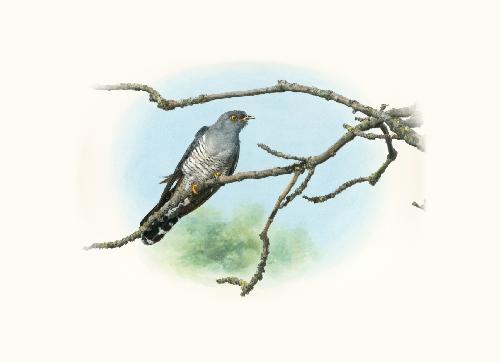
- European Cuckoo
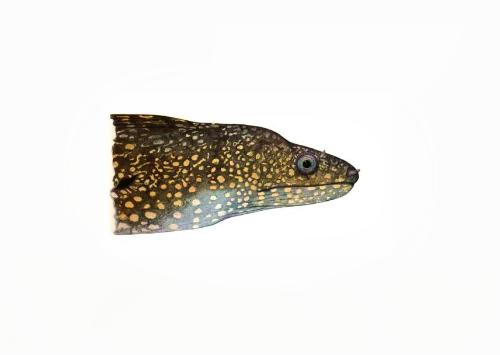
- laced moray
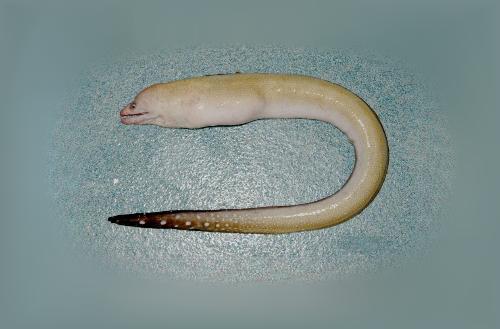
- eel
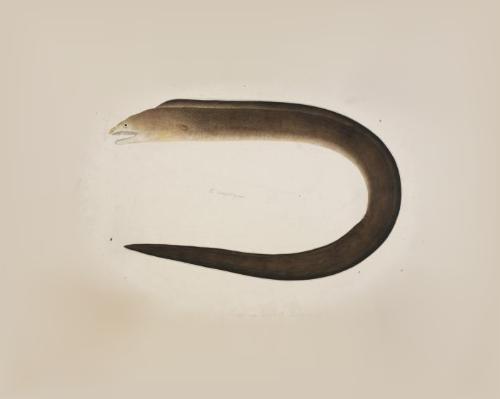
- dark moray
- giant moray
- congo
- freshwater moray
- greek
- sharktooth moray
- conger
- bastard eel
- chestnut moray
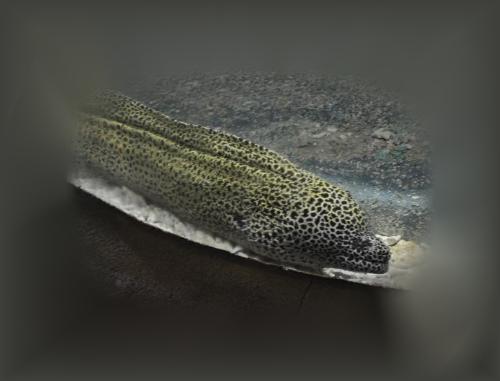
- honeycomb moray
- undulated moray
- speckled moray
- blackedge moray
- polygon moray
- Rüppell's moray
- blacktail moray
- hepatic moray
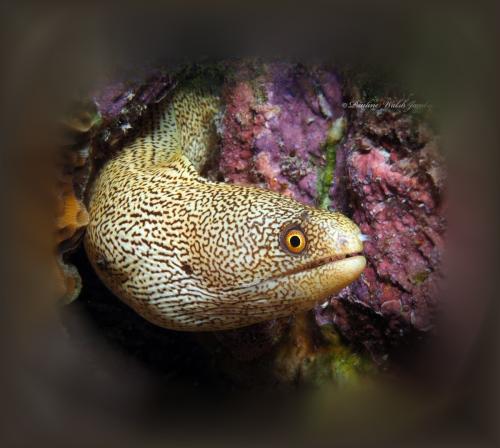
- Yellow-edged moray
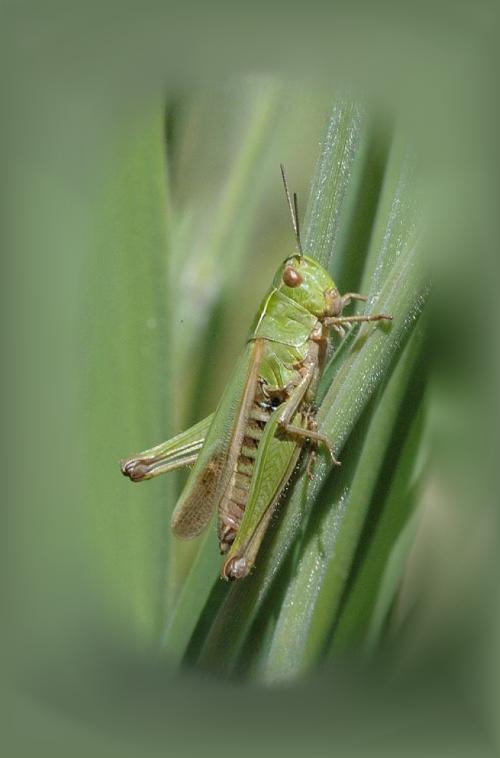
- common green grasshopper
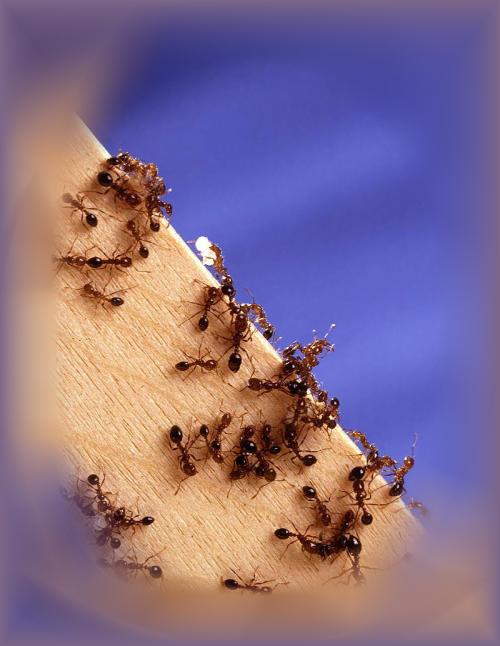
- Fire ant
- Lesser Cuckoo
- Black widow
- Human Flea
- Dog Flea
- Oriental Rat Flea
- Hen Flea
- Northern Rat Flea
Find your most suitable archetypes
Archetypes are facets of personality and behaviour: sometimes a hamster, sometimes a lion. Take a test for yourself, a friend or a pet.